2025 Federal Product Safety: Proactive Recall Strategy
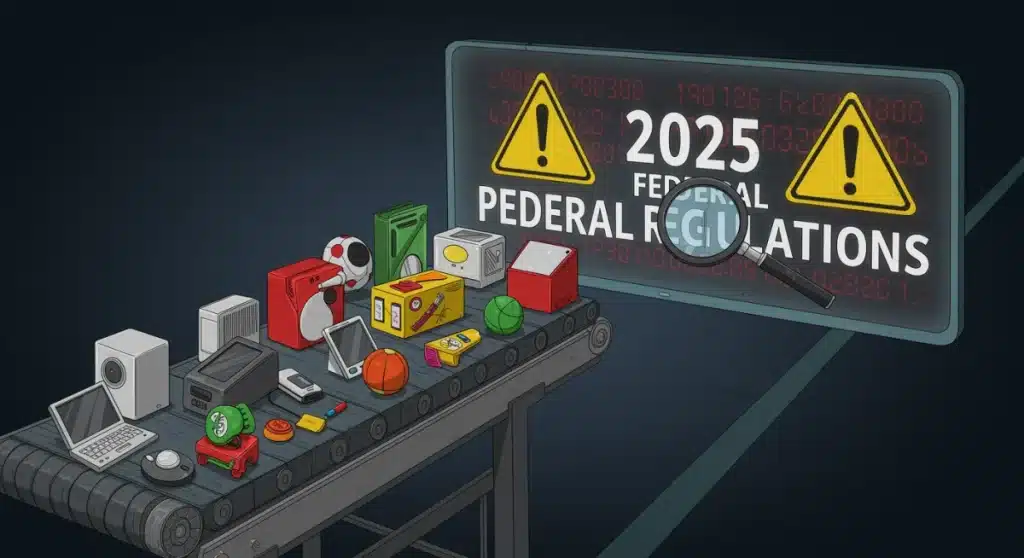
Navigating the 2025 federal regulations on product safety and recalls demands a proactive risk mitigation strategy, essential for businesses to ensure compliance, protect consumers, and safeguard their brand reputation in the evolving regulatory landscape.
The landscape of consumer product safety is continuously evolving, and businesses operating in the United States are bracing for significant changes with the impending Navigating the 2025 Federal Regulations on Product Safety and Recalls: A Proactive Risk Mitigation Strategy. These updated federal mandates are not merely minor adjustments; they represent a comprehensive overhaul designed to enhance consumer protection and streamline recall processes. Understanding and implementing a robust strategy now is paramount for any company aiming to maintain compliance, mitigate potential risks, and uphold their reputation in an increasingly scrutinized market.
Understanding the new regulatory environment for 2025
The year 2025 is poised to usher in a new era for product safety and recall regulations. These forthcoming federal regulations are designed to close existing loopholes, broaden the scope of covered products, and impose stricter accountability on manufacturers, distributors, and retailers. Businesses must shift their focus from reactive measures to proactive strategies to avoid penalties and safeguard consumer trust.
Key legislative drivers and their impact
Several legislative actions and amendments are converging to shape the 2025 regulatory framework. These include updates to existing acts and potentially new legislation addressing emerging product categories and technologies. The overarching goal is to standardize safety requirements across various industries and provide clearer guidelines for product development and market entry.
- Enhanced data reporting: New requirements for more detailed and timely data submission regarding product incidents and consumer complaints.
- Broader definition of ‘defect’: The interpretation of what constitutes a product defect is expanding, encompassing design flaws, manufacturing errors, and inadequate warnings.
- Increased penalties: Fines for non-compliance and delayed recall actions are expected to rise significantly, creating a stronger deterrent.
- Supply chain transparency: Greater emphasis on accountability throughout the entire supply chain, from raw material sourcing to final product distribution.
The implications of these changes are far-reaching. Companies that fail to adapt will face not only financial repercussions but also severe damage to their brand image. A clear understanding of these legislative drivers is the first step toward developing an effective compliance strategy, ensuring that all aspects of product development and distribution align with the new federal mandates.
Developing a robust product safety compliance framework
Establishing a comprehensive product safety compliance framework is no longer optional; it is a fundamental requirement for operating in the modern retail landscape. This framework should integrate safety considerations into every stage of the product lifecycle, from initial design to post-market surveillance. A well-designed framework ensures continuous adherence to regulations and enables swift responses to potential issues.
Integrating safety into product design and manufacturing
Safety must be a core principle from the very outset of product development. This involves conducting thorough risk assessments during the design phase, utilizing safe materials, and implementing rigorous quality control measures throughout manufacturing. Early identification and mitigation of hazards can prevent costly recalls down the line.
- Design for safety (DfS): Incorporating safety features and considerations early in the product design process.
- Material compliance: Ensuring all components and materials meet federal and international safety standards.
- Manufacturing process controls: Implementing strict quality checks and process validations to minimize production defects.
- Third-party testing and certification: Utilizing accredited laboratories to verify product safety and compliance before market release.
Beyond design and manufacturing, companies need to foster a culture of safety. This means regular training for employees, clear communication channels for reporting potential issues, and a commitment from leadership to prioritize product safety above all else. A proactive approach to compliance not only meets regulatory demands but also builds consumer confidence and loyalty.
Proactive recall planning and execution strategies
Despite the best intentions and most rigorous safety protocols, product recalls can still occur. The key is to be prepared. A well-defined and regularly tested recall plan can significantly reduce the impact of a recall, protecting consumers and preserving brand reputation. This involves clear communication, efficient logistics, and a strong understanding of regulatory expectations.
Establishing a dedicated recall team and communication protocols
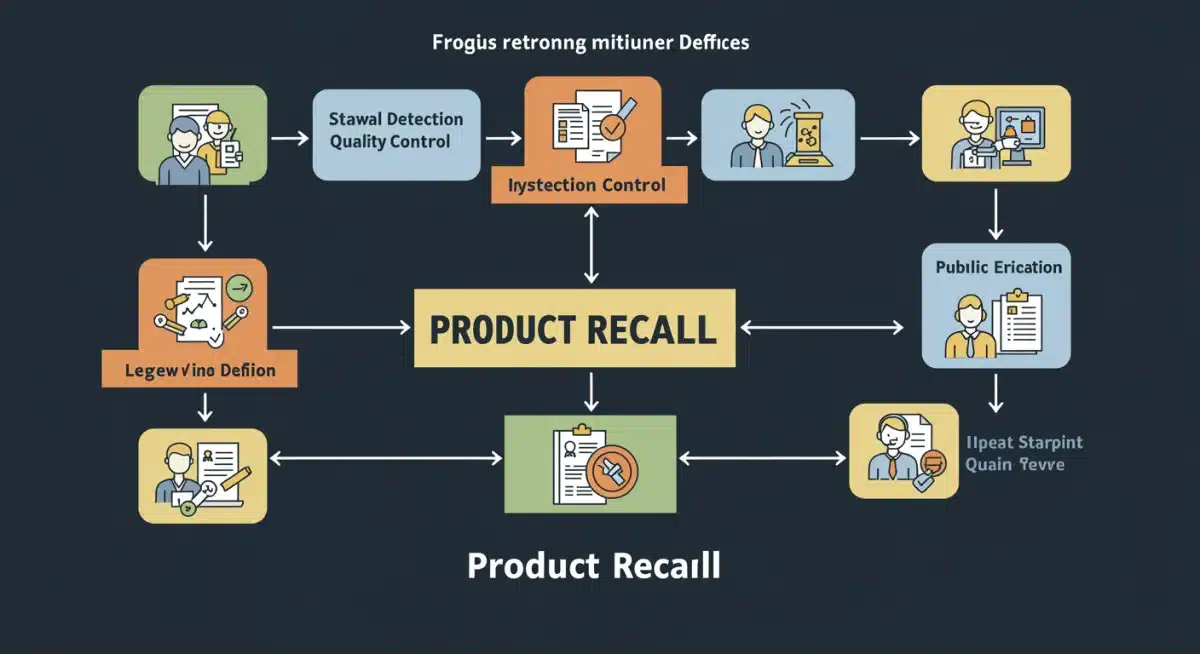
A successful recall hinges on swift and coordinated action. This requires a dedicated team with clearly defined roles and responsibilities, alongside robust communication protocols. The team should include representatives from legal, quality assurance, public relations, customer service, and logistics, ensuring all critical areas are covered.
- Designated recall coordinator: A single point of contact responsible for overseeing the entire recall process.
- Pre-approved communication templates: Ready-to-use statements for consumers, regulators, and media to ensure consistent messaging.
- Multi-channel communication strategy: Utilizing various platforms (website, social media, direct mail, press releases) to reach affected consumers effectively.
- Regulatory liaison: A designated individual or team to manage all interactions and reporting requirements with federal agencies.
Effective communication is paramount during a recall. Transparency and honesty with consumers build trust, even in challenging situations. Companies must be prepared to address concerns, provide clear instructions for returning or repairing products, and offer appropriate remedies. A well-executed recall can turn a potential crisis into an opportunity to demonstrate corporate responsibility.
Leveraging technology for enhanced risk mitigation
In today’s interconnected world, technology offers powerful tools for enhancing product safety and streamlining recall processes. From advanced data analytics to supply chain visibility platforms, technological solutions can provide invaluable insights and improve responsiveness. Embracing these innovations is crucial for companies seeking to gain a competitive edge in compliance.
Utilizing data analytics and AI for early warning systems
The ability to identify potential product issues before they escalate into widespread problems is a significant advantage. Data analytics and artificial intelligence can process vast amounts of information from various sources, including consumer feedback, warranty claims, and social media, to detect patterns and anomalies indicative of emerging safety concerns.
- Predictive analytics: Forecasting potential failure points or safety risks based on historical data and product usage patterns.
- Real-time monitoring: Tracking product performance and consumer sentiment in real-time to identify sudden spikes in complaints or incidents.
- AI-driven anomaly detection: Automatically flagging unusual data points that might indicate a manufacturing defect or design flaw.
- Automated reporting: Generating compliance reports and alerts automatically, reducing manual effort and improving accuracy.
Beyond early warning systems, technology also plays a vital role in managing the recall process itself. Digital platforms can facilitate communication with affected consumers, track returned products, and manage remediation efforts more efficiently. Investing in these technological solutions is a strategic move that can significantly strengthen a company’s risk mitigation capabilities and ensure compliance with the 2025 federal regulations.
Supply chain due diligence and vendor management
The complexity of global supply chains means that a company’s product safety is often dependent on the practices of its suppliers and partners. The 2025 federal regulations place a greater emphasis on supply chain transparency and accountability, making robust due diligence and vendor management programs essential. Companies must ensure that every link in their supply chain adheres to the same high standards of safety and quality.
Implementing rigorous vendor assessment and monitoring
Selecting reliable suppliers is the first step, but continuous monitoring is equally important. This involves more than just checking certifications; it requires understanding a vendor’s quality control processes, conducting regular audits, and establishing clear contractual agreements that outline safety responsibilities and recall procedures. A proactive approach to vendor management can prevent issues from entering the supply chain in the first place.
- Supplier audits: Regular on-site inspections and reviews of supplier manufacturing facilities and quality systems.
- Contractual obligations: Including specific clauses in vendor agreements pertaining to product safety standards, testing requirements, and recall support.
- Performance metrics: Tracking supplier performance against key safety and quality indicators to identify potential risks.
- Traceability systems: Implementing systems that allow for the rapid tracing of components and materials back to their source in the event of a recall.
Furthermore, fostering strong relationships with suppliers built on trust and open communication is crucial. When issues arise, a collaborative approach to problem-solving is far more effective than an adversarial one. By extending product safety vigilance across the entire supply chain, companies can significantly reduce their exposure to risks and ensure compliance with the evolving regulatory landscape.
The role of consumer education and engagement
Consumer education is an often-overlooked but critical component of a comprehensive product safety strategy. Empowering consumers with information about safe product use, potential hazards, and how to report concerns can significantly reduce incidents and enhance overall safety. Engaged consumers are also more likely to participate in recalls, making the process more effective.
Strategies for clear and accessible safety information
Providing clear, concise, and easily accessible safety information is paramount. This goes beyond simply including a warning label; it involves designing user manuals that are easy to understand, utilizing visual aids where appropriate, and leveraging digital platforms to disseminate safety tips and updates. Companies should aim to make safety information as prominent and user-friendly as the product itself.
- Simplified instructions: Breaking down complex safety instructions into digestible steps and using clear language.
- Visual warnings: Employing universally recognized symbols and pictograms to highlight potential hazards.
- Digital safety resources: Creating dedicated sections on company websites or apps for safety information, FAQs, and contact details.
- Public awareness campaigns: Collaborating with consumer advocacy groups or regulatory bodies to promote broader safety awareness.
Engaging with consumers also involves listening to their feedback. Establishing clear channels for reporting product issues and actively responding to inquiries demonstrates a commitment to safety. By proactively educating and engaging consumers, businesses not only fulfill their ethical responsibilities but also build a stronger, more resilient brand image that resonates with a safety-conscious public in the era of 2025 federal regulations.
| Key Aspect | Description |
|---|---|
| Regulatory Changes | 2025 brings stricter federal mandates, broader defect definitions, and increased penalties for non-compliance. |
| Proactive Compliance | Integrate safety into product design, manufacturing, and supply chain management to prevent issues. |
| Recall Readiness | Establish dedicated recall teams, clear communication protocols, and leverage technology for efficient execution. |
| Technology Integration | Utilize data analytics, AI, and supply chain visibility tools for early risk detection and improved responsiveness. |
Frequently asked questions about 2025 product safety regulations
The 2025 regulations emphasize broader definitions of product defects, increased data reporting requirements, higher penalties for non-compliance, and greater accountability throughout the supply chain. These changes aim to enhance consumer protection significantly and streamline recall processes across industries.
Proactive preparation involves integrating safety into product design, establishing robust quality control, conducting thorough supply chain due diligence, and developing comprehensive recall plans. Investing in technology for risk detection and fostering a culture of safety are also crucial steps.
Technology, such as data analytics and AI, can create early warning systems by monitoring consumer feedback and warranty claims for anomalies. It also aids in efficient recall management by facilitating communication, tracking returns, and automating compliance reporting, enhancing overall responsiveness.
The new regulations place increased emphasis on accountability across the entire supply chain. Businesses must implement rigorous vendor assessment and monitoring programs, conduct regular audits, and ensure all suppliers adhere to strict safety standards to prevent issues from originating upstream.
Consumer education is vital for promoting safe product use and encouraging participation in recalls. Providing clear, accessible safety information through various channels empowers consumers, reduces incidents, and builds trust, making recall efforts more effective and demonstrating corporate responsibility.
Conclusion
The impending 2025 federal regulations on product safety and recalls represent a pivotal moment for businesses across the United States. Successfully navigating this new regulatory landscape demands a proactive, integrated, and continuous risk mitigation strategy. Companies that prioritize product safety from design to post-market surveillance, leverage technological advancements, ensure robust supply chain due diligence, and actively engage with consumers will not only achieve compliance but also strengthen their market position and foster invaluable consumer trust. The time to act decisively and strategically is now, transforming potential challenges into opportunities for growth and enhanced brand reputation.