Federal Sustainable Packaging Guidelines: Retailers Must Act by 2025
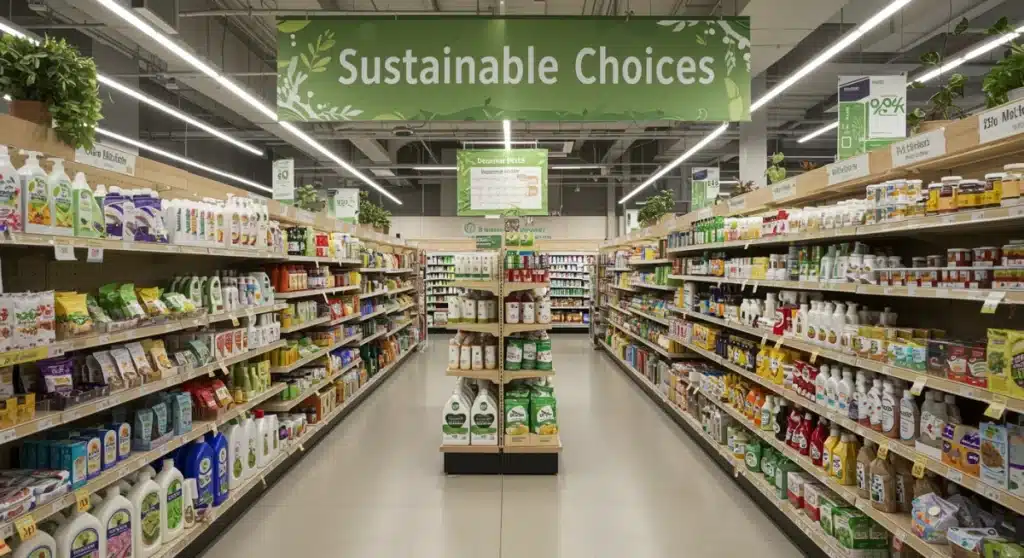
New federal guidelines on sustainable packaging mandate significant changes for US retailers by December 2025, focusing on material reduction, recyclability, and consumer education to foster a greener retail landscape.
The landscape of retail is undergoing a transformative shift, driven by increasing consumer demand for eco-friendly products and urgent environmental concerns. Against this backdrop, the New Federal Guidelines for Sustainable Packaging in Retail: What to Implement by December 2025 represent a monumental step towards a more sustainable future for the industry. Retailers across the United States are now faced with the critical task of understanding and integrating these comprehensive regulations, which are designed to significantly reduce packaging waste, promote circular economy principles, and minimize environmental impact. This article delves into the core components of these guidelines, providing actionable insights and strategies for achieving compliance before the impending deadline. Understanding these changes isn’t just about avoiding penalties; it’s about embracing innovation, enhancing brand reputation, and contributing to a healthier planet.
Understanding the Mandate: Why Sustainable Packaging Now?
The push for sustainable packaging is not a fleeting trend but a critical response to escalating environmental challenges. Federal guidelines reflect a broader societal recognition of packaging’s significant role in waste generation, resource depletion, and carbon emissions. These new regulations are designed to standardize efforts across the retail sector, ensuring a unified approach to environmental stewardship.
For decades, packaging has prioritized convenience and protection, often at the expense of environmental sustainability. The sheer volume of single-use plastics and non-recyclable materials has led to overflowing landfills and pervasive pollution. These federal guidelines aim to reverse this trend by establishing clear benchmarks for material choices, design principles, and end-of-life management.
The Environmental Imperative Driving Policy Changes
The urgency behind these guidelines stems from undeniable scientific evidence regarding climate change and ecosystem degradation. Governments worldwide, including the US federal government, are stepping up to implement policies that mitigate these impacts. Sustainable packaging is a tangible and immediate area where significant improvements can be made.
- Resource Conservation: Reducing reliance on virgin materials and promoting the use of recycled content.
- Waste Reduction: Minimizing the volume of packaging that ends up in landfills or polluting natural environments.
- Carbon Footprint: Lowering greenhouse gas emissions associated with packaging production, transport, and disposal.
- Ecosystem Protection: Preventing plastic pollution from harming marine life and terrestrial ecosystems.
Ultimately, these guidelines are a call to action for retailers to align their operational practices with global sustainability goals. It’s an opportunity to innovate, reduce costs in the long run through efficiency, and meet the growing ethical expectations of consumers.
Key Pillars of the Federal Sustainable Packaging Guidelines
The new federal guidelines are built upon several foundational principles, each designed to foster a more responsible and environmentally conscious packaging ecosystem within retail. Understanding these pillars is crucial for developing an effective compliance strategy.
These guidelines move beyond simple recycling, embracing a holistic view of packaging’s lifecycle from design to disposal. Retailers must consider not only the materials they use but also how those materials are sourced, manufactured, transported, and ultimately managed after consumer use.
Material Reduction and Optimization
A primary focus of the guidelines is on reducing the overall quantity of packaging material. This means encouraging innovative designs that use less material while maintaining product integrity and consumer appeal.
- Lightweighting: Designing packaging to be as light as possible without compromising protection.
- Right-sizing: Eliminating excessive void fill and ensuring packaging dimensions are proportional to the product.
- Eliminating Unnecessary Components: Removing redundant layers or elements that add no functional value.
This pillar also emphasizes optimizing material choices, prioritizing renewable, recycled, or rapidly biodegradable options. The goal is to shift away from materials with high environmental footprints towards those that are regenerative or benign.
Enhancing Recyclability and Compostability
The guidelines place significant emphasis on ensuring packaging materials are genuinely recyclable or compostable within existing infrastructure. This addresses the common issue of ‘wishcycling,’ where consumers attempt to recycle items that are not accepted by local facilities.
Retailers are encouraged to move towards mono-material packaging wherever possible, as mixed materials often complicate or prevent effective recycling. Clear labeling is also a critical component, helping consumers understand how to properly dispose of packaging.
Compostable packaging is presented as a viable alternative for certain product categories, particularly those with food waste, provided that industrial composting facilities are accessible and clearly communicated to consumers.
Promoting Post-Consumer Recycled (PCR) Content
To close the loop and support a circular economy, the guidelines strongly advocate for the incorporation of post-consumer recycled (PCR) content in new packaging. This creates demand for recycled materials, stimulating the recycling industry and reducing the need for virgin resources.
Specific targets or percentages for PCR content may be outlined for various material types, pushing manufacturers and retailers to prioritize its use. This not only benefits the environment but can also offer supply chain resilience and cost efficiencies over time.
Implementing PCR content requires careful sourcing and quality control to ensure that the recycled materials meet the necessary standards for safety and performance, especially for food-grade packaging.
Strategic Implementation for Retailers by December 2025
Meeting the December 2025 deadline requires a proactive and comprehensive strategy. Retailers cannot afford to wait; immediate action is necessary to assess current practices, identify areas for improvement, and implement sustainable changes across their supply chains.
The implementation process should involve multiple departments, from procurement and product development to marketing and operations. A siloed approach will likely lead to inefficiencies and missed opportunities for true transformation.
Conducting a Comprehensive Packaging Audit
The first step is to thoroughly audit all existing packaging. This involves cataloging every type of packaging used, its material composition, weight, volume, and current end-of-life pathway. This audit provides a baseline for measuring progress and identifying priority areas.
- Material Analysis: Identifying all virgin materials, plastics, and non-recyclable components.
- Lifecycle Assessment: Evaluating the environmental impact of each packaging type from raw material extraction to disposal.
- Supplier Engagement: Collaborating with packaging suppliers to understand their sustainable offerings and capabilities.
This audit should also include an assessment of secondary and tertiary packaging, such as shipping boxes and pallet wraps, as these also contribute significantly to the overall environmental footprint.
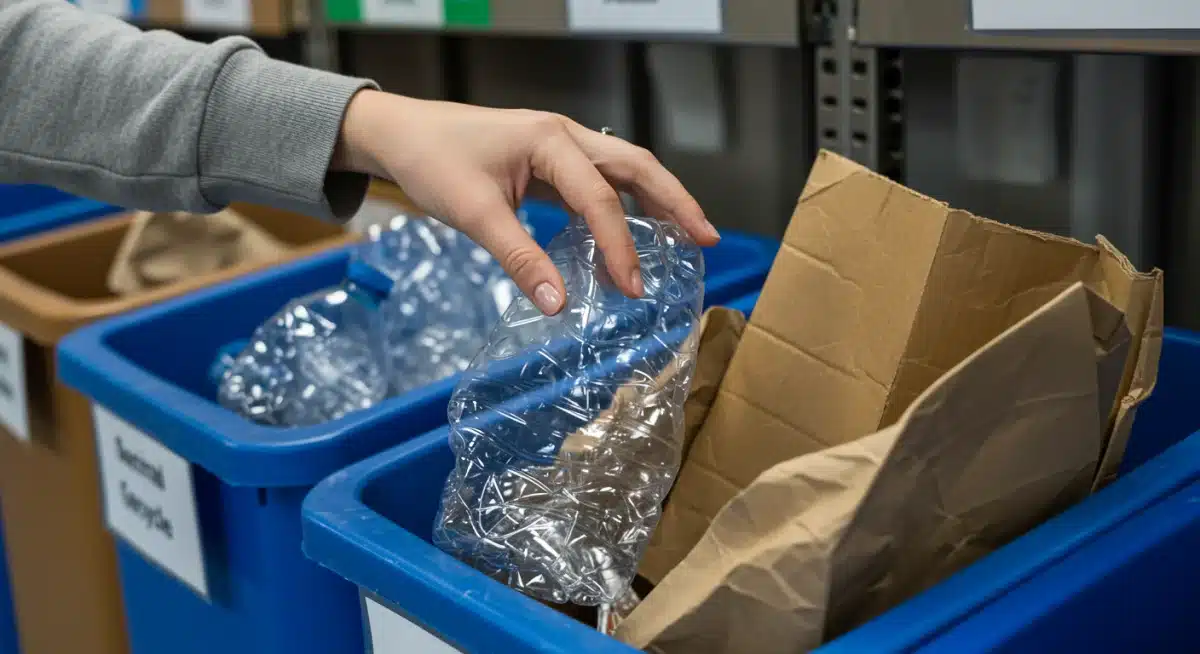
Once the audit is complete, retailers can develop a phased plan for transitioning to compliant packaging. This might involve piloting new materials, redesigning product lines, or investing in new packaging technologies.
Redesigning for Sustainability: Practical Steps
Packaging redesign is at the heart of achieving compliance. This isn’t just about swapping materials; it’s about rethinking the entire packaging function to be more efficient and environmentally friendly.
Consider the ‘5 Rs’ of sustainable packaging: Reduce, Reuse, Recycle, Renew, and Refuse. Each ‘R’ offers a pathway to innovation and compliance.
- Reduce: Can packaging be eliminated entirely for certain products, or significantly minimized?
- Reuse: Exploring refillable options, reusable containers, or returnable packaging systems.
- Recycle: Ensuring all new packaging is designed for easy and effective recycling.
- Renew: Prioritizing materials from sustainably managed renewable resources.
- Refuse: Actively avoiding materials known to be problematic or non-sustainable.
Engaging with packaging designers and material scientists can unlock creative solutions that meet both regulatory requirements and consumer expectations. This might involve exploring bio-based plastics, mushroom-based packaging, or innovative paperboard designs.
Navigating Supply Chain Adjustments and Vendor Partnerships
The shift to sustainable packaging is rarely an isolated effort; it requires deep collaboration throughout the supply chain. Retailers must work closely with their suppliers, manufacturers, and logistics partners to ensure a smooth transition and maintain product quality.
Building strong, transparent relationships with suppliers is paramount. This enables retailers to influence material sourcing, manufacturing processes, and even end-of-life management solutions.
Collaborating with Packaging Suppliers
Suppliers are key allies in this transformation. They often possess the expertise in new materials and sustainable manufacturing techniques. Retailers should actively seek out suppliers who are already aligned with sustainability goals or are willing to invest in developing compliant solutions.
- Joint Development: Partnering with suppliers to co-develop innovative sustainable packaging solutions.
- Certification Verification: Ensuring suppliers provide certifications for sustainable materials (e.g., FSC for paper, ISCC for bio-based plastics).
- Long-term Contracts: Establishing agreements that incentivize suppliers to invest in sustainable infrastructure and practices.
Open communication about future packaging needs and regulatory requirements will enable suppliers to adapt their offerings and ensure a reliable supply of sustainable materials.
Optimizing Logistics for Reduced Environmental Impact
Sustainable packaging extends beyond the material itself to how products are transported. Efficient logistics can significantly reduce the carbon footprint associated with delivering goods.
By optimizing packaging dimensions, retailers can potentially fit more products into each shipment, reducing the number of trucks on the road and associated emissions. Lightweight packaging also contributes to fuel efficiency.
Exploring localized sourcing of packaging materials can also reduce transportation distances. Furthermore, retailers should assess their distribution networks for opportunities to consolidate shipments and utilize more energy-efficient transportation methods.
Consumer Education and Communication: A Vital Component
Even the most sustainable packaging will fail to achieve its full environmental potential if consumers don’t know how to properly dispose of it. The federal guidelines implicitly recognize the importance of consumer engagement in the circular economy.
Retailers have a crucial role to play in educating their customers about new packaging materials, proper recycling or composting instructions, and the broader environmental benefits of their sustainable choices.
Clear Labeling and Disposal Instructions
Confusing or absent disposal instructions are a major barrier to effective recycling. The guidelines encourage clear, concise, and standardized labeling that indicates whether packaging is recyclable, compostable, or requires special disposal.
This might involve utilizing established symbols, QR codes linking to detailed disposal guides, or simple text instructions directly on the packaging. The goal is to remove ambiguity and empower consumers to make the right choices.
Retailers should also consider the accessibility of these instructions, ensuring they are easy to understand for a diverse consumer base.
Marketing Sustainable Efforts and Benefits
Beyond compliance, communicating sustainable packaging efforts can be a powerful marketing tool. Consumers are increasingly valuing brands that demonstrate environmental responsibility.
- Transparency: Clearly articulate the sustainable features of packaging and the environmental impact reductions.
- Storytelling: Share the journey of your brand’s commitment to sustainability and the challenges overcome.
- In-store Signage: Use physical and digital signage to highlight sustainable packaging initiatives.
- Online Content: Develop blog posts, social media campaigns, and website sections dedicated to sustainable packaging.
By effectively communicating their efforts, retailers can build consumer trust, enhance brand loyalty, and differentiate themselves in a competitive market.
Measuring Progress and Future-Proofing Your Strategy
Compliance with the December 2025 deadline is just the beginning. Sustainable packaging is an evolving field, and retailers must establish robust systems for measuring their progress and adapting to future regulations and innovations.
Continuous improvement and a commitment to long-term sustainability will be key to remaining competitive and environmentally responsible.
Establishing Key Performance Indicators (KPIs)
To effectively track progress, retailers should establish clear KPIs related to packaging sustainability. These metrics will provide measurable insights into their environmental impact and operational efficiency.
- Packaging Weight Reduction: Tracking the decrease in total packaging material used per unit.
- PCR Content Percentage: Monitoring the proportion of recycled content in packaging.
- Recyclability Rate: Assessing the percentage of packaging that is genuinely recyclable or compostable.
- Waste Diversion Rates: Measuring how much packaging waste is diverted from landfills through recycling or composting programs.
Regularly reviewing these KPIs will help identify areas where further improvements are needed and demonstrate tangible progress towards sustainability goals.
Adapting to Evolving Regulations and Technologies
The regulatory landscape for sustainable packaging is dynamic, with new policies and technologies emerging regularly. Retailers must stay informed and be prepared to adapt their strategies accordingly.
Investing in research and development, participating in industry forums, and maintaining strong relationships with regulatory bodies can help retailers anticipate future changes and stay ahead of the curve. Exploring emerging materials like bio-plastics, advanced recycling technologies, and innovative reuse models will be crucial for long-term success.
Building a flexible and agile packaging strategy will enable retailers to respond effectively to future challenges and opportunities in the sustainable packaging arena, ensuring continued compliance and environmental leadership.
| Key Focus Area | Brief Description |
|---|---|
| Material Reduction | Minimize packaging weight and volume while maintaining product protection. |
| Recyclability/Compostability | Ensure packaging can be effectively recycled or composted within existing systems. |
| PCR Content Integration | Increase the use of post-consumer recycled materials in new packaging. |
| Consumer Education | Provide clear disposal instructions and promote sustainable packaging benefits. |
Frequently Asked Questions About Sustainable Packaging Guidelines
The guidelines aim to reduce packaging waste, promote the use of recycled and renewable materials, enhance recyclability and compostability, and minimize the overall environmental impact of retail packaging across the United States.
US retailers are mandated to implement and comply with the new federal sustainable packaging guidelines by December 2025. This deadline requires prompt action and strategic planning for all affected businesses.
Consumer education is vital. Retailers must provide clear labeling and disposal instructions to help consumers properly recycle or compost packaging, ensuring the effectiveness of sustainable design choices and supporting a circular economy.
Retailers can measure progress using KPIs such as packaging weight reduction, percentage of post-consumer recycled content, recyclability rates, and waste diversion from landfills. Regular tracking helps identify areas for continuous improvement.
Specific penalties for non-compliance will vary based on the detailed regulations. However, beyond fines, retailers risk reputational damage, loss of consumer trust, and competitive disadvantage in a market increasingly valuing sustainability.
Conclusion
The New Federal Guidelines for Sustainable Packaging in Retail: What to Implement by December 2025 represent a pivotal moment for the industry. Far from being merely a regulatory burden, these guidelines offer a clear pathway towards operational excellence, enhanced brand reputation, and a significant contribution to environmental stewardship. Retailers who embrace these changes proactively will not only ensure compliance but also position themselves as leaders in a rapidly evolving market. The journey towards complete sustainability is ongoing, but by focusing on material reduction, recyclability, PCR content, and transparent consumer communication, businesses can meet the 2025 deadline and build a more resilient, responsible future. The time for action is now, transforming challenges into opportunities for innovation and positive impact.