WCAG 2.2 Compliance: New Federal Standards for Retail Websites by Q2 2025

New federal accessibility standards for retail websites are mandating WCAG 2.2 compliance by Q2 2025, a critical shift towards ensuring inclusive online experiences for all customers.
The digital landscape is constantly evolving, and with it, the imperative for inclusivity. Retail businesses in the United States are now facing significant changes with the introduction of new federal accessibility standards, requiring their websites to achieve WCAG 2.2 Compliance: New Federal Accessibility Standards for Retail Websites: Achieving WCAG 2.2 Compliance by Q2 2025. This pivotal shift underscores a commitment to equal access, ensuring that every customer, regardless of ability, can navigate and interact with online retail platforms seamlessly. The looming Q2 2025 deadline means that proactive measures are not just advisable, but essential, for retailers to avoid potential legal repercussions and, more importantly, to foster a truly inclusive shopping environment.
Understanding the Mandate: What WCAG 2.2 Means for Retail
The new federal accessibility standards are rooted in the Web Content Accessibility Guidelines (WCAG) 2.2, an internationally recognized framework for web accessibility. These guidelines are not merely suggestions; they represent a legal benchmark that retail websites must meet to ensure they are usable by individuals with a wide range of disabilities. The core objective is to remove barriers that prevent people from perceiving, operating, understanding, and interacting with digital content.
WCAG 2.2 builds upon previous versions, introducing new success criteria that address evolving technologies and user needs. For retail, this translates into a heightened focus on ensuring that every aspect of the online shopping experience, from browsing product catalogs to completing transactions, is accessible. Non-compliance could lead to significant legal challenges, reputational damage, and exclusion of a substantial customer segment. Therefore, understanding the nuances of WCAG 2.2 is the first critical step for any retail organization.
Key Principles of WCAG 2.2
WCAG 2.2 is structured around four foundational principles, often referred to as POUR: Perceivable, Operable, Understandable, and Robust. These principles guide the specific success criteria that retail websites must adhere to.
- Perceivable: Information and user interface components must be presentable to users in ways they can perceive. This includes providing text alternatives for non-text content, captions for audio, and ensuring content can be presented in different ways without losing information or structure.
- Operable: User interface components and navigation must be operable. This mandates keyboard accessibility, sufficient time for users to interact with content, and avoidance of content that could cause seizures.
- Understandable: Information and the operation of the user interface must be understandable. This involves making text readable and understandable, making web pages appear and operate in predictable ways, and helping users avoid and correct mistakes.
- Robust: Content must be robust enough that it can be interpreted reliably by a wide variety of user agents, including assistive technologies. This means maximizing compatibility with current and future user agents.
The new criteria in WCAG 2.2 specifically enhance these principles, addressing areas like focus appearance, drag-and-drop interactions, and target sizes to improve usability for individuals with cognitive and motor disabilities. Retailers must meticulously review their digital platforms against these updated guidelines to identify and rectify any potential accessibility gaps.
The Q2 2025 Deadline: Why Timely Action is Crucial
The impending Q2 2025 deadline for WCAG 2.2 compliance is not merely a date on the calendar; it signifies a critical window for retail businesses to implement necessary changes and avoid potential pitfalls. Procrastination in addressing these new federal accessibility standards can lead to a cascade of negative consequences, ranging from legal battles to a diminished customer base.
Retailers who fail to meet the Q2 2025 deadline risk facing lawsuits under the Americans with Disabilities Act (ADA), which has increasingly been interpreted to cover digital spaces. These lawsuits can result in significant legal fees, settlements, and court-ordered remediation, all of which can be far more costly and disruptive than proactive compliance efforts. Beyond the legal ramifications, there’s the undeniable impact on brand reputation and customer loyalty. In today’s socially conscious marketplace, businesses that demonstrate a commitment to inclusivity are often favored by consumers.
Furthermore, achieving compliance is not an overnight process. It requires a comprehensive audit of existing digital properties, identification of accessibility barriers, development and implementation of solutions, and rigorous testing. This entire cycle demands dedicated resources, time, and expertise. Starting early allows retailers to systematically integrate accessibility into their development lifecycles, rather than attempting last-minute, potentially flawed, fixes. Early adoption also positions a brand as a leader in inclusivity, fostering goodwill and potentially opening up new market segments.
Key Accessibility Features to Prioritize on Retail Websites
When approaching WCAG 2.2 compliance, retailers should focus on a structured implementation of key accessibility features that directly address the guidelines. This involves a thorough review of the entire user journey, from initial site entry to post-purchase interactions. Prioritizing these features ensures a foundational level of accessibility that benefits all users.
One of the most critical areas is ensuring proper semantic HTML structure. This means using appropriate HTML tags for headings, lists, forms, and other page elements, which allows assistive technologies like screen readers to interpret and navigate content correctly. Clear and concise alternative text for all images is also paramount, providing visual information to users who cannot see the images. This extends to product images, banners, and any graphical elements that convey meaning.
Interactive Elements and Navigation
Interactive elements, such as buttons, links, and form fields, must be fully accessible via keyboard navigation. Users who cannot use a mouse rely entirely on keyboard input, so all functionalities must be reachable and operable without a pointer device. This also includes ensuring sufficient color contrast between text and background to aid users with low vision or color blindness. Poor contrast can render content unreadable for a significant portion of the population.
- Keyboard Accessibility: All interactive elements must be navigable and operable using only a keyboard.
- Focus Indicators: Clear visual indicators must be present when an element receives keyboard focus.
- Color Contrast: Ensure sufficient contrast ratios for text and graphical elements, meeting WCAG 2.2 standards.
- Form Labels and Instructions: Provide clear, programmatically associated labels and instructions for all form fields.
Another often-overlooked aspect is the accessibility of dynamic content, such as pop-ups, carousels, and AJAX-loaded content. These elements must be managed in a way that doesn’t disrupt screen reader users or trap keyboard focus. Providing clear error messages and guidance for form validation is also essential, helping users understand and correct input mistakes. By systematically addressing these core features, retailers can significantly enhance the accessibility of their websites and move closer to full compliance.
The Role of Assistive Technologies and User Testing
Achieving true accessibility extends beyond simply checking off a list of technical requirements; it necessitates understanding how users with disabilities interact with digital interfaces. This understanding is profoundly deepened through the integration of assistive technologies in the testing process and, crucially, through direct engagement with users who rely on these tools. The effectiveness of any accessibility initiative hinges on its ability to meet real-world user needs, and assistive technologies provide a vital bridge to that reality.
Screen readers, for instance, are indispensable for users who are blind or have severe visual impairments. Testing a retail website with popular screen readers like JAWS, NVDA, or VoiceOver can reveal critical usability issues that automated tools might miss. Similarly, speech recognition software, alternative input devices, and screen magnifiers each offer unique perspectives on how different users navigate and comprehend digital content. Integrating these tools into the quality assurance process ensures a more comprehensive evaluation of accessibility.

User-Centered Testing Approaches
While automated accessibility checkers can identify a percentage of WCAG violations, they cannot fully replicate the human experience. This is where user testing with individuals with disabilities becomes invaluable. Their direct feedback provides insights into real-world barriers and validates the effectiveness of implemented solutions. Such testing should be an iterative process, integrated throughout the development and remediation phases.
- Diverse Participant Pool: Recruit testers with various disabilities (visual, auditory, motor, cognitive) to gain a broad perspective.
- Scenario-Based Testing: Ask users to complete common retail tasks, such as searching for a product, adding to a cart, or checking out.
- Feedback Mechanisms: Establish clear channels for users to report issues and suggest improvements.
- Iterative Improvement: Use feedback to refine and retest accessibility features repeatedly.
By actively involving users with disabilities in the testing process, retailers not only ensure compliance but also develop a deeper empathy for their diverse customer base. This approach fosters a more inclusive design philosophy, leading to digital experiences that are not only compliant but genuinely user-friendly for everyone. The insights gained from such testing are often the most powerful drivers for meaningful accessibility improvements.
Implementing Accessibility: Practical Steps for Retailers
For retailers, the journey towards WCAG 2.2 compliance by Q2 2025 requires a structured and practical approach. It’s not enough to simply be aware of the standards; effective implementation demands a clear roadmap, dedicated resources, and a commitment to ongoing improvement. This process can be broken down into several manageable stages, each crucial for success.
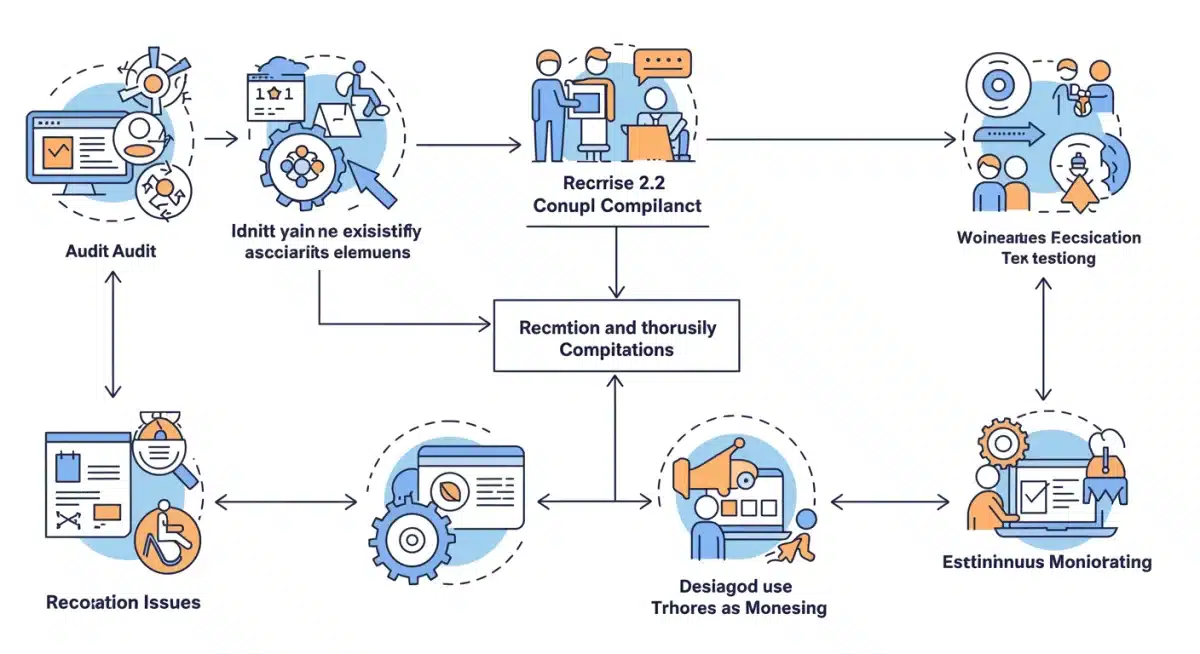
The initial step involves a thorough accessibility audit of the existing retail website. This audit, ideally conducted by accessibility experts, will identify current compliance gaps against WCAG 2.2 criteria. The output should be a detailed report outlining specific issues, their severity, and recommended remediation strategies. This diagnostic phase provides the foundational understanding of what needs to be addressed.
Developing a Remediation Strategy
Once the audit is complete, retailers must develop a comprehensive remediation plan. This plan should prioritize issues based on their impact on user experience and their ease of resolution. It’s often beneficial to tackle critical, high-impact issues first to ensure foundational accessibility is established quickly. The remediation strategy should also outline responsibilities, timelines, and necessary resources, including budget and personnel.
- Prioritize Issues: Address critical accessibility barriers first, focusing on those that prevent core functionality.
- Allocate Resources: Assign clear responsibilities to development teams and allocate sufficient time and budget.
- Integrate Accessibility: Embed accessibility considerations into the entire development lifecycle, rather than treating it as a separate phase.
- Vendor Compliance: Ensure all third-party integrations (payment gateways, chatbots, review platforms) also meet WCAG 2.2 standards.
Beyond initial remediation, ongoing maintenance is crucial. The digital landscape is dynamic, with new content, features, and updates constantly being introduced. Retailers must establish internal processes to ensure that all new development and content creation adheres to WCAG 2.2 standards. This includes training for content creators, developers, and designers, fostering a culture of accessibility throughout the organization. Regular re-audits and user testing will help maintain compliance over time, ensuring the retail website remains accessible and inclusive.
Benefits Beyond Compliance: The Business Case for Accessibility
While the immediate impetus for retail websites to achieve WCAG 2.2 compliance by Q2 2025 is often regulatory, the benefits extend far beyond simply avoiding legal penalties. Embracing digital accessibility is a strategic business decision that can significantly enhance a retailer’s market position, customer loyalty, and overall profitability. It transforms a perceived obligation into a powerful competitive advantage.
One of the most compelling arguments for accessibility is market expansion. By making their websites accessible, retailers unlock access to a vast demographic of individuals with disabilities and their families, who collectively represent significant purchasing power. This previously underserved market segment is often fiercely loyal to brands that genuinely cater to their needs. An accessible website signals a brand’s commitment to inclusivity, fostering goodwill and attracting customers who value social responsibility.
Moreover, accessibility improvements often lead to a better user experience for all customers, not just those with disabilities. Features like clear navigation, well-structured content, keyboard operability, and sufficient color contrast benefit everyone. This enhanced usability can result in higher conversion rates, reduced bounce rates, and increased time spent on site, directly impacting revenue. Search engines also favor accessible websites, as many accessibility best practices align with SEO principles, potentially leading to improved search rankings and increased organic traffic.
Long-Term Advantages of Inclusive Design
Investing in accessibility from the outset can also lead to long-term cost savings. Retrofitting an inaccessible website is typically more expensive and time-consuming than building accessibility into the design and development process from the beginning. By adopting an inclusive design philosophy, retailers can future-proof their digital assets, reducing the need for costly rework and maintaining compliance with evolving standards.
- Enhanced Brand Reputation: Position your brand as socially responsible and inclusive, attracting a wider customer base.
- Increased Market Share: Tap into the significant purchasing power of individuals with disabilities and their allies.
- Improved SEO: Accessibility best practices often align with SEO, leading to better search engine visibility.
- Reduced Legal Risk: Proactive compliance mitigates the threat of costly lawsuits and legal fees.
- Innovation and Usability: Accessible design often drives innovation, resulting in a better, more user-friendly experience for all customers.
Ultimately, achieving WCAG 2.2 compliance is an investment in the future of retail. It’s about building a more equitable digital world while simultaneously strengthening business outcomes. Retailers who seize this opportunity will not only meet federal mandates but will also cultivate a more loyal customer base, enhance their brand image, and unlock new avenues for growth in an increasingly diverse marketplace.
| Key Aspect | Brief Description |
|---|---|
| WCAG 2.2 Standards | New federal guidelines for web accessibility, enhancing inclusivity for users with disabilities. |
| Q2 2025 Deadline | Mandatory compliance target for retail websites, emphasizing urgency for implementation. |
| Key Features | Prioritizing keyboard navigation, alt text, color contrast, and semantic HTML for broad usability. |
| Business Benefits | Beyond compliance, accessibility boosts brand reputation, market reach, and SEO. |
Frequently Asked Questions About WCAG 2.2 Compliance
WCAG 2.2 stands for Web Content Accessibility Guidelines, version 2.2. It’s a set of internationally recognized recommendations for making web content more accessible to people with disabilities. For retail websites, compliance is crucial not only to avoid legal penalties under federal accessibility standards but also to expand market reach and provide an inclusive shopping experience for all customers.
Retail websites in the United States are mandated to achieve WCAG 2.2 compliance by Q2 2025. This deadline is significant, urging businesses to begin their accessibility audits and remediation efforts promptly to ensure they meet the new federal standards and avoid potential legal and reputational risks associated with non-compliance.
Non-compliance with WCAG 2.2 carries several risks for retailers, primarily legal challenges under the Americans with Disabilities Act (ADA). These can result in costly lawsuits, significant legal fees, and mandatory remediation expenses. Additionally, non-compliance can damage a brand’s reputation, alienate potential customers, and lead to a loss of market share from the disabled community and their allies.
Retailers should begin by conducting a comprehensive accessibility audit of their current website, ideally with expert assistance, to identify existing barriers. Following this, they should develop a clear remediation plan, prioritizing critical issues. Training internal teams on accessibility best practices and integrating accessibility into the development lifecycle are also crucial initial steps towards meeting the Q2 2025 deadline.
Beyond legal compliance, WCAG 2.2 offers significant business advantages. It expands market access to a large demographic of customers with disabilities, enhances brand reputation as a socially responsible entity, and often improves overall website usability for all users, leading to better SEO, higher conversion rates, and increased customer loyalty. It’s a strategic investment in inclusive growth.
Conclusion
The advent of New Federal Accessibility Standards for Retail Websites: Achieving WCAG 2.2 Compliance by Q2 2025 represents a pivotal moment for the retail sector. This mandate is more than a regulatory hurdle; it’s an opportunity to redefine the online shopping experience, making it universally accessible and truly inclusive. Retailers who embrace these changes proactively will not only mitigate legal risks but also unlock significant market potential, bolster their brand reputation, and foster deeper customer loyalty. The Q2 2025 deadline underscores the urgency, calling for strategic planning, dedicated resources, and a commitment to continuous improvement. By prioritizing accessibility, businesses can build a more equitable digital landscape that benefits everyone, solidifying their position as leaders in an evolving, conscious marketplace.