U.S. E-commerce Retail Trends: Navigating 15% Growth by 2025
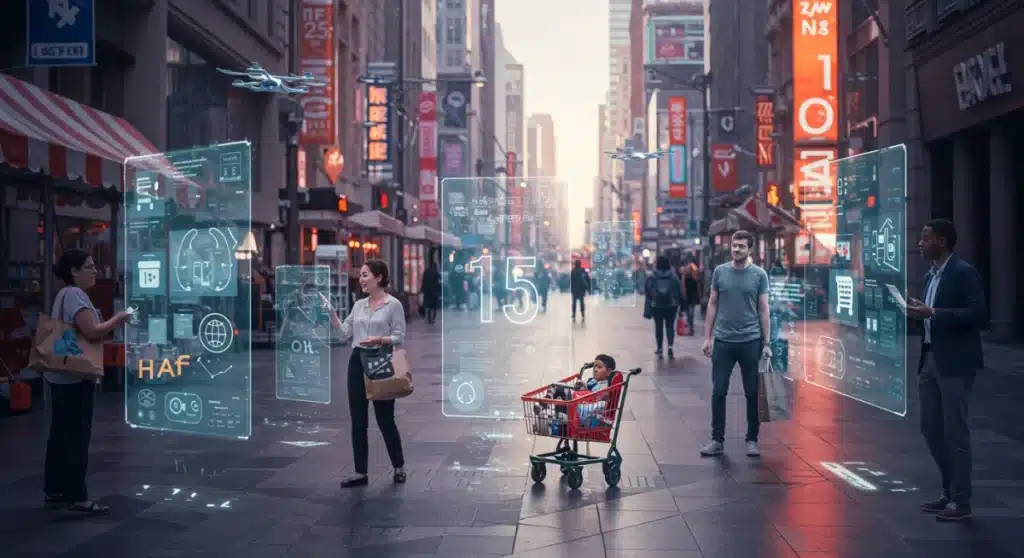
The U.S. e-commerce retail sector is projected to experience a significant 15% growth by 2025, fueled by dynamic shifts in consumer behavior and continuous technological innovation.
As we approach the mid-point of the decade, the landscape of digital commerce continues its rapid evolution, presenting both unprecedented opportunities and complex challenges. The 2025 Outlook: Navigating the 15% Expected Growth in U.S. E-commerce Retail Trends indicates a robust expansion, signaling a pivotal moment for businesses and consumers alike.
Understanding the U.S. E-commerce Growth Trajectory
The U.S. e-commerce market is not merely growing; it is transforming at an accelerated pace, driven by a confluence of technological advancements, shifting consumer expectations, and innovative business models. This projected 15% growth by 2025 is not just a statistic; it represents a fundamental recalibration of how goods and services are bought and sold across the nation.
This expansion is rooted in several key factors, including the increased penetration of digital devices, enhanced internet infrastructure, and a generational shift towards online-first purchasing habits. The pandemic undeniably accelerated this trend, but its underlying drivers were already firmly in place, now merely amplified and refined.
Key Drivers of Digital Expansion
Several forces are converging to propel the U.S. e-commerce sector forward. Understanding these drivers is crucial for any business looking to capitalize on the anticipated growth.
- Mobile Commerce Dominance: The smartphone has become the primary shopping device for many, necessitating optimized mobile experiences.
- Personalization at Scale: AI-driven recommendations and tailored marketing are enhancing customer engagement and conversion rates.
- Logistics Innovation: Faster, more reliable, and increasingly sustainable delivery options are setting new industry standards.
- Digital Payment Evolution: The rise of frictionless payment methods, from digital wallets to buy-now-pay-later (BNPL) services, simplifies transactions.
The continuous innovation in these areas creates a more seamless and attractive online shopping environment, encouraging consumers to increasingly turn to digital channels for their needs. This sustained momentum is expected to solidify e-commerce’s position as a dominant force in retail.
Technological Innovations Shaping the Future of Online Retail
Technology serves as the backbone of e-commerce, constantly evolving to create more immersive, efficient, and personalized shopping experiences. The 15% growth projected for 2025 is heavily reliant on the successful integration and adoption of cutting-edge technologies that redefine consumer interaction and operational efficiency.
From artificial intelligence to augmented reality, these innovations are not just novelties; they are becoming indispensable tools for retailers aiming to stay competitive and meet the sophisticated demands of modern shoppers. The strategic application of these technologies can lead to significant gains in market share and customer loyalty.
Artificial Intelligence and Machine Learning
AI and machine learning are revolutionizing nearly every aspect of e-commerce, from personalized product recommendations to predictive analytics and customer service automation. These technologies allow retailers to understand consumer behavior at an unprecedented level of detail, enabling them to offer highly relevant and timely interactions.
- Enhanced Personalization: AI algorithms analyze vast datasets to offer hyper-personalized product suggestions, content, and promotions.
- Customer Service Automation: AI-powered chatbots and virtual assistants provide instant support, resolving queries and guiding shoppers.
- Fraud Detection: Machine learning models identify and prevent fraudulent transactions, securing both businesses and consumers.
- Inventory Management: Predictive analytics optimize stock levels, reducing waste and ensuring product availability.
The ability of AI to process and interpret complex data sets is pivotal in creating a responsive and adaptive e-commerce ecosystem, directly contributing to the anticipated growth.
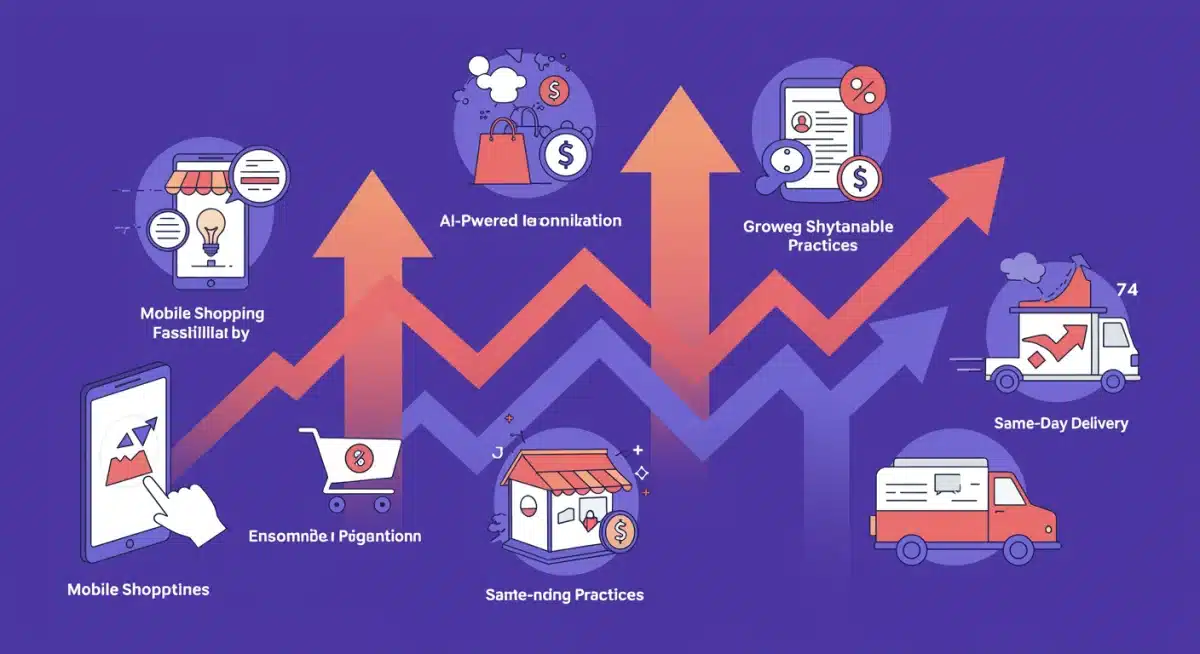

Augmented Reality (AR) and Virtual Reality (VR) in Shopping
AR and VR technologies are bridging the gap between digital and physical shopping experiences, offering consumers innovative ways to interact with products before purchase. This enhanced engagement can significantly reduce return rates and boost buyer confidence.
Imagine trying on clothes virtually, placing furniture in your living room through an app, or exploring a virtual showroom from the comfort of your home. These immersive experiences are no longer futuristic concepts; they are rapidly becoming mainstream features in leading e-commerce platforms.
By providing a more tangible sense of products, AR and VR help overcome some of the traditional limitations of online shopping, making the digital experience richer and more satisfying. This directly contributes to increased conversion rates and customer satisfaction.
Evolving Consumer Behavior and Expectations
The projected 15% growth in U.S. e-commerce by 2025 is not solely a product of technological advancement but also a reflection of profound shifts in consumer behavior and evolving expectations. Today’s online shoppers are more discerning, demanding, and digitally fluent than ever before.
They expect seamless experiences, instant gratification, and a personalized approach that anticipates their needs. Retailers who fail to adapt to these evolving demands risk being left behind in a highly competitive market. Understanding these behavioral patterns is paramount for strategic planning.
The Demand for Seamless Omni-channel Experiences
Modern consumers no longer distinguish sharply between online and offline shopping channels. They expect a unified, consistent experience across all touchpoints, whether browsing on a mobile app, visiting a physical store, or interacting with customer service online.
- Click-and-Collect: The ability to order online and pick up in-store offers convenience and speed, blending digital and physical retail.
- In-store Returns for Online Purchases: This flexibility enhances customer trust and reduces friction in the return process.
- Personalized In-store Experiences: Leveraging online data to inform and enhance the physical store visit.
An effective omni-channel strategy ensures that a customer’s journey is smooth and integrated, regardless of how they choose to interact with a brand. This holistic approach builds loyalty and drives repeat business.
Sustainability and Ethical Consumption on the Rise
Beyond convenience and personalization, a growing number of consumers are prioritizing sustainability and ethical practices when making purchasing decisions. This trend is influencing everything from product sourcing to packaging and delivery methods.
Retailers are increasingly expected to demonstrate transparency and commitment to environmental and social responsibility. Brands that align with these values are likely to resonate more strongly with a conscious consumer base, contributing to their growth in the digital marketplace.
From eco-friendly packaging to fair labor practices and carbon-neutral shipping, businesses that integrate sustainability into their core operations are gaining a significant competitive edge. This shift in consumer values is not a fleeting trend but a fundamental change shaping the future of retail.
Logistics and Supply Chain Innovations for E-commerce Success
The anticipated 15% growth in U.S. e-commerce by 2025 places immense pressure on logistics and supply chain infrastructures. Meeting heightened consumer expectations for speed, accuracy, and cost-effectiveness requires continuous innovation in how products are stored, moved, and delivered.
Efficient logistics are no longer just an operational necessity; they are a critical differentiator and a core component of the customer experience. Retailers must invest in robust and agile supply chains to support their digital expansion.
Automated Warehousing and Fulfillment
Automation in warehouses and fulfillment centers is becoming standard practice, significantly increasing efficiency and reducing human error. Robotics, AI-powered sorting systems, and automated guided vehicles (AGVs) are transforming the speed at which orders are processed.
These technologies allow for 24/7 operations, optimal space utilization, and faster order picking, directly impacting delivery times and operational costs. The ability to scale fulfillment operations rapidly is essential for handling peak shopping seasons and sustained growth.
By streamlining internal processes, automated systems enable e-commerce businesses to meet the demanding delivery expectations of consumers while maintaining profitability. This technological leap is crucial for sustaining the projected growth.
Last-Mile Delivery Optimization
The ‘last mile’ — the final leg of the delivery journey from the fulfillment center to the customer’s doorstep — remains one of the most challenging and costly aspects of e-commerce logistics. Innovations in this area are critical for improving customer satisfaction and reducing delivery expenses.
- Drone Delivery: While still in early stages, drone technology holds promise for rapid, autonomous delivery in specific contexts.
- Autonomous Vehicles: Self-driving delivery robots and vans are being piloted to optimize routes and reduce labor costs.
- Hyperlocal Fulfillment: Utilizing smaller, strategically located micro-fulfillment centers closer to urban populations to speed up local deliveries.
- Crowdsourced Delivery: Leveraging independent contractors to handle deliveries, offering flexibility and scalability.
Optimizing the last mile is paramount for providing competitive delivery options and enhancing the overall customer experience, directly supporting the sustained growth of e-commerce.
Emerging Payment Solutions and Security in Online Transactions
As U.S. e-commerce continues its projected 15% growth towards 2025, the evolution of payment solutions and the imperative for robust security measures are paramount. Consumers demand not only convenience but also absolute assurance that their financial information is protected.
The proliferation of digital wallets, alternative payment methods, and enhanced security protocols are reshaping how transactions occur online. Retailers must stay ahead of these trends to build trust and facilitate seamless purchasing experiences.
The Rise of Digital Wallets and BNPL
Digital wallets like Apple Pay, Google Pay, and PayPal have become mainstream, offering speed and convenience by storing payment information securely. Beyond traditional methods, ‘Buy Now, Pay Later’ (BNPL) services are rapidly gaining traction, particularly among younger demographics.
BNPL options allow consumers to spread the cost of purchases over interest-free installments, making higher-value items more accessible. This flexibility can significantly increase conversion rates and average order values, contributing to overall e-commerce expansion.
By offering a diverse range of payment options, retailers cater to varying consumer preferences and financial situations, removing friction from the checkout process and encouraging more purchases.
Enhanced Cybersecurity and Fraud Prevention
With increased online transactions comes an elevated risk of cyber threats and fraud. Investing in state-of-the-art cybersecurity measures is no longer optional but a fundamental requirement for any e-commerce business.
- Multi-Factor Authentication (MFA): Adding layers of verification to secure user accounts and transactions.
- Tokenization: Replacing sensitive payment data with unique, non-sensitive tokens to protect against breaches.
- AI-Powered Fraud Detection: Utilizing machine learning to identify suspicious patterns and prevent fraudulent activities in real-time.
- PCI DSS Compliance: Adhering to industry standards for handling credit card information securely.
Maintaining consumer trust through rigorous security practices is essential for sustained growth. A single security breach can severely damage a brand’s reputation and deter future sales.
Strategic Adaptations for Retailers in a Growing Digital Landscape
Navigating the 15% expected growth in U.S. e-commerce retail trends by 2025 demands more than just adopting new technologies; it requires a fundamental shift in business strategy. Retailers must be agile, customer-centric, and data-driven to thrive in this dynamic environment.
This includes rethinking everything from product development and marketing to customer service and employee training. The businesses that will succeed are those that can effectively integrate digital innovation with a deep understanding of their target audience.
Data-Driven Decision Making
The abundance of data generated by online interactions provides an invaluable resource for retailers. Leveraging analytics to understand customer behavior, predict market trends, and optimize operations is crucial for making informed strategic decisions.
From website traffic patterns to conversion funnels and customer lifetime value, every data point offers insights that can be used to refine marketing campaigns, personalize experiences, and improve product offerings. This analytical approach empowers businesses to respond proactively to market changes.
By transforming raw data into actionable intelligence, retailers can create more effective strategies that drive engagement, sales, and long-term growth in the competitive e-commerce landscape.
Building Strong Brand Communities
In an increasingly commoditized online world, building a strong brand identity and fostering a loyal community around it can be a significant differentiator. Engaging with customers beyond transactional interactions creates stronger connections and advocates.
- Social Commerce: Integrating shopping experiences directly within social media platforms where consumers spend significant time.
- User-Generated Content (UGC): Encouraging customers to share their experiences and product reviews, building authenticity and trust.
- Loyalty Programs: Rewarding repeat customers and fostering a sense of belonging to the brand.
- Personalized Communication: Engaging with customers through relevant content, newsletters, and exclusive offers.
A strong brand community not only drives repeat purchases but also acts as a powerful marketing channel, as satisfied customers become organic promoters of the brand. This relational aspect is key to sustainable growth.
| Key Trend | Description |
|---|---|
| 15% Growth Projection | U.S. e-commerce retail is expected to expand significantly by 2025, driven by evolving digital consumer habits. |
| AI & Personalization | AI and machine learning are key to hyper-personalized shopping experiences and operational efficiency. |
| Omni-channel Integration | Seamless experiences across online and offline channels are crucial for modern consumer satisfaction. |
| Sustainable Practices | Consumer demand for ethical and eco-friendly options is influencing retail strategies and brand loyalty. |
Frequently asked questions about US e-commerce growth
The projected growth is primarily driven by increased mobile commerce adoption, advanced AI-driven personalization, significant innovations in logistics, and the continuous evolution of digital payment systems. These factors collectively enhance the online shopping experience and meet evolving consumer demands for convenience and efficiency.
AI and machine learning will profoundly impact online retail by enabling hyper-personalized product recommendations, automating customer service through chatbots, optimizing inventory management with predictive analytics, and strengthening fraud detection systems. These technologies create more efficient and tailored shopping journeys.
Omni-channel integration is crucial for future e-commerce success as consumers expect seamless experiences across all touchpoints. This includes features like click-and-collect, in-store returns for online purchases, and personalized in-store interactions, blending digital and physical retail for a cohesive customer journey.
Yes, sustainable practices are increasingly vital. A growing segment of consumers prioritizes ethical and eco-friendly choices, influencing their purchasing decisions. Brands adopting sustainable sourcing, packaging, and delivery methods are gaining a competitive advantage and building stronger loyalty with conscious shoppers.
The biggest challenges for last-mile delivery include high operational costs, urban traffic congestion, and meeting consumer demands for speed and flexibility. Innovations like drone delivery, autonomous vehicles, hyperlocal fulfillment centers, and crowdsourced delivery are being explored to overcome these hurdles and optimize efficiency.
Conclusion
The trajectory for U.S. e-commerce retail towards 2025 is undeniably one of significant expansion, with a projected 15% growth underscoring a dynamic and evolving market. This growth is not accidental but a culmination of technological innovation, shifting consumer behaviors, and strategic adaptations by retailers. Success in this landscape hinges on embracing AI, prioritizing seamless omni-channel experiences, optimizing logistics, and building trust through robust security and sustainable practices. As the digital marketplace continues to mature, businesses that remain agile, customer-centric, and forward-thinking will be best positioned to capitalize on these exciting opportunities and shape the future of retail.