Experiential Retail Trends: Boost In-Store Traffic 20% in 6 Months
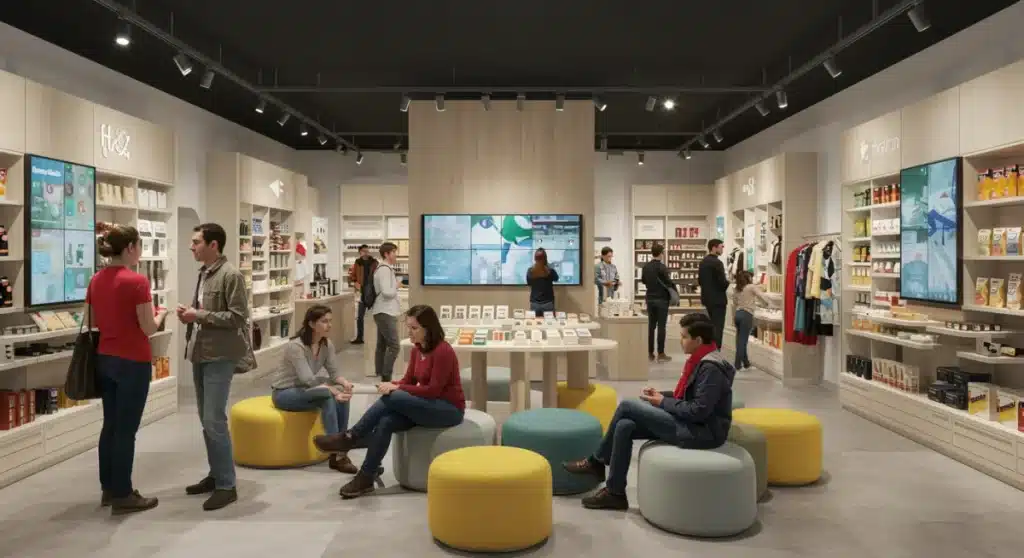
Implementing innovative experiential retail trends is crucial for modern businesses looking to significantly increase in-store traffic and enhance customer engagement within a strategic six-month period.
The retail landscape is constantly evolving, and simply selling products is no longer enough. To truly capture consumer attention and drive foot traffic, businesses must embrace experiential retail trends. This approach transforms a transactional visit into a memorable journey, cultivating deeper connections and loyalty. Understanding and applying these trends effectively can lead to a remarkable 20% boost in in-store traffic within the next six months.
Understanding the Shift to Experiential Retail
The transition from traditional retail to an experiential model marks a significant paradigm shift in how brands interact with their customers. Consumers today seek more than just goods; they crave experiences, connection, and a sense of discovery that online shopping often cannot replicate. This fundamental change necessitates a reevaluation of physical store environments, transforming them into dynamic spaces that offer value beyond mere product display.
Experiential retail is about immersing the customer in the brand’s story, values, and offerings through sensory engagement, interactive displays, and personalized services. It recognizes that shopping is increasingly a leisure activity, an opportunity for entertainment, education, and social interaction. By catering to these desires, retailers can create compelling reasons for consumers to visit their physical locations.
The Consumer Desire for Engagement
Modern consumers, particularly younger demographics, prioritize experiences over possessions. They are willing to spend more on brands that offer unique, shareable moments. This desire for engagement extends to their shopping habits, pushing retailers to think beyond the checkout counter.
- Personalized journeys: Tailoring experiences to individual preferences.
- Sensory stimulation: Engaging sight, sound, smell, touch, and taste.
- Social opportunities: Creating spaces for connection and community.
- Educational value: Offering workshops, demonstrations, or expert advice.
The success of experiential retail lies in its ability to forge emotional connections. When customers feel a personal bond with a brand, they are more likely to become loyal patrons, advocate for the brand, and return for future experiences, thereby directly impacting in-store traffic figures.
Ultimately, understanding this shift means recognizing that the physical store is no longer just a point of sale, but a critical touchpoint for brand building and community creation. It’s about crafting an environment where every visit feels purposeful and enriching, encouraging repeat engagement and word-of-mouth promotion.
Crafting Immersive Store Environments
Creating an immersive store environment is central to the success of experiential retail, transforming a simple shopping trip into an unforgettable event. This goes beyond aesthetic appeal; it involves designing spaces that tell a story, evoke emotions, and encourage active participation from the customer. The goal is to make the physical store a destination in itself, rather than just a place to pick up items.
Immersive environments leverage all human senses to build a cohesive narrative around the brand. From the moment a customer steps inside, they should feel transported, engaged, and intrigued. This requires thoughtful planning of layout, lighting, soundscapes, scents, and interactive elements that collectively contribute to a unique atmosphere.
Storytelling Through Design
Every element within an immersive store should contribute to the brand’s story. Design choices can communicate heritage, innovation, sustainability, or luxury, depending on the brand’s identity. This narrative approach helps customers understand and connect with the brand on a deeper level.
- Thematic zones: Dividing the store into distinct areas that represent different aspects of the brand or product categories.
- Interactive displays: Utilizing touchscreens, augmented reality, or virtual reality to showcase products in dynamic ways.
- Art installations: Incorporating unique artistic elements that reflect the brand’s aesthetic and values.
- Comfort and leisure areas: Providing spaces where customers can relax, socialize, or enjoy refreshments, extending their stay.
By focusing on storytelling through design, retailers can create environments that are not only visually appealing but also deeply resonant. These spaces encourage exploration and discovery, making each visit a new adventure and significantly increasing the likelihood of customers returning and recommending the store to others.
In essence, crafting immersive environments is about orchestrating a multi-sensory journey that captivates and delights customers, making the act of shopping an enjoyable and enriching experience rather than a mere transaction. This strategy is vital for driving increased in-store traffic and fostering long-term customer loyalty.
Personalization and Hyper-Targeted Experiences
In the digital age, personalization has become a cornerstone of effective retail strategy, and its application in physical stores is revolutionizing the customer experience. Moving beyond generic interactions, personalization in experiential retail means tailoring every aspect of a customer’s visit to their individual preferences, interests, and past behaviors. This hyper-targeted approach makes customers feel seen, understood, and valued, fostering a deeper connection with the brand.
The key to successful personalization lies in leveraging data intelligence to anticipate customer needs and offer relevant suggestions or services. This can range from personalized product recommendations to customized in-store events or exclusive access based on loyalty program status. The aim is to create a seamless and highly relevant shopping journey that resonates individually with each visitor.
Leveraging Data for Individualized Journeys
Collecting and analyzing customer data, both online and offline, is crucial for delivering truly personalized experiences. This data can inform everything from store layout adjustments to the types of events hosted, ensuring they align with customer interests.
- Customer profiles: Using purchase history and preferences to offer tailored product selections.
- AI-driven recommendations: Employing artificial intelligence to suggest items or experiences based on real-time interactions.
- Personalized workshops: Offering classes or demonstrations that cater to specific customer interests.
- Loyalty program benefits: Providing exclusive perks, early access, or special discounts to loyal members.
Implementing personalization strategies effectively requires a commitment to understanding the customer at an individual level. When customers feel that their needs are being met and their preferences are being acknowledged, their engagement with the brand intensifies. This not only boosts in-store traffic but also significantly enhances customer satisfaction and loyalty, translating into repeat business and positive word-of-mouth.
Ultimately, personalization and hyper-targeted experiences are about building a one-on-one relationship with each customer. By making every interaction feel unique and relevant, retailers can transform casual browsers into dedicated brand advocates, driving sustainable growth in physical store visits.
Integrating Technology for Enhanced Engagement
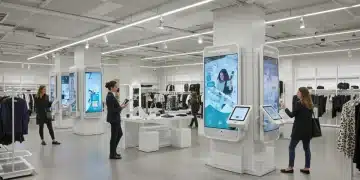
Technology plays a pivotal role in elevating experiential retail, offering innovative ways to engage customers and create memorable interactions. Far from replacing human interaction, technology in this context serves to augment, personalize, and streamline the in-store experience. From interactive digital displays to augmented reality, these tools transform static retail spaces into dynamic, responsive environments that captivate modern consumers.
The strategic integration of technology can bridge the gap between the physical and digital worlds, offering customers the best of both. It allows for a richer exploration of products, provides instant access to information, and enables seamless transactions, all while maintaining the unique benefits of a physical presence. The goal is to make technology feel intuitive and integrated, enhancing the overall journey without being intrusive.
Cutting-Edge Tools for Modern Retail
A variety of technological innovations are at the forefront of enhancing retail engagement, each offering distinct advantages for different aspects of the customer journey.
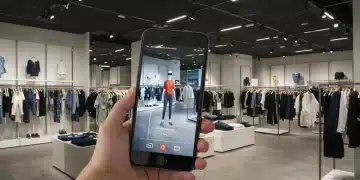
- Augmented Reality (AR): Allowing customers to virtually try on clothes, visualize furniture in their homes, or interact with digital product information overlays.
- Interactive Kiosks & Screens: Providing self-service options, product customization tools, or access to endless aisle inventory.
- Smart Mirrors: Offering virtual try-ons, outfit suggestions, and instant access to product details without leaving the fitting room.
- RFID Technology: Enabling seamless checkout processes, inventory tracking, and personalized recommendations based on items picked up.
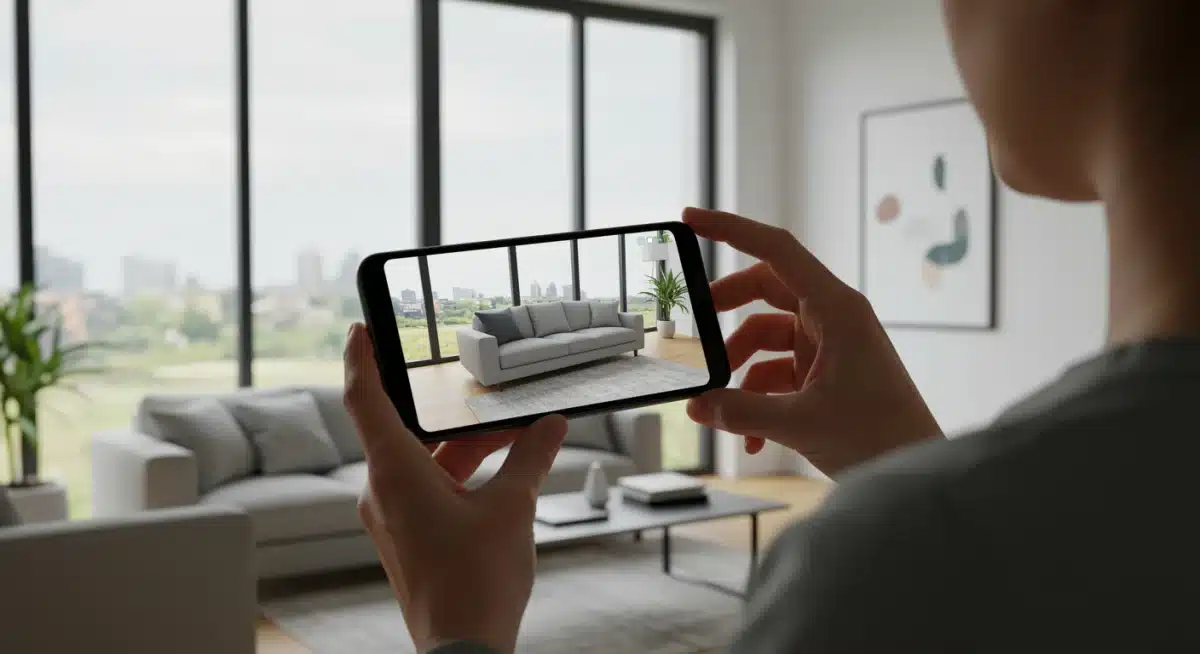
By thoughtfully integrating these technologies, retailers can create a more engaging, efficient, and personalized shopping experience. This not only attracts tech-savvy consumers but also provides practical solutions that enhance convenience and satisfaction. The strategic use of technology is indispensable for any retailer aiming to significantly boost in-store traffic and remain competitive in today’s market.
Ultimately, technology in experiential retail is about empowering the customer and enriching their visit. It transforms the store into a hub of innovation and convenience, making every interaction more efficient and enjoyable, thereby encouraging repeat visits and stronger brand loyalty.
Hosting Events and Workshops to Drive Footfall
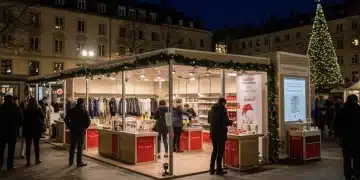
Beyond sales, physical retail spaces have an unparalleled opportunity to become community hubs by hosting engaging events and workshops. This strategy is a powerful driver of footfall, transforming stores into dynamic destinations where customers can learn, socialize, and connect with the brand on a deeper level. By offering unique experiences that cannot be replicated online, retailers provide compelling reasons for consumers to visit their brick-and-mortar locations.
Events and workshops can range from product launches and demonstrations to educational seminars and creative classes. The key is to curate activities that align with the brand’s identity and resonate with the target audience’s interests. These gatherings not only attract new customers but also strengthen relationships with existing ones, fostering a sense of community and belonging around the brand.
Curating Engaging In-Store Activities
The success of events and workshops hinges on their ability to offer genuine value and create memorable experiences. Thoughtful planning and promotion are essential to maximize attendance and engagement.
- Product launch parties: Creating excitement around new arrivals with exclusive previews and interactive displays.
- DIY workshops: Offering hands-on classes related to product use or complementary skills (e.g., cooking classes at a kitchenware store).
- Expert talks: Inviting industry specialists or brand ambassadors to share insights and engage with customers.
- Community meet-ups: Providing a space for local groups or interest communities to gather, subtly integrating the brand.
Promoting these events effectively through social media, email marketing, and in-store signage is crucial to ensure high attendance. Retailers should also consider collaborating with local influencers or complementary businesses to expand their reach and attract diverse audiences. These interactions not only drive immediate footfall but also generate valuable user-generated content and word-of-mouth promotion.
By consistently hosting engaging events and workshops, retailers can establish their stores as vibrant cultural or educational centers, making them indispensable parts of the community. This strategy significantly boosts in-store traffic, enhances brand perception, and cultivates a loyal customer base that values the unique experiences offered.
Measuring Impact and Iterating for Success
Implementing experiential retail strategies is only half the battle; the other half involves meticulously measuring their impact and continuously iterating based on performance data. Without robust analytics, even the most innovative experiences risk failing to achieve their intended objectives. Effective measurement allows retailers to understand what resonates with customers, identify areas for improvement, and optimize their efforts to maximize return on investment, particularly in driving in-store traffic.
This systematic approach ensures that resources are allocated efficiently and that experiential initiatives are constantly refined to meet evolving customer expectations. The goal is to create a feedback loop where insights from data directly inform future strategy, leading to sustained growth and enhanced customer engagement.
Key Metrics for Experiential Retail
Tracking the right metrics is essential for evaluating the success of experiential initiatives. These metrics should provide clear insights into both customer behavior and business outcomes.
- Foot traffic: Measuring the number of visitors entering the store, potentially using sensors or Wi-Fi tracking.
- Engagement rate: Assessing interaction with experiential elements, such as time spent at interactive displays or participation in workshops.
- Conversion rate: Analyzing how many visitors who engage with experiential elements make a purchase.
- Customer feedback: Collecting qualitative data through surveys, comment cards, or social media monitoring.
- Repeat visits: Tracking how often customers return to the store after experiencing an event or interactive feature.
Beyond these quantitative metrics, qualitative feedback is invaluable. Understanding the emotional response and perceived value of an experience can provide deeper insights that numbers alone cannot capture. This holistic approach to measurement allows retailers to fine-tune their experiential offerings, ensuring they consistently deliver impactful and traffic-driving experiences.
By diligently measuring impact and embracing a culture of continuous iteration, retailers can ensure their experiential strategies remain effective and relevant. This data-driven approach is critical for achieving and sustaining a significant boost in-store traffic and fostering long-term customer loyalty in a competitive market.
| Key Trend | Brief Description |
|---|---|
| Immersive Environments | Transforming stores into sensory-rich, narrative-driven spaces. |
| Personalization | Tailoring experiences to individual customer preferences and data. |
| Technology Integration | Using AR, VR, and interactive displays to enhance engagement. |
| Events & Workshops | Hosting in-store activities to attract and engage the community. |
Frequently Asked Questions About Experiential Retail
Experiential retail transforms shopping into an immersive, engaging experience beyond mere transactions. It’s crucial today because consumers seek deeper connections with brands, entertainment, and personalized interactions that online shopping often lacks, driving foot traffic back to physical stores.
Technology enhances experiential retail by offering interactive elements like augmented reality (AR) try-ons, virtual reality (VR) product tours, smart mirrors, and personalized kiosks. These tools make the shopping journey more engaging, informative, and convenient, bridging the gap between digital and physical experiences.
Events that drive in-store traffic include product launch parties, DIY workshops, expert talks, and community meet-ups. These activities offer unique value, foster community, and provide compelling reasons for customers to visit physical locations, creating memorable brand interactions.
Success is measured through metrics like foot traffic, engagement rates with interactive elements, conversion rates, customer feedback, and repeat visits. A holistic approach combining quantitative data with qualitative insights helps refine strategies and optimize future experiential offerings for better results.
Absolutely. Small businesses can implement experiential retail trends through creative, budget-friendly approaches such as local artist collaborations, themed window displays, personalized styling sessions, or small-scale workshops. The focus should be on authenticity and creating unique, memorable interactions.
Conclusion
The journey to boosting in-store traffic by 20% in the next six months through experiential retail is both challenging and rewarding. By embracing immersive environments, hyper-personalization, strategic technology integration, and engaging events, retailers can transform their physical spaces into vibrant destinations. The key lies in understanding the modern consumer’s desire for connection and unique experiences, then meticulously measuring the impact of these initiatives to ensure continuous improvement. As the retail landscape continues to evolve, those who prioritize compelling, memorable in-store experiences will be the ones to thrive, building lasting customer loyalty and sustained growth.