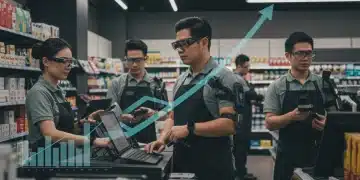
Beacon Technology in US Retail: 7% Sales Increase by 2025
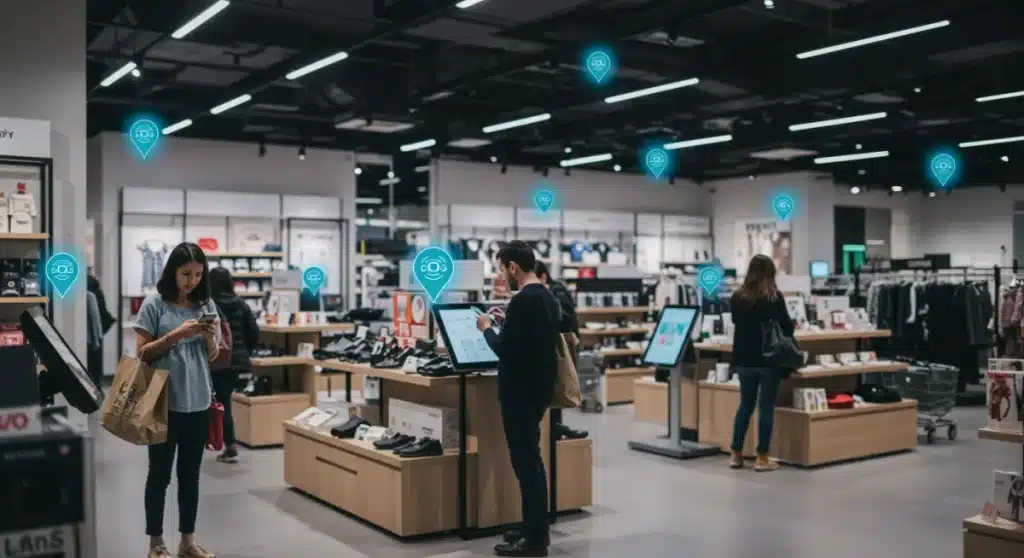
Beacon technology is forecast to drive a substantial 7% increase in US retail in-store engagement and sales by mid-2025, revolutionizing how customers interact with physical stores and offering unprecedented opportunities for personalized marketing and operational efficiency.
Beacon Technology in US Retail: Driving a 7% Increase in In-Store Engagement and Sales by Mid-2025
The retail landscape is constantly evolving, with technological advancements playing a crucial role in shaping customer experiences and sales outcomes. Among these innovations, beacon technology retail stands out as a powerful force, poised to significantly impact the US market. By mid-2025, experts predict this technology will drive a remarkable 7% increase in in-store engagement and sales, offering retailers unprecedented opportunities to connect with shoppers.
Understanding the Power of Beacon Technology in Retail
Beacon technology leverages small, wireless transmitters that use low-energy Bluetooth (BLE) signals to communicate with nearby smart devices. When a customer with a compatible app enters a beacon’s range, the beacon can trigger specific actions on their device, such as sending personalized promotions, product information, or navigation assistance. This creates a highly localized and contextual interaction, transforming the traditional shopping experience.
The fundamental appeal of beacons lies in their ability to bridge the gap between the digital and physical realms of retail. In an era where online shopping offers convenience and personalized recommendations, physical stores often struggle to replicate this level of tailored engagement. Beacons provide a solution, allowing retailers to deliver relevant, timely content directly to customers as they browse the aisles.
How beacons enhance customer experience
Beacons are not just about sending ads; they are about creating a more informed and engaging shopping journey. Imagine walking into a store and receiving a notification about a discount on an item you previously viewed online, or getting directions to a specific product you’re looking for. This level of personalization can significantly improve customer satisfaction and encourage longer, more productive visits.
- Personalized offers: Delivering discounts and promotions based on past purchases or browsing history.
- In-store navigation: Guiding customers to specific departments or products within a large store.
- Product information: Providing detailed specs, reviews, and usage tips for items in proximity.
- Loyalty program integration: Automatically checking in loyalty members and offering exclusive rewards.
The implementation of beacon technology allows retailers to gain deeper insights into customer behavior within their physical stores. By analyzing beacon data, businesses can understand popular routes, dwell times in specific sections, and the effectiveness of different promotional strategies. This data-driven approach enables continuous optimization of store layouts, marketing campaigns, and inventory management, all contributing to improved sales and customer loyalty.
The Current Landscape: Beacon Adoption in US Retail
While the concept of beacon technology has been around for some time, its adoption in the US retail sector has gained significant momentum in recent years. Early adopters have demonstrated tangible benefits, paving the way for broader implementation. Retailers are increasingly recognizing the competitive advantage that personalized, in-store engagement provides, especially as they contend with the rise of e-commerce.
Several factors contribute to this growing adoption. The ubiquity of smartphones, coupled with advancements in Bluetooth Low Energy (BLE) technology, has made beacons more reliable and cost-effective to deploy. Furthermore, consumers have become more accustomed to receiving digital communications, making them more receptive to beacon-triggered content.
Key sectors embracing beacon technology
Various retail segments are leveraging beacons to enhance their operations and customer interactions. From large department stores to specialized boutiques, the versatility of beacon technology allows for tailored applications across different business models.
- Apparel and fashion: Offering style suggestions, outfit pairings, and personalized discounts.
- Grocery and supermarkets: Highlighting weekly specials, suggesting complementary products, and providing allergen information.
- Consumer electronics: Delivering detailed product comparisons, tutorial videos, and customer reviews.
- Malls and shopping centers: Assisting with navigation, promoting events, and showcasing store directories.
The strategic deployment of beacons is crucial for maximizing their impact. Retailers are moving beyond simply broadcasting generic messages and are instead focusing on creating hyper-relevant experiences. This involves integrating beacon data with CRM systems and loyalty programs to deliver truly personalized content that resonates with individual shoppers. The goal is to create a seamless, integrated shopping journey that feels both convenient and uniquely tailored.
Driving Engagement: How Beacons Transform the In-Store Experience
The primary promise of beacon technology in retail is its ability to significantly boost in-store engagement. In an age where consumers have countless choices, making a physical store visit memorable and valuable is paramount. Beacons offer a dynamic toolset to achieve this, moving beyond static displays and generic advertising.
By providing real-time, context-aware information, beacons empower customers to make more informed purchasing decisions and feel more connected to the brand. This level of interaction can reduce perceived friction in the shopping process and increase the likelihood of a sale. The subtle, yet powerful, influence of timely information can transform a browsing session into a committed purchase.
Personalized recommendations and offers
One of the most impactful applications of beacons is their capacity to deliver ultra-personalized recommendations and offers. Imagine a scenario where a customer, having previously purchased running shoes from the store’s website, receives a notification about a new line of athletic apparel as they walk past the sports section. This targeted approach is far more effective than generic promotions.
- Dynamic pricing alerts: Notifying customers of flash sales or limited-time offers on items they are near.
- Product cross-selling: Suggesting complementary products based on items currently being viewed.
- Loyalty point reminders: Prompting customers to redeem points or informing them of bonus point opportunities.
- Interactive product demos: Triggering videos or augmented reality experiences when a customer approaches a specific product.
The ability to engage customers directly on their smartphones creates a private, one-on-one conversation between the brand and the shopper. This personal touch can foster a sense of loyalty and make the customer feel valued. Retailers using beacons effectively are not just selling products; they are curating experiences that resonate deeply with their target audience.
Boosting Sales: The Direct Impact on Revenue
While enhanced engagement is a significant benefit, the ultimate goal for retailers is to translate that engagement into increased sales. Beacon technology directly contributes to revenue growth through several mechanisms, from encouraging impulse purchases to improving conversion rates. The projected 7% increase in sales by mid-2025 is a testament to this direct impact.
By delivering relevant information at the point of decision, beacons can influence purchasing behavior in real-time. This eliminates the need for customers to seek out information or wait for assistance, streamlining the path to purchase. The immediacy of beacon-triggered content can be a powerful motivator for closing a sale.
Optimizing conversion rates with beacons
Beacons play a crucial role in optimizing conversion rates by addressing common pain points in the retail journey. They can guide customers to desired products, provide answers to questions, and deliver compelling reasons to buy, all while the customer is physically present in the store.
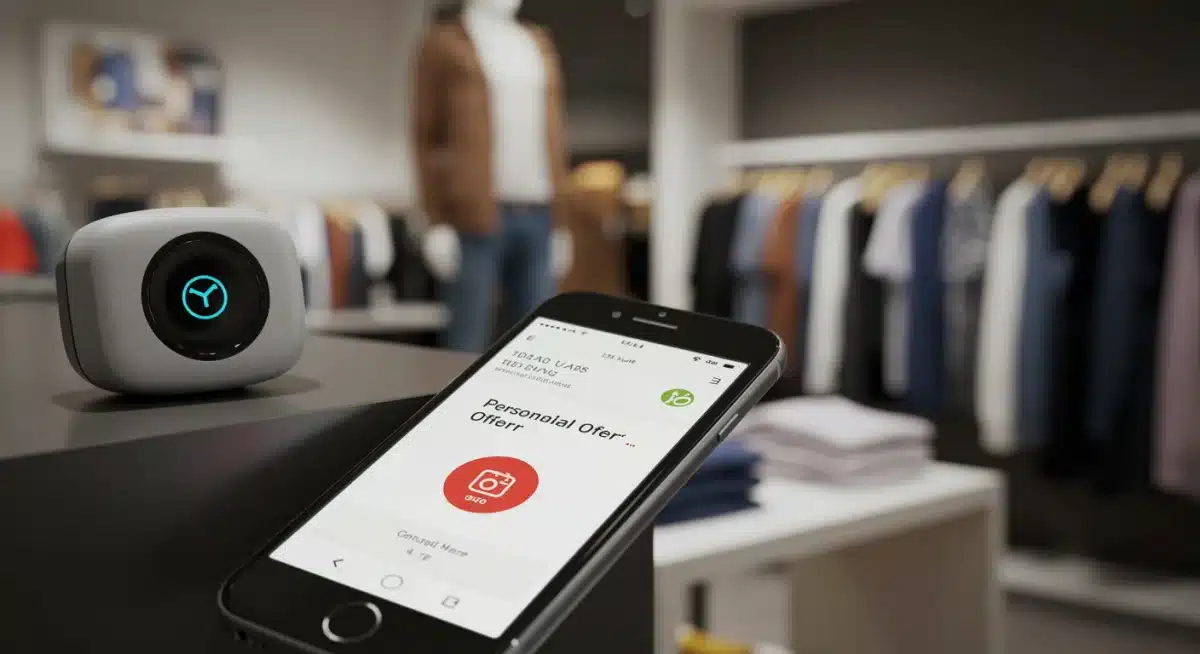
When a customer receives a timely offer for an item they are considering, the likelihood of them making that purchase significantly increases. This is particularly effective for impulse buys or for encouraging customers to try new products.
- Reduced abandonment: Providing solutions or incentives that prevent customers from leaving without a purchase.
- Increased basket size: Suggesting additional items or upgrades that complement a primary purchase.
- Improved product discovery: Helping customers find products they might not have otherwise noticed.
- Enhanced promotional effectiveness: Ensuring that marketing messages reach the right customer at the optimal moment.
Moreover, the data collected from beacon interactions allows retailers to continuously refine their sales strategies. Understanding which offers lead to purchases, which areas of the store generate the most interest, and how customers move through the space provides invaluable insights for optimizing store performance and ultimately boosting the bottom line.
Challenges and Considerations for Beacon Implementation
Despite the immense potential of beacon technology, its successful implementation is not without challenges. Retailers must navigate several considerations to ensure their beacon strategy is effective, compliant, and well-received by customers. Addressing these issues proactively is key to realizing the projected sales and engagement increases.
One of the primary concerns revolves around customer privacy and data security. Transparent communication about data collection practices and clear opt-in options are essential for building trust. Over-messaging or irrelevant notifications can also lead to app uninstalls and negative perceptions, underscoring the importance of thoughtful content delivery.
Technical and operational hurdles
Beyond privacy, there are practical technical and operational hurdles that retailers must overcome. These include setting up and maintaining the beacon infrastructure, integrating with existing systems, and ensuring seamless customer experiences.
- Battery life and maintenance: Beacons require regular battery checks and replacements, which can be a logistical challenge for large deployments.
- App integration: Customers need to have the retailer’s app installed and Bluetooth enabled for beacons to function effectively.
- Data analytics: Interpreting the vast amounts of data generated by beacons requires robust analytics platforms and skilled personnel.
- Interference: Other wireless signals or physical obstructions can sometimes interfere with beacon performance.
Furthermore, the success of beacon campaigns heavily relies on the quality and relevance of the content delivered. Generic or poorly targeted messages can quickly become an annoyance rather than an enhancement. Retailers need to invest in compelling content creation and sophisticated segmentation tools to ensure their beacon communications add genuine value to the customer journey.
The Future of Beacon Technology in US Retail
Looking ahead, the trajectory for beacon technology in US retail appears strong, with continuous innovation and broader integration expected. The 7% increase in in-store engagement and sales by mid-2025 is likely just the beginning, as the technology evolves and retailers become more adept at harnessing its full potential. The future will see beacons becoming an even more integral part of the omnichannel retail strategy.
Expect to see greater synergy between beacons and other emerging technologies, such as artificial intelligence (AI) and augmented reality (AR). AI can refine personalization algorithms, making beacon-triggered content even more precise and predictive. AR, when combined with beacons, can offer immersive in-store experiences that blend digital information with the physical environment, creating truly interactive shopping journeys.
Enhanced personalization and predictive analytics
The next generation of beacon applications will focus on even deeper personalization, moving towards predictive analytics that anticipate customer needs before they arise. This means not just reacting to a customer’s presence but foreseeing their preferences and offering solutions proactively.
- AI-driven content delivery: Using machine learning to optimize the timing and content of beacon messages for maximum impact.
- Seamless omnichannel integration: Blurring the lines between online and offline shopping, with beacons facilitating a continuous customer journey.
- Advanced location intelligence: Providing even more granular data on customer movement and behavior within stores.
- Integration with smart devices: Expanding beacon interactions beyond smartphones to other IoT devices, such as smart mirrors or interactive kiosks.
The ultimate vision for beacon technology is to create a retail environment that is intuitively responsive to the individual shopper, offering a level of convenience, personalization, and engagement that redefines the physical store experience. As retailers continue to innovate and adapt, beacons will remain a critical tool in their arsenal for driving growth and fostering lasting customer relationships.
| Key Aspect | Description |
|---|---|
| Projected Growth | 7% increase in US retail in-store engagement and sales by mid-2025. |
| Core Functionality | Small, wireless transmitters using Bluetooth Low Energy (BLE) for localized communication. |
| Key Benefits | Personalized offers, in-store navigation, enhanced product information, and loyalty program integration. |
| Challenges | Privacy concerns, battery maintenance, app integration, and effective data analytics. |
Frequently Asked Questions About Beacon Technology in Retail
Beacon technology in retail involves small, wireless devices that transmit low-energy Bluetooth signals to nearby smartphones. These signals trigger personalized content, offers, or navigation assistance on a customer’s device, enhancing their in-store shopping experience and providing valuable data to retailers.
Beacons increase retail sales by driving in-store engagement through personalized offers, product information, and navigation. This targeted approach encourages impulse purchases, improves conversion rates, and increases average transaction values by guiding customers to relevant products and promotions at critical decision points.
Customers benefit from beacon technology through a more personalized and convenient shopping journey. They receive relevant discounts, easily find specific products, access detailed information, and enjoy a more interactive in-store experience, making their visits more efficient and enjoyable.
Retailers face challenges such as ensuring customer privacy, managing beacon battery life, integrating with existing systems, and encouraging app adoption. Delivering relevant content and analyzing the generated data effectively are also crucial for successful implementation and avoiding customer annoyance.
The future of beacons in US retail will likely see deeper integration with AI and augmented reality for hyper-personalization and immersive experiences. Expect more seamless omnichannel journeys, advanced predictive analytics, and expanded interactions with various IoT devices, continuously enhancing the physical shopping environment.
Conclusion
Beacon technology retail is not merely a passing trend but a transformative force reshaping the US retail landscape. With a projected 7% increase in in-store engagement and sales by mid-2025, its impact on how consumers interact with physical stores is undeniable. By offering unparalleled personalization, real-time information, and seamless navigation, beacons empower retailers to create more meaningful and valuable shopping experiences. While challenges in implementation and privacy must be addressed, the continued evolution of this technology, combined with strategic integration with AI and other innovations, promises an even brighter future. Retailers who embrace beacon technology will be well-positioned to thrive in an increasingly competitive and digitally-driven market, fostering stronger customer loyalty and significant revenue growth.