Decoding 2025 Impulse Purchases: Expert Psychological Triggers
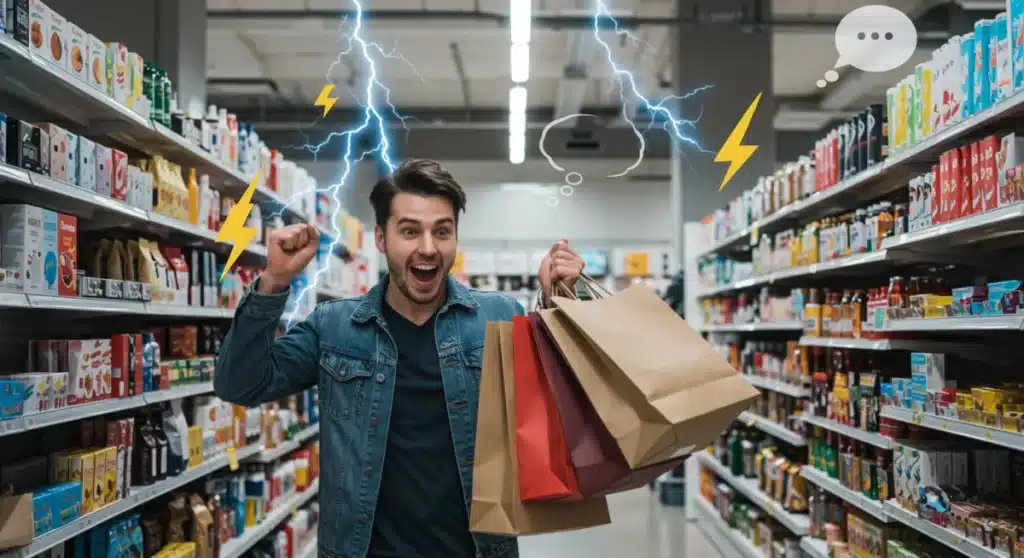
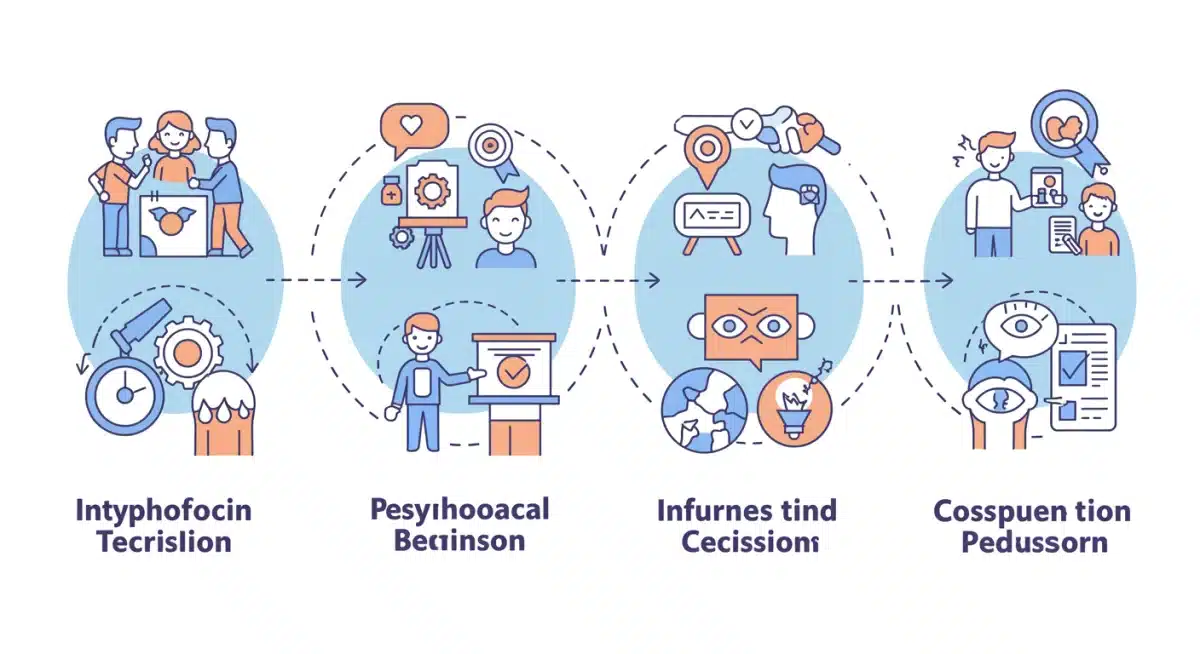
The four psychological triggers driving 2025 impulse purchases are scarcity, social proof, instant gratification, and emotional connection, profoundly influencing consumer behavior in dynamic retail environments.
Understanding the intricate dynamics behind consumer spending is paramount for any business aiming to thrive. In 2025, the landscape of retail will continue to evolve, making it essential to decode the underlying psychological triggers that drive impulse purchases. This article offers expert insights: decoding the 4 psychological triggers driving 2025 impulse purchases (insider knowledge), providing a strategic advantage for navigating the future of consumer behavior.
The Power of Perceived Scarcity
Perceived scarcity is a potent psychological trigger that compels consumers to act quickly, driven by the fear of missing out (FOMO). This principle leverages the human tendency to value items more when they are seen as rare or limited in availability. In 2025, retailers will increasingly refine their strategies to create authentic scarcity, moving beyond simple ‘limited stock’ messages to more sophisticated, data-driven approaches.
The effectiveness of scarcity lies in its ability to amplify the perceived value of a product. When consumers believe an item is in short supply, their desire for it intensifies, often leading to immediate purchase decisions. This mechanism taps into our innate competitive instincts and the psychological discomfort of potential loss.
Limited-Time Offers and Exclusive Drops
Retailers are mastering the art of limited-time offers and exclusive product drops to ignite urgency. These strategies are particularly effective in the digital realm, where social media can rapidly disseminate news of such events, creating a viral effect.
- Flash Sales: Short-duration sales with significant discounts, pressuring quick decisions.
- Pre-order Windows: Exclusive access to highly anticipated products for a limited period.
- Limited Editions: Products released in small quantities, enhancing their collectible appeal.
The success of these tactics hinges on their perceived authenticity. Consumers are savvy; they can quickly detect manufactured scarcity. Therefore, genuine limited availability, perhaps due to unique materials or artisan production, resonates more deeply.
The Fear of Missing Out (FOMO) in Action
FOMO is a powerful emotional driver that fuels impulse buying. It’s the anxiety that arises from the belief that others might be having rewarding experiences from which one is absent. In retail, this translates into consumers making purchases not necessarily out of immediate need, but to avoid the regret of missing a desirable product or deal.
Sophisticated analytics allow retailers to identify peak demand periods and tailor scarcity messages accordingly. By understanding when and why consumers are most susceptible to FOMO, businesses can optimize their promotional timing and messaging. This involves a delicate balance: creating enough urgency without alienating customers by appearing overly manipulative.
Ultimately, leveraging perceived scarcity and FOMO effectively requires a deep understanding of consumer psychology and a commitment to transparent communication. When done right, it can significantly boost conversion rates and foster a sense of excitement around product launches.
The Influence of Social Proof and Validation
Social proof, the psychological phenomenon where people assume the actions of others in an attempt to reflect correct behavior, remains a cornerstone of impulse purchasing. In an increasingly connected world, consumer decisions are heavily swayed by the opinions and choices of their peers, influencers, and the broader community. This trigger is about validation and reassurance, reducing the perceived risk of a purchase.
The concept is simple yet profoundly effective: if many people are buying or endorsing a product, it must be good. This collective affirmation provides a shortcut for decision-making, especially for impulse buys where extensive research is often forgone. Retailers in 2025 will continue to harness social proof through various digital and in-store channels.
User-Generated Content and Reviews
User-generated content (UGC) and customer reviews are incredibly powerful forms of social proof. Authentic testimonials, photos, and videos from real users build trust and provide relatable experiences that marketing campaigns often cannot replicate. Consumers often trust peer recommendations over traditional advertising.
- Product Reviews: Detailed feedback from verified buyers influencing potential customers.
- Social Media Mentions: Customers sharing their purchases and experiences on platforms like Instagram and TikTok.
- Testimonials: Direct quotes or stories highlighting positive product impact.
Encouraging and showcasing UGC is a vital strategy. Retailers actively solicit reviews and provide platforms for customers to share their experiences, understanding that these organic endorsements are gold in the battle for consumer attention and trust.
Influencer Marketing and Endorsements
Influencer marketing has evolved beyond celebrity endorsements, focusing on micro and nano-influencers who possess niche authority and genuine connections with their followers. These individuals, seen as authentic and trustworthy, can significantly sway purchasing decisions, particularly for impulse buys where emotional connection plays a role.
Collaborations with relevant influencers allow brands to tap into highly engaged communities. When an influencer genuinely recommends a product, their audience is more likely to view it favorably and make an immediate purchase, driven by the desire to emulate or trust the influencer’s judgment. This approach bypasses traditional advertising fatigue and speaks directly to targeted demographics.
The key to effective social proof lies in its authenticity and visibility. Retailers must make it easy for consumers to see what others are buying and saying, integrating reviews and social feeds directly into their shopping experiences, both online and in physical stores.
The Allure of Instant Gratification
Instant gratification, the desire to experience pleasure or fulfillment without delay, is a fundamental human drive that heavily influences impulse purchases. In a world accustomed to immediate access and rapid delivery, consumers have an increasingly low tolerance for waiting. Retailers who can satisfy this need for immediacy are poised to capture a significant share of impulse spending in 2025.
The digital age has amplified this psychological trigger. With a few clicks, products can be ordered and delivered within hours or days, making the waiting period almost negligible. This seamless transition from desire to ownership fuels the impulse to buy, as the reward is almost immediately attainable.
Seamless Purchasing Journeys
Optimizing the purchasing journey to be as quick and frictionless as possible is crucial. Any barrier or delay can disrupt the impulse and lead to abandoned carts. This includes streamlined checkout processes, one-click buying options, and efficient payment methods.
- Express Checkout: Minimizing steps required to complete a purchase.
- Buy Now, Pay Later (BNPL): Offering immediate ownership with deferred payment plans.
- In-store Pickup: Allowing online purchases to be collected almost instantly.
Technology plays a pivotal role in delivering instant gratification. Mobile commerce, in particular, caters to this need, enabling purchases anytime, anywhere, with minimal effort. The convenience offered by these platforms reinforces the behavior of making quick, unplanned buys.
Rapid Delivery and Accessibility
Beyond the purchase itself, the speed of delivery is a major component of instant gratification. Same-day or next-day delivery options have become standard expectations for many consumers, transforming logistics into a competitive advantage for retailers.
Physical retail also capitalizes on instant gratification through immediate product availability. The ability to walk into a store, select an item, and leave with it instantly satisfies the desire for quick ownership. This contrasts sharply with the waiting period associated with even the fastest online deliveries, offering a unique appeal to certain impulse shoppers.
The challenge for retailers is to continually innovate in speeding up both the purchasing process and product accessibility, ensuring that the gap between desire and fulfillment is as short as possible. This commitment to immediacy is a powerful driver for impulse purchases.
Cultivating Emotional Connection and Belonging
Emotional connection is a profound psychological trigger that transcends mere transactional interactions, fostering a deeper bond between consumers and brands. Impulse purchases are often driven by feelings, whether it’s joy, excitement, nostalgia, or the desire to belong. In 2025, successful retailers will be those who master the art of evoking these emotions, transforming products into experiences and brands into communities.
This trigger moves beyond the rational assessment of product features and benefits, tapping into the consumer’s subconscious desires and aspirations. When a product or brand resonates emotionally, it bypasses logical barriers, making impulse decisions more likely and more satisfying.
Storytelling and Brand Narratives
Compelling storytelling creates an emotional resonance that draws consumers in. Brands that share their values, origin stories, or impact on the world build a narrative that customers can connect with on a personal level. This narrative can elevate a simple product into something meaningful.
- Authentic Brand Stories: Sharing the journey, mission, and values of the brand.
- User Testimonials with Emotional Impact: Highlighting how products positively affect lives.
- Cause-Related Marketing: Aligning with social or environmental causes that resonate with consumers.
By crafting narratives that evoke empathy, inspiration, or a sense of shared purpose, retailers can forge powerful emotional links. These connections make consumers feel like they are part of something larger, encouraging them to support the brand through repeated purchases, including impulse buys.
Community Building and Personalization
Creating a sense of community around a brand can significantly enhance emotional connection and belonging. When consumers feel part of an exclusive group or a shared passion, their loyalty increases, and they are more prone to impulse purchases that reinforce their identity within that community.
Personalization also plays a crucial role. Tailoring product recommendations, communications, and even in-store experiences to individual preferences makes customers feel seen and valued. This bespoke approach strengthens the emotional bond, as consumers perceive the brand as understanding their unique needs and desires, leading to more spontaneous and satisfying purchases.
Ultimately, by focusing on genuine emotional connections and fostering a sense of belonging, retailers can cultivate a loyal customer base that is not only more inclined to make impulse purchases but also to become brand advocates, further amplifying their reach and influence.
The Role of Sensory Experience in Impulse Buying
The sensory experience is a powerful, often subconscious, trigger for impulse purchases, engaging consumers through sight, sound, smell, touch, and even taste. In 2025, retailers are increasingly orchestrating multi-sensory environments to create immersive shopping experiences that stimulate desires and encourage immediate buying decisions. This goes beyond mere aesthetics, delving into how physical and digital spaces can evoke emotions and prompt action.
Humans are inherently sensory beings; our brains are wired to respond to stimuli. A pleasant aroma, an appealing visual display, or a captivating sound can bypass rational thought and directly influence our emotional state, making us more receptive to spontaneous purchases. Retailers are leveraging this understanding to craft environments that are not just functional but also emotionally resonant.
Visual Merchandising and Store Layout
Effective visual merchandising is critical for capturing attention and stimulating desire. Attractive displays, strategic product placement, and inviting store layouts draw customers in and guide their purchasing journey. In 2025, this extends to digital interfaces, where intuitive design and high-quality imagery replicate the allure of physical displays.
- Eye-level Placement: Products placed at an easy-to-see and reach height.
- Thematic Displays: Grouping products to tell a story or suggest a lifestyle.
- Interactive Screens: Digital displays that allow customers to explore products virtually.
The layout of a store, whether physical or virtual, is meticulously designed to encourage exploration and discovery. Impulse items are often placed near checkout counters or high-traffic areas, capitalizing on moments of decision or waiting. Online, similar principles apply through curated product recommendations and visually appealing landing pages.
Aromas, Music, and Tactile Engagement
Beyond visuals, other sensory elements play a significant role. The strategic use of aromas can create a pleasant and memorable shopping atmosphere, influencing mood and purchase intent. Certain scents are known to evoke feelings of comfort, luxury, or excitement, subtly nudging consumers towards a purchase.
Music also impacts the shopping experience, with tempo and genre affecting how long customers linger and how much they spend. Upbeat music can encourage faster shopping, while softer tunes might promote a more relaxed, exploratory pace. Tactile engagement, allowing customers to touch and feel products, builds a stronger connection and reduces perceived risk, particularly for fashion or home goods.
By carefully curating the sensory environment, retailers can create a powerful, immersive experience that bypasses rational decision-making and directly appeals to emotional desires, leading to more frequent and higher-value impulse purchases.
Anticipating Future Impulse Purchase Trends
As we look towards 2025 and beyond, understanding the trajectory of impulse purchase trends is crucial for maintaining a competitive edge. The confluence of technological advancements, evolving consumer values, and global shifts will continue to reshape how and why people make spontaneous buying decisions. Retailers must be agile and forward-thinking, ready to adapt their strategies to these emerging dynamics.
The digital transformation of retail is far from complete, promising new avenues for impulse engagement. Simultaneously, a growing emphasis on ethical consumption and sustainability will introduce new considerations into the impulse buying equation, requiring brands to balance immediate gratification with long-term values.
AI-Driven Personalization and Predictive Analytics
Artificial intelligence (AI) and machine learning will revolutionize personalization, making impulse recommendations incredibly precise and timely. Predictive analytics will anticipate consumer desires even before they are fully formed, presenting highly relevant products at the opportune moment.
- Hyper-Personalized Feeds: AI-curated product suggestions based on browsing history and preferences.
- Contextual Offers: Real-time promotions triggered by location, weather, or current events.
- Voice Commerce Integration: Seamless impulse purchases through voice assistants.
This level of personalization will create a more intuitive and seemingly effortless shopping experience, blurring the lines between browsing and buying. The challenge for retailers will be to leverage these technologies without appearing intrusive or compromising consumer privacy.
Sustainability and Ethical Impulse Buying
A significant shift is underway towards more conscious consumption, even for impulse purchases. Consumers are increasingly seeking out brands that align with their values, prioritizing sustainability, ethical sourcing, and social responsibility. This means that an impulse buy in 2025 might not just be about immediate desire, but also about supporting a ‘good’ cause or making an environmentally friendly choice.
Retailers will need to integrate these values into their brand identity and product offerings, making it easy for consumers to make ethical impulse choices. Transparency about supply chains, eco-friendly packaging, and support for social initiatives will become powerful motivators, turning what might seem like a rational consideration into an emotional, value-driven impulse.
Anticipating these trends and proactively integrating them into retail strategies will be key to unlocking future growth in impulse purchases. The future of retail will reward those who can blend advanced technology with a deep understanding of evolving human values and desires.
Strategic Implementation for Retail Success
Translating these psychological insights into actionable strategies is paramount for retail success in 2025. Understanding the triggers is only the first step; effective implementation requires a holistic approach that integrates these principles across all touchpoints of the consumer journey. Retailers must move beyond isolated tactics to create a cohesive and compelling environment that naturally fosters impulse purchases.
This involves continuous analysis of consumer data, iterative testing of new approaches, and a commitment to adapting to feedback. The retail landscape is dynamic, and what works today might need refinement tomorrow. Agility and a customer-centric mindset are non-negotiable for sustained growth.
Integrating Triggers Across Channels
The most effective strategies will seamlessly integrate scarcity, social proof, instant gratification, and emotional connection across both online and offline channels. A consistent brand message and experience, regardless of where the customer interacts, reinforces these triggers.
- Omnichannel Consistency: Ensuring a unified brand experience across all platforms.
- Personalized Promotions: Delivering relevant offers based on past behavior and preferences.
- Engaging Store Experiences: Creating physical environments that encourage exploration and discovery.
For example, a limited-time offer communicated via email, reinforced by social media buzz, and available for immediate in-store pickup, leverages multiple triggers simultaneously. This creates a powerful incentive for an impulse purchase by reducing friction and amplifying desire.
Measuring Impact and Iterating Strategies
Crucially, retailers must establish robust mechanisms for measuring the impact of their impulse-driving strategies. Key performance indicators (KPIs) such as conversion rates, average order value, and customer lifetime value provide insights into what is working and what needs adjustment. Data analytics will be the backbone of this continuous improvement process.
A/B testing different messages, visual layouts, and promotional timings allows for data-driven optimization. This iterative approach ensures that strategies remain relevant and effective in a constantly evolving market. Retailers who embrace experimentation and learning will be best positioned to capitalize on impulse purchase opportunities.
Ultimately, strategic implementation is about creating an environment where impulse purchases feel natural, satisfying, and even beneficial to the consumer. By thoughtfully applying these psychological triggers, retailers can not only boost sales but also build stronger, more resilient relationships with their customer base.
| Key Trigger | Brief Description |
|---|---|
| Perceived Scarcity | Creates urgency by implying limited availability, leveraging FOMO. |
| Social Proof | Influences decisions through peer actions, reviews, and endorsements. |
| Instant Gratification | Satisfies the desire for immediate pleasure and ownership with minimal delay. |
| Emotional Connection | Fosters loyalty and spontaneous purchases through brand narratives and community. |
Frequently Asked Questions About Impulse Purchases
The primary driver is a combination of psychological triggers, with instant gratification and perceived scarcity playing significant roles. Consumers seek immediate fulfillment and fear missing out on desirable, limited items, leading to quick decisions.
Social proof influences impulse buying by validating a product’s appeal through peer reviews, influencer endorsements, and user-generated content. When others are seen purchasing or endorsing an item, it reduces perceived risk and encourages immediate action.
Absolutely. Emotional connection fosters a deeper bond between consumers and brands through compelling storytelling, shared values, and community building. This emotional resonance bypasses rational barriers, making customers more prone to spontaneous purchases.
Technology, particularly AI-driven personalization and seamless digital purchasing journeys, significantly enhances impulse buying. AI anticipates desires, while streamlined checkout and rapid delivery options satisfy the need for instant gratification.
Retailers can leverage these triggers by integrating them across all channels, optimizing purchasing journeys for speed, cultivating authentic scarcity, showcasing social proof, and building emotional connections through compelling brand narratives and personalized experiences.
Conclusion
The intricate dance between consumer psychology and retail strategy will only intensify in 2025. By deeply understanding and strategically applying the four core psychological triggers—perceived scarcity, social proof, instant gratification, and emotional connection—retailers can unlock significant opportunities for driving impulse purchases. Success in this evolving landscape hinges on a nuanced approach that blends advanced analytics with genuine human insight, ensuring that every interaction resonates with the modern consumer’s desires for immediacy, validation, and connection. Those who master these principles will not only boost sales but also build lasting brand loyalty in a competitive market.