Practical Solutions: Reduce Customer Churn by 5% in 3 Months

Achieving a 5% reduction in customer churn within three months is attainable for retail businesses by implementing targeted personalized engagement strategies that foster loyalty and address customer needs proactively.
In today’s competitive retail landscape, retaining customers is often more cost-effective than acquiring new ones. For businesses aiming for sustainable growth, finding practical solutions to reduce customer churn by 5% in just three months through personalized engagement is not merely a goal, but a strategic imperative. This article delves into actionable strategies designed to help retailers in the US strengthen customer relationships and significantly improve retention rates.
Understanding the roots of customer churn
Customer churn, or attrition, represents the percentage of customers who stop doing business with a company over a given period. Before implementing any solution, it is crucial to understand why customers leave. This involves a deep dive into customer behavior, feedback, and market trends.
Identifying the common culprits behind churn allows businesses to focus their efforts where they will have the most impact. Often, it’s not a single factor but a combination of issues that lead customers to seek alternatives.
Common reasons for customer attrition
Customers churn for a variety of reasons, ranging from dissatisfaction with products or services to better offers from competitors. Understanding these underlying causes is the first step toward developing effective retention strategies.
- Poor customer service: Inadequate support or unresolved issues can quickly lead to frustration and departure.
- Lack of perceived value: If customers don’t feel they are getting adequate value for their money, they are likely to look elsewhere.
- Better competitor offers: Aggressive pricing or superior product features from rivals can sway customer loyalty.
- Negative product/service experience: Technical glitches, low-quality products, or inconvenient service can drive customers away.
By systematically analyzing these factors through surveys, feedback forms, and direct communication, retailers can gain invaluable insights. This foundational understanding is critical for tailoring engagement strategies that truly resonate with their customer base and effectively reduce customer churn.
Leveraging data for personalized engagement
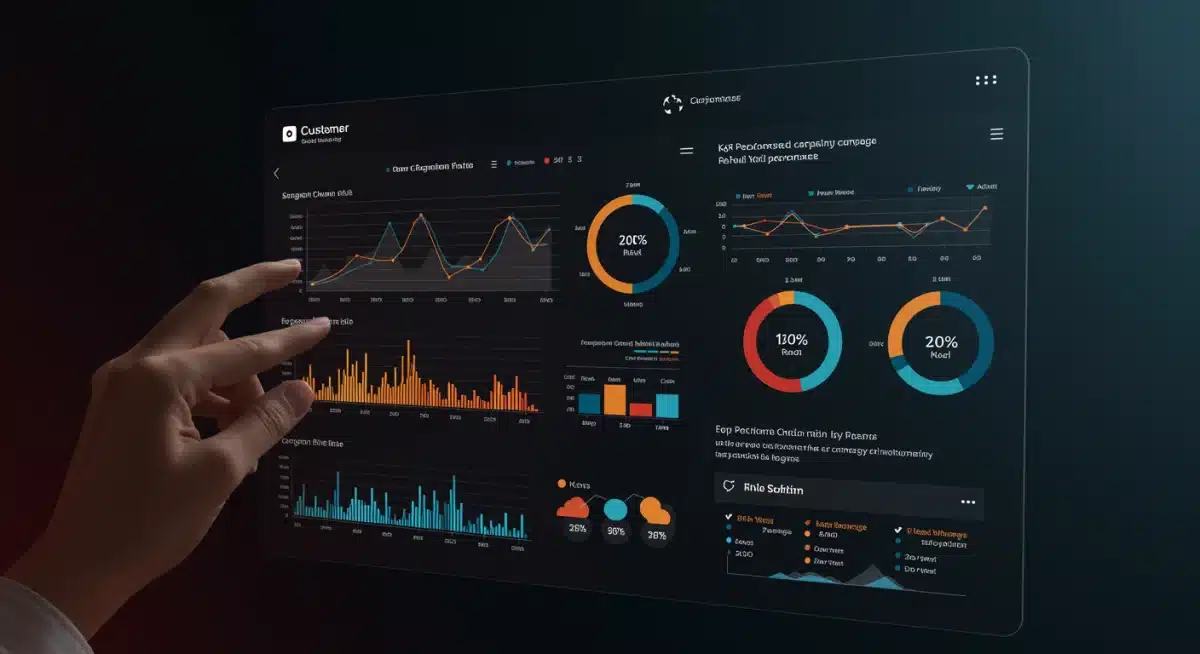
Personalization is at the heart of modern customer retention. Generic marketing messages no longer suffice; customers expect experiences tailored to their individual preferences and past interactions. Data analytics plays a pivotal role in making this personalization possible.
Collecting and analyzing customer data allows retailers to understand individual buying habits, preferences, and potential pain points. This information then informs targeted communication and offers, making customers feel valued and understood.

Implementing data-driven personalization
Effective data utilization goes beyond mere collection. It involves sophisticated analysis and the application of insights across all customer touchpoints. From email marketing to in-store interactions, personalization should be seamless and consistent.
- Behavioral segmentation: Group customers based on their purchasing history, browsing behavior, and engagement levels to create highly specific campaigns.
- Predictive analytics: Use AI and machine learning to forecast which customers are at risk of churning, allowing for proactive interventions.
- Real-time personalization: Deliver dynamic content and offers based on current user activity, enhancing relevance and timeliness.
This data-driven approach not only helps to reduce customer churn but also enhances the overall customer experience, leading to increased satisfaction and loyalty. Personalized recommendations, exclusive offers, and tailored content demonstrate that the retailer truly understands and values its customers.
Proactive communication and feedback loops
One of the most effective ways to prevent churn is through proactive communication. Don’t wait for customers to express dissatisfaction; reach out to them regularly, solicit feedback, and address potential issues before they escalate. This builds trust and shows customers that their opinions matter.
Establishing robust feedback loops ensures that customer insights are continuously collected, analyzed, and acted upon. This iterative process allows businesses to adapt and improve, directly addressing the concerns that might otherwise lead to churn.
Strategies for proactive engagement
Implementing a comprehensive communication strategy involves multiple channels and consistent messaging. The goal is to maintain an open dialogue with customers, ensuring they feel heard and supported throughout their journey.
- Post-purchase follow-ups: Send personalized emails or messages after a purchase to check satisfaction and offer assistance.
- Regular newsletters and updates: Keep customers informed about new products, promotions, and company news, making them feel part of the community.
- Customer satisfaction surveys (CSAT/NPS): Regularly gauge customer sentiment and identify areas for improvement.
- Dedicated customer service channels: Provide easy access to support through chat, phone, and email, ensuring quick resolution of issues.
By actively engaging with customers and responding to their feedback, retailers can significantly reduce customer churn. This continuous interaction helps to build stronger relationships and fosters a sense of loyalty that is difficult for competitors to break.
Building loyalty programs and exclusive offers
Loyalty programs are a tried-and-true method for encouraging repeat business and reducing churn. When designed effectively, these programs provide tangible benefits that make customers feel rewarded for their continued patronage. Exclusive offers further enhance this sense of value and appreciation.
The key is to create programs that are easy to understand, offer desirable rewards, and are genuinely valuable to the customer. A poorly designed loyalty program can do more harm than good, leading to frustration rather than retention.
Designing impactful loyalty initiatives
A successful loyalty program should be integrated into the overall customer experience, becoming an organic part of their interaction with the brand. It should not feel like an afterthought, but a core component of the value proposition.
- Tiered rewards: Offer escalating benefits as customers achieve higher loyalty tiers, motivating them to spend more and stay engaged.
- Personalized rewards: Tailor rewards based on individual purchasing history and preferences, making them more appealing.
- Exclusive access: Provide early access to sales, new products, or special events for loyalty program members.
- Surprise and delight: Occasionally offer unexpected perks or discounts to loyal customers, creating memorable positive experiences.
These initiatives not only incentivize repeat purchases but also foster an emotional connection between the customer and the brand. This emotional bond is a powerful deterrent to churn, making customers less likely to switch to competitors.
Enhancing the customer experience across all touchpoints
A seamless and positive customer experience across all touchpoints is fundamental to reducing churn. From the initial website visit to post-purchase support, every interaction shapes a customer’s perception of the brand. Inconsistencies or frustrations at any stage can lead to dissatisfaction and eventual churn.
Retailers must conduct a thorough audit of their customer journey, identifying potential friction points and opportunities for improvement. This holistic approach ensures that the customer experience is consistently excellent, fostering loyalty and trust.
Optimizing the customer journey
Improving the customer journey requires attention to detail and a commitment to continuous improvement. It involves everything from website design to in-store ambiance and the efficiency of customer service.
- Streamlined online experience: Ensure website navigation is intuitive, purchasing processes are simple, and mobile compatibility is flawless.
- Consistent brand messaging: Maintain a unified brand voice and image across all channels, both online and offline.
- Knowledgeable and empathetic staff: Train employees to provide exceptional service, resolving issues efficiently and courteously.
- Personalized in-store experiences: Use data to inform in-store recommendations and interactions, mirroring the online personalization efforts.
By creating a consistently positive and cohesive customer experience, retailers can significantly reduce customer churn. When customers feel valued and supported at every turn, they are far more likely to remain loyal to the brand.
Measuring impact and continuous improvement
To ensure that retention efforts are effective, it is crucial to continually measure their impact and iterate on strategies. Setting clear key performance indicators (KPIs) and regularly tracking progress allows businesses to identify what is working and what needs adjustment. This data-driven approach to improvement is essential for sustained churn reduction.
Without proper measurement, even the most well-intentioned strategies can fall short. Continuous monitoring and adaptation are the hallmarks of a successful churn reduction program.
Key metrics for churn reduction
Tracking the right metrics provides a clear picture of the health of customer relationships and the effectiveness of retention initiatives. These metrics should be reviewed regularly to inform strategic decisions.
- Churn rate: The primary metric, calculated as the number of lost customers divided by the total number of customers at the beginning of the period.
- Customer Lifetime Value (CLTV): Measures the total revenue a business can reasonably expect from a single customer account during their relationship.
- Repeat purchase rate: The percentage of customers who make more than one purchase within a specific timeframe.
- Net Promoter Score (NPS): Measures customer loyalty by asking how likely they are to recommend the company to others.
Regularly analyzing these metrics allows retailers to understand the return on investment of their retention efforts and make informed decisions. This iterative process of measurement, analysis, and adjustment is fundamental to achieving and maintaining a low churn rate, helping businesses to reduce customer churn effectively over time.
| Key Strategy | Brief Description |
|---|---|
| Personalized Engagement | Tailoring interactions and offers to individual customer preferences based on data analysis. |
| Proactive Communication | Regularly reaching out to customers, seeking feedback, and addressing potential issues before they arise. |
| Loyalty Programs | Implementing reward systems and exclusive benefits to incentivize repeat purchases and foster brand loyalty. |
| Customer Experience | Ensuring seamless and positive interactions across all customer touchpoints, online and offline. |
Frequently asked questions about churn reduction
Customer churn refers to the rate at which customers stop doing business with a company. Reducing it is crucial because retaining existing customers is generally more cost-effective than acquiring new ones, directly impacting profitability and long-term business growth. It signifies customer satisfaction and loyalty.
Personalized engagement makes customers feel valued and understood by tailoring communications, offers, and experiences to their individual preferences and behaviors. This fosters a stronger emotional connection to the brand, increasing satisfaction and making them less likely to leave.
Data is fundamental. By analyzing customer data, businesses can identify behavioral patterns, predict potential churn risks, and understand individual needs. This insight allows for proactive, targeted interventions and highly relevant personalized strategies to retain customers effectively.
Quick wins include implementing targeted win-back campaigns for recently churned customers, enhancing post-purchase follow-ups with personalized offers, and launching a rapid feedback collection system to address immediate pain points. Focused efforts yield fast results.
Loyalty programs reward customers for their continued business, providing incentives for repeat purchases and fostering a sense of belonging. By offering exclusive benefits and personalized rewards, they strengthen customer commitment and make switching to competitors less appealing.
Conclusion
Reducing customer churn by 5% in three months is an ambitious yet achievable goal for retailers committed to implementing strategic, personalized engagement. By deeply understanding customer needs, leveraging data for tailored experiences, fostering proactive communication, and building robust loyalty programs, businesses can significantly strengthen their customer relationships. The continuous focus on enhancing the overall customer journey, coupled with diligent measurement and adaptation, ensures that these efforts translate into tangible results, driving both retention and sustained growth in the dynamic retail market.