Gen Z’s 2025 Impact: Redefining Retail Priorities
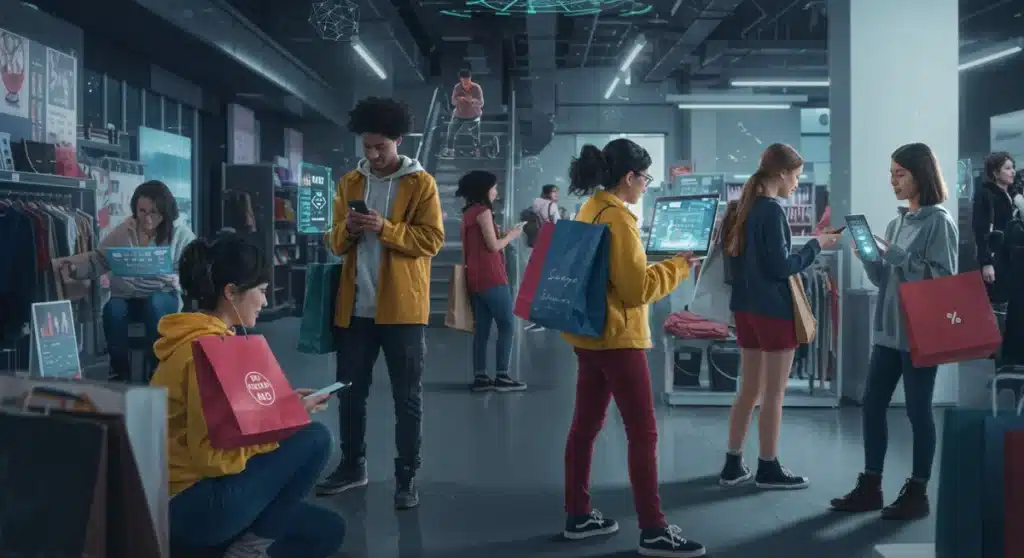
By 2025, Gen Z’s 15% surge in spending power will profoundly redefine retail priorities, pushing brands towards greater authenticity, sustainable practices, and seamless digital experiences, requiring immediate strategic adaptation.
The retail landscape is on the cusp of a significant transformation, driven largely by the evolving preferences and burgeoning economic influence of Generation Z. As we approach 2025, it’s becoming increasingly clear that
Understanding Gen Z’s Economic Ascent
Gen Z, generally defined as individuals born between the late 1990s and early 2010s, is rapidly transitioning from a demographic with nascent purchasing power to a dominant force in the global economy. Their entry into the workforce and subsequent accumulation of disposable income are creating a seismic shift in consumer behavior, compelling retailers to re-evaluate long-standing strategies.
By 2025, projections indicate a substantial 15% increase in Gen Z’s spending power. This isn’t merely about more money; it’s about a generation with distinct values and expectations that are fundamentally different from their predecessors. Their digital native upbringing has shaped their approach to consumption, demanding transparency, authenticity, and social responsibility from the brands they choose to support.
The Digital-Native Advantage
Unlike previous generations, Gen Z has never known a world without the internet or smartphones. This inherent digital fluency translates into a preference for seamless online experiences, personalized interactions, and an expectation of instant gratification. Retailers ignoring this foundational aspect do so at their peril.
- Pervasive social media influence on purchasing decisions.
- Preference for mobile-first shopping experiences.
- Expectation of personalized recommendations and offers.
- Demand for quick and efficient delivery options.
The economic ascent of Gen Z represents more than just a demographic shift; it signifies a fundamental reordering of retail priorities. Businesses must move beyond superficial attempts to engage this generation and instead embed their values and digital behaviors into the core of their operations. Understanding their economic power is the first step towards building resilient and relevant retail strategies for the future.
The Authenticity Imperative: Beyond Marketing Slogans
For Gen Z, authenticity is not a buzzword; it’s a non-negotiable criterion for brand loyalty. This generation possesses a highly developed BS detector, honed by years of navigating digital content and influencer culture. They seek genuine connections and stories that resonate with their personal values, rather than polished corporate narratives.
Brands that demonstrate genuine commitment to their stated values, whether it’s sustainability, ethical sourcing, or social justice, are the ones that capture Gen Z’s attention and wallets. This means moving beyond performative marketing to actual, verifiable actions. Retailers are finding that transparency in supply chains, honest communication, and real-world impact are far more powerful than any advertising campaign.
Building Trust Through Transparency
Transparency is the cornerstone of authenticity for Gen Z. They want to know where products come from, how they are made, and what impact their purchases have on the world. This extends to brand ethics, labor practices, and environmental footprint.
- Clear communication about product origins and materials.
- Openness regarding company values and social initiatives.
- Accessible information about sustainability efforts.
- Engagement with customer feedback and concerns.
Retailers must cultivate environments where trust can flourish. This involves not only being transparent but also being consistent in messaging and actions across all touchpoints. The authenticity imperative means that brands must truly embody the values they espouse, as Gen Z is quick to call out inconsistencies and will shift their loyalty accordingly.
Sustainability and Ethical Consumption: A Core Expectation
Gen Z is arguably the most environmentally conscious generation to date, having grown up witnessing the escalating impacts of climate change and social inequalities. Their purchasing decisions are heavily influenced by a brand’s commitment to sustainability and ethical practices, viewing these not as optional extras, but as fundamental responsibilities.
This translates into a preference for products that are eco-friendly, responsibly sourced, and produced under fair labor conditions. They are willing to pay a premium for brands that align with their values, and conversely, they will actively boycott those perceived as harmful or unethical. The retail sector must integrate sustainability into its core operations, from product design to packaging and logistics.
Circular Economy and Conscious Choices
The concept of a circular economy resonates strongly with Gen Z. They are interested in products that are designed for durability, repairability, and recyclability, favoring brands that offer take-back programs, resale options, and rental services. This shift challenges the traditional linear model of consumption.


Retailers are responding by investing in sustainable materials, reducing waste, and promoting ethical supply chains. This isn’t just good for the planet; it’s good business. Brands that fail to adapt risk alienating a significant portion of their future customer base.
- Preference for brands with clear environmental policies.
- Support for products made from recycled or upcycled materials.
- Demand for ethical labor practices throughout the supply chain.
- Interest in product longevity and repair services.
Ultimately, sustainability and ethical consumption are no longer niche concerns but mainstream expectations for Gen Z. Retailers who embrace these principles wholeheartedly will not only attract this powerful demographic but also contribute to a more responsible and resilient future for the industry.
Digital Integration and Seamless Experiences
Gen Z’s native fluency with digital technologies has set a new benchmark for retail experiences. They expect seamless integration between online and offline channels, personalized interactions, and intuitive user interfaces. The distinction between physical and digital shopping is increasingly blurred for this generation, who move fluidly between both.
This means that retailers must invest in robust e-commerce platforms, mobile optimization, and innovative in-store technology. The goal is to create an omnichannel experience that caters to their desire for convenience, speed, and personalized engagement. From social commerce to augmented reality shopping, the digital realm is central to Gen Z’s retail journey.
The Rise of Social Commerce and Experiential Retail
Social media platforms are not just for connecting; they are powerful shopping destinations for Gen Z. Influencer marketing, live shopping events, and direct purchasing through social apps are integral to their discovery and buying process. Simultaneously, physical stores must offer unique, Instagrammable experiences that go beyond mere transactions.
Retailers are transforming their physical spaces into experiential hubs, offering workshops, events, and interactive displays that encourage engagement and social sharing. This blend of digital convenience and immersive physical experiences is key to capturing Gen Z’s attention.
- Integrated social media shopping features.
- Personalized recommendations driven by AI and data.
- Augmented reality (AR) and virtual try-on experiences.
- Click-and-collect and curbside pickup options.
The imperative for digital integration extends beyond just having an online store. It requires a holistic approach to customer engagement that leverages technology to create frictionless, personalized, and memorable experiences across all touchpoints, catering directly to the digital expectations of Gen Z.
Personalization and Community Building
Gen Z values individuality and self-expression, yet simultaneously seeks belonging within communities that share their interests and values. This dual desire translates into a demand for highly personalized shopping experiences and opportunities to connect with brands and fellow consumers on a deeper level.
Retailers must move beyond generic marketing to deliver tailored product recommendations, customized offers, and content that speaks directly to individual preferences. Furthermore, fostering a sense of community around their brand, whether through online forums, loyalty programs, or exclusive events, can significantly enhance engagement and loyalty among Gen Z consumers.
Data-Driven Personalization and Micro-Communities
Leveraging data analytics is crucial for effective personalization. Retailers can use insights from past purchases, browsing history, and social media activity to create highly relevant and timely communications. This data-driven approach allows for dynamic content and product curation that feels genuinely responsive to the individual.
Beyond individual personalization, brands are also focusing on building micro-communities. These can be online groups, fan clubs, or loyalty tiers that offer exclusive access, content, or experiences, fostering a sense of belonging and shared identity among like-minded consumers.
- Customized product recommendations based on browsing history.
- Exclusive discounts and promotions for loyalty members.
- Interactive online platforms for community engagement.
- User-generated content campaigns that empower customers.
The combination of deep personalization and robust community building is a powerful strategy for retailers seeking to connect with Gen Z. By making consumers feel seen, understood, and part of something larger, brands can cultivate enduring relationships that transcend mere transactional exchanges.
The Future Retail Landscape: Adapting to Gen Z’s Influence
The increased spending power of Gen Z by 2025 is not merely a financial statistic; it’s a clear signal for the profound evolution of the retail sector. Brands that thrive in this new era will be those that not only understand Gen Z’s values but actively integrate them into their operational DNA. This means a continuous commitment to innovation, ethical practices, and customer-centricity.
The future of retail will be characterized by agility and responsiveness, with businesses constantly adapting to the fast-changing preferences of this dynamic demographic. Success will hinge on the ability to build trust through transparency, champion sustainability, deliver seamless digital-physical experiences, and foster authentic connections.
Strategic Imperatives for Retailers
To navigate this shift successfully, retailers must focus on several key strategic imperatives. These include investing in advanced data analytics to understand consumer behavior, adopting agile development cycles for new products and services, and empowering employees to embody brand values at every customer touchpoint.
Furthermore, fostering a culture of continuous learning and experimentation will be vital. What works today may not work tomorrow, and brands must be prepared to pivot and innovate quickly to stay relevant in a market shaped by Gen Z’s evolving demands.
- Prioritize investment in data analytics and AI for insights.
- Develop flexible supply chains that support ethical sourcing.
- Create immersive and interactive retail experiences.
- Empower employees as brand advocates.
In conclusion, the influence of Gen Z by 2025 will reshape retail in fundamental ways. Those who embrace this transformation with genuine effort and strategic foresight will unlock significant opportunities, building brands that are not only profitable but also deeply resonant with the values of the next generation of consumers.
| Key Aspect | Brief Description |
|---|---|
| Increased Spending Power | Gen Z’s economic influence projected to rise by 15% by 2025, fundamentally altering market dynamics. |
| Authenticity Demand | This generation prioritizes genuine brand values, transparency, and ethical actions over superficial marketing. |
| Sustainability Focus | Strong preference for eco-friendly products, ethical sourcing, and circular economy practices. |
| Digital Integration | Expectation of seamless omnichannel experiences, mobile-first design, and social commerce. |
Frequently Asked Questions About Gen Z’s Retail Impact
Gen Z values authenticity, sustainability, and digital integration. They seek genuine brand connections, ethical products, and seamless omnichannel shopping experiences, often influenced by social media and personalized content.
By 2025, Gen Z’s spending power is projected to increase by 15%, forcing retailers to prioritize digital fluency, ethical practices, and authentic brand storytelling to capture and retain this influential consumer group.
Authenticity is crucial because Gen Z is highly discerning and values transparency. They expect brands to genuinely embody their stated values, from ethical sourcing to social responsibility, and will disengage from perceived inauthenticity.
Sustainability is a core expectation, not an option. Gen Z actively seeks eco-friendly, responsibly produced goods and supports brands committed to reducing environmental impact and promoting fair labor practices, often willing to pay more.
Retailers should offer seamless omnichannel experiences, integrate social commerce, provide personalized content, and create engaging in-store experiences. Building communities and leveraging user-generated content also fosters stronger connections with Gen Z.
Conclusion
The impending shift driven by Gen Z’s increased spending power in 2025 is more than just a passing trend; it’s a fundamental recalibration of retail priorities. This generation, with its distinct values of authenticity, sustainability, and digital fluency, is actively shaping a new paradigm for consumer engagement. Retailers who proactively embrace these demands, fostering genuine connections and operating with transparent, ethical practices, will be best positioned to thrive. The future of retail is not just about selling products, but about building relationships rooted in shared values and seamless experiences, tailored for the digital-native generation.