Federal Environmental Regulations 2025: Retail Green Compliance
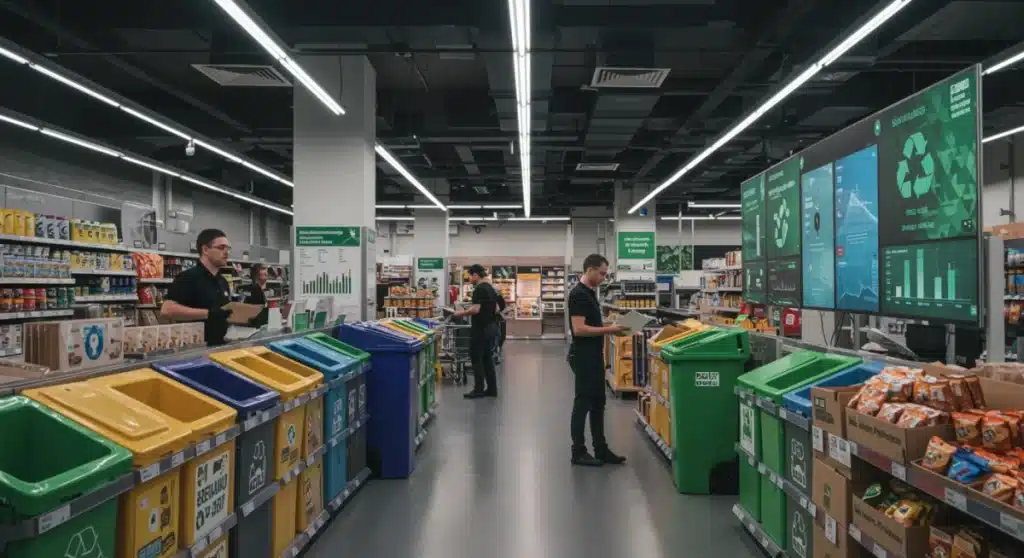
The upcoming Federal Environmental Regulations for Retail Operations in 2025: Reducing Waste and Ensuring Green Compliance by Q4 will significantly impact retail businesses, necessitating comprehensive waste reduction strategies and stringent adherence to new federal mandates to avoid penalties.
The retail sector is on the cusp of a transformative period, with new Federal Environmental Regulations for Retail Operations in 2025: Reducing Waste and Ensuring Green Compliance by Q4 poised to redefine operational standards. These regulations aren’t just about avoiding fines; they represent a fundamental shift towards more sustainable business practices. Understanding and proactively adapting to these changes will be crucial for retailers nationwide, ensuring not only compliance but also fostering a more environmentally responsible industry.
Understanding the Scope of New Federal Environmental Regulations
The impending federal environmental regulations for retail operations in 2025 are comprehensive, targeting various aspects of a retailer’s environmental footprint. These new mandates aim to standardize sustainability efforts across the United States, pushing businesses to adopt more eco-friendly practices from supply chain to consumer interaction.
Retailers must prepare for a multi-faceted approach from regulatory bodies, focusing on areas such as waste management, energy consumption, and product lifecycle responsibility. The goal is to create a more circular economy, minimizing waste and maximizing resource efficiency. This will require significant investment in new technologies, training, and a re-evaluation of existing operational procedures.
Key Regulatory Pillars for 2025
The core of the 2025 regulations rests on several critical pillars designed to foster environmental stewardship.
- Waste Diversion Targets: Mandatory targets for diverting waste from landfills, emphasizing recycling, composting, and reuse.
- Packaging Standards: Stricter guidelines on product packaging, promoting recyclable, compostable, or reusable materials.
- Energy Efficiency Mandates: Requirements for reducing energy consumption in retail facilities, possibly including renewable energy integration.
- Chemical Management: Enhanced oversight on the use and disposal of hazardous materials within retail operations.
These pillars collectively form the framework that retailers must navigate to achieve compliance. Understanding each component is the first step towards developing an effective response strategy.
The implications extend beyond just environmental benefits, touching upon brand reputation, operational costs, and consumer loyalty. Businesses that embrace these changes early are likely to gain a competitive advantage in a market increasingly valuing sustainability. The regulations are not merely punitive; they are designed to incentivize innovation and responsible business conduct.
Strategies for Effective Waste Reduction in Retail
Reducing waste is at the heart of the 2025 federal environmental regulations, and retailers will need robust strategies to meet these new demands. This goes beyond simply putting out recycling bins; it requires a systemic approach to waste generation and management throughout the entire retail lifecycle.
From product sourcing to end-of-life management, every stage presents an opportunity for waste reduction. Retailers should conduct thorough waste audits to identify key areas of improvement and develop targeted programs. This might involve renegotiating terms with suppliers, redesigning packaging, or implementing in-store recycling initiatives.
Implementing Circular Economy Principles
A fundamental shift towards circular economy principles will be essential for significant waste reduction. This involves moving away from a linear ‘take-make-dispose’ model to one that prioritizes resource longevity and regeneration.
- Product Design for Durability: Encouraging manufacturers to design products that last longer and are easier to repair.
- Reuse and Refill Programs: Developing systems for customers to reuse containers or refill products in-store.
- Material Recovery: Investing in advanced recycling technologies and processes to recapture valuable materials.
- Donation and Repurposing: Establishing partnerships with charities or organizations to repurpose unsold or gently used items.
These initiatives not only reduce waste but also create new revenue streams and enhance customer engagement. The focus on a circular economy is not just a trend but a necessary evolution for sustainable retail.
Retailers should also explore innovative technologies, such as AI-powered waste sorting systems or inventory management software that minimizes spoilage. Employee training and customer education will also play a crucial role in the successful implementation of these waste reduction strategies, fostering a collective responsibility towards environmental goals.
Navigating Packaging and Supply Chain Compliance
The 2025 federal regulations place a significant emphasis on sustainable packaging and responsible supply chain management. Retailers will be held accountable not only for their own operations but also for the environmental impact of the products they sell and how those products arrive at their stores.
This necessitates a close collaboration with suppliers to ensure that packaging materials meet federal standards for recyclability, biodegradability, or compostability. Retailers may need to re-evaluate their entire supply chain, from raw material extraction to final product delivery, to identify and mitigate environmental risks.
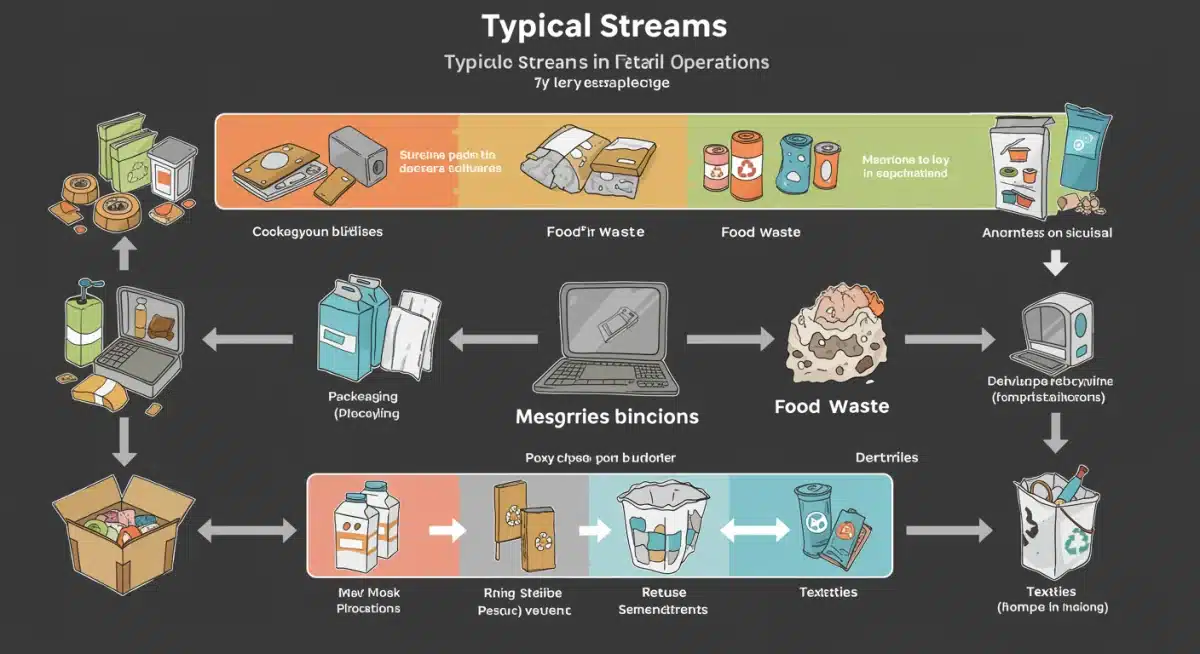
Sustainable Packaging Innovations
The shift towards sustainable packaging will require embracing new materials and designs. This includes exploring alternatives to single-use plastics and optimizing packaging to reduce material usage without compromising product integrity.
- Recycled Content Mandates: Regulations may require a minimum percentage of recycled content in packaging.
- Biodegradable and Compostable Options: Increased use of materials that naturally decompose without leaving harmful residues.
- Packaging Optimization: Designing packaging to be lighter, smaller, and more efficient for transport, reducing carbon footprint.
- Reusable Packaging Systems: Implementing closed-loop systems where packaging is returned, cleaned, and reused.
These innovations are not just about compliance; they offer opportunities for cost savings through reduced material usage and improved logistics. Furthermore, consumers are increasingly prioritizing brands that demonstrate a commitment to sustainable packaging.
Beyond packaging, retailers must also assess the environmental practices of their suppliers. This involves conducting due diligence, requesting certifications, and potentially implementing supplier codes of conduct that align with the new federal regulations. Transparency throughout the supply chain will be key to ensuring comprehensive compliance.
Energy Efficiency and Renewable Integration for Retailers
Another significant aspect of the Federal Environmental Regulations for Retail Operations in 2025: Reducing Waste and Ensuring Green Compliance by Q4 focuses on energy consumption. Retailers are major energy users, and federal mandates will push for substantial reductions in energy footprints and an increased adoption of renewable energy sources.
This involves more than just switching off lights; it requires a holistic approach to energy management, from building design and HVAC systems to refrigeration and lighting. Retailers should consider energy audits to identify inefficiencies and prioritize investments in energy-saving technologies.
Pathways to Reduced Energy Consumption
Achieving energy efficiency involves a combination of technological upgrades, operational changes, and strategic planning. The goal is to minimize energy waste and maximize the use of cleaner energy sources.
- LED Lighting Upgrades: Replacing traditional lighting with energy-efficient LED systems.
- Smart HVAC Systems: Implementing intelligent heating, ventilation, and air conditioning systems that optimize energy use based on occupancy and external conditions.
- Renewable Energy Adoption: Investing in solar panels, wind turbines, or purchasing renewable energy credits to offset conventional energy use.
- Building Envelope Improvements: Enhancing insulation, windows, and roofing to reduce heat loss or gain.
These measures not only contribute to environmental compliance but also lead to significant long-term operational cost savings. The initial investment can often be recouped through reduced utility bills and potential tax incentives for green infrastructure.
Furthermore, integrating renewable energy sources can enhance a retailer’s public image and appeal to environmentally conscious consumers. Demonstrating a commitment to clean energy can be a powerful differentiator in a competitive market. Retailers should explore various financing options and government programs available to support these transitions.
Reporting and Transparency Requirements in 2025
The new federal environmental regulations will undoubtedly bring stricter reporting and transparency requirements for retail operations. Businesses will be expected to accurately track and report their environmental performance, demonstrating their adherence to waste reduction targets and green compliance mandates.
This will necessitate robust data collection systems and clear, verifiable methodologies for measuring environmental impact. Retailers should prepare to invest in software solutions and trained personnel capable of handling these new reporting obligations. Transparency will be key, as regulatory bodies and consumers alike will demand clear evidence of sustainability efforts.
Key Reporting Metrics and Public Disclosure
The scope of reporting will likely cover a wide array of environmental indicators, providing a comprehensive overview of a retailer’s ecological footprint.
- Waste Diversion Rates: Detailed reporting on the percentage of waste diverted from landfills through recycling, composting, and reuse.
- Carbon Footprint: Measurement and disclosure of greenhouse gas emissions from operations and supply chain.
- Energy Consumption: Reporting on total energy usage and the proportion derived from renewable sources.
- Water Usage: Tracking and reporting on water consumption in retail facilities.
Public disclosure of these metrics will become increasingly common, with consumers using this information to make purchasing decisions. Retailers that embrace transparency and demonstrate genuine progress will build greater trust and loyalty.
Beyond compliance, accurate reporting can also serve as a valuable internal tool for identifying areas for further improvement and tracking progress towards sustainability goals. Developing a clear communication strategy for these reports will be vital, ensuring that stakeholders understand the efforts being made towards green compliance.
Preparing for Audits and Avoiding Penalties
With the introduction of the Federal Environmental Regulations for Retail Operations in 2025: Reducing Waste and Ensuring Green Compliance by Q4, retailers must be acutely aware of the increased likelihood of environmental audits and the potential for significant penalties for non-compliance. Proactive preparation is not just advisable; it’s essential.
Establishing clear internal protocols, comprehensive documentation, and regular self-audits will be critical to navigating this new regulatory landscape successfully. Ignorance of the law will not be an excuse, and federal agencies will likely enforce these new regulations rigorously to achieve their environmental objectives.
Compliance Best Practices and Risk Mitigation
To effectively prepare for audits and mitigate the risk of penalties, retailers should implement a systematic approach to compliance. This involves legal review, operational adjustments, and continuous monitoring.
- Legal Counsel Review: Engaging environmental law experts to interpret regulations and ensure internal policies align.
- Employee Training Programs: Educating all staff on new procedures, waste sorting, energy conservation, and reporting requirements.
- Documentation and Record-Keeping: Maintaining meticulous records of all waste management activities, energy consumption, and compliance efforts.
- Internal Audit Schedule: Conducting regular internal checks to identify potential non-compliance issues before external audits occur.
- Contingency Planning: Developing action plans for addressing any identified non-compliance issues promptly and effectively.
Avoiding penalties goes beyond mere adherence; it involves demonstrating a genuine commitment to environmental stewardship. Retailers who can showcase a proactive and continuous effort towards green compliance will be better positioned during audits.
The financial implications of non-compliance can be severe, including hefty fines, legal fees, and reputational damage. Therefore, investing in robust compliance frameworks and expert guidance is a prudent business decision that safeguards both the environment and the bottom line.
| Key Aspect | Description for 2025 Regulations |
|---|---|
| Waste Reduction | Mandatory targets for waste diversion, emphasizing recycling, composting, and reuse. |
| Packaging Standards | Stricter guidelines promoting recyclable, compostable, or reusable materials in product packaging. |
| Energy Efficiency | Requirements for reducing energy consumption in retail facilities and integrating renewable sources. |
| Reporting & Audits | Enhanced transparency and documentation needed for compliance reporting and federal audits. |
Frequently Asked Questions About 2025 Retail Environmental Regulations
The primary goals are to significantly reduce waste, promote sustainable packaging, enhance energy efficiency, and foster overall green compliance across the retail sector in the United States. These regulations aim to minimize environmental impact and encourage a more circular economy.
Daily operations will be affected by mandatory waste diversion targets, requiring retailers to implement advanced recycling, composting, and reuse programs. This will necessitate changes in waste handling procedures, employee training, and potentially new infrastructure for waste separation.
Product packaging will face stricter guidelines, encouraging the use of recyclable, compostable, or reusable materials. Retailers may need to collaborate with suppliers to redesign packaging, potentially incorporating recycled content mandates and optimizing designs for reduced material usage.
Non-compliance can lead to significant penalties, including substantial fines, legal action, and damage to brand reputation. Federal agencies are expected to enforce these regulations rigorously, making proactive compliance and robust documentation essential for retailers.
Retailers should prepare by conducting waste and energy audits, investing in sustainable technologies, training staff, establishing robust data collection and reporting systems, and seeking legal counsel to ensure all operations align with the new federal mandates.
Conclusion
The upcoming Federal Environmental Regulations for Retail Operations in 2025: Reducing Waste and Ensuring Green Compliance by Q4 represent a pivotal moment for the retail industry. These mandates are not mere suggestions but a clear call to action for businesses to embed sustainability into their core operations. Embracing these changes proactively offers more than just compliance; it presents an opportunity for innovation, cost savings, enhanced brand reputation, and a stronger connection with an increasingly environmentally conscious consumer base. Retailers who strategically adapt to these regulations will not only ensure their longevity but also contribute significantly to a more sustainable future.