Federal Enforcement Actions: Retailer Compliance Lessons
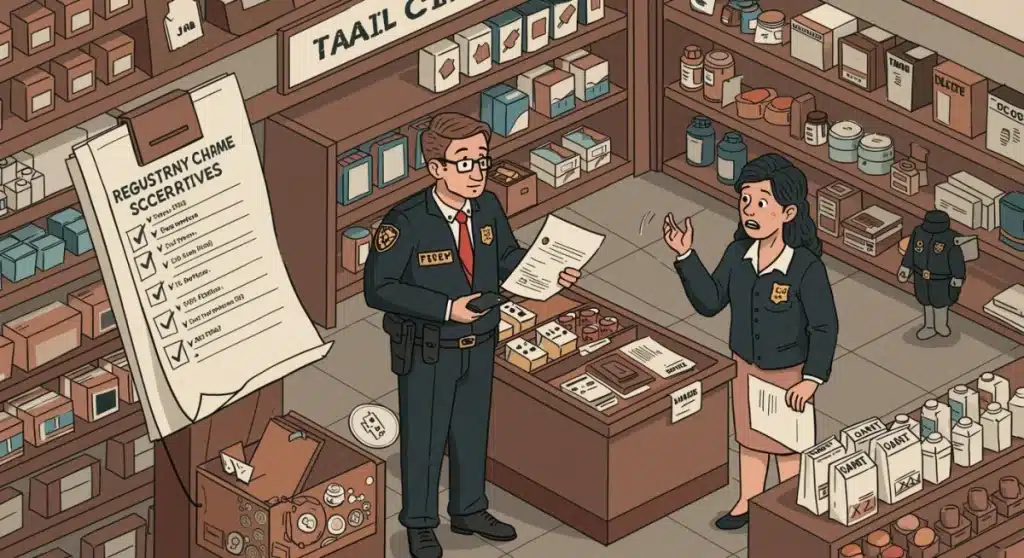
Federal enforcement actions against retailers in the last 120 days reveal critical non-compliance patterns, underscoring the urgent need for robust regulatory adherence and proactive risk mitigation strategies across the retail sector.
The retail landscape is a dynamic and intricate environment, constantly evolving with consumer demands and technological advancements. However, beneath the surface of innovation and competition lies a bedrock of regulations designed to protect consumers, ensure fair competition, and uphold ethical business practices. In the past 120 days, a flurry of recent federal enforcement actions against retailers for non-compliance: lessons learned in the last 120 days has brought this regulatory scrutiny into sharp focus, serving as a stark reminder that even the most established retailers are not immune to federal oversight. Understanding these actions and extracting actionable insights is paramount for any retailer aiming to thrive in today’s complex market. This article will dissect these critical developments, offering a comprehensive look at the implications and providing a roadmap for enhanced compliance.
Understanding the Regulatory Landscape for Retailers
The regulatory environment for retailers in the United States is a multifaceted web, encompassing various federal agencies, each with its own jurisdiction and enforcement powers. From consumer protection to product safety, advertising truthfulness to data privacy, retailers must navigate a labyrinth of rules that can significantly impact their operations and bottom line. These regulations are not static; they are continually updated and expanded to address new challenges and technologies, making continuous monitoring and adaptation essential for compliance.
Key federal agencies involved in retail oversight include the Federal Trade Commission (FTC), which champions consumer protection and fair competition; the Consumer Product Safety Commission (CPSC), dedicated to ensuring product safety; the Food and Drug Administration (FDA), overseeing product labeling and safety for food, drugs, and cosmetics; and the Department of Justice (DOJ), which may become involved in cases of significant fraud or criminal violations. Each agency wields considerable power, capable of imposing hefty fines, mandating product recalls, and even pursuing legal action that can severely damage a retailer’s reputation and financial stability.
The Role of the Federal Trade Commission (FTC)
The FTC is arguably one of the most prominent federal agencies influencing retail operations. Its broad mandate allows it to investigate and take action against unfair methods of competition and unfair or deceptive acts or practices in commerce. For retailers, this often translates to scrutiny over advertising claims, pricing practices, data security, and consumer privacy. Recent actions have highlighted the FTC’s increased focus on online retail practices, including dark patterns and misleading subscription services, reflecting the shift in consumer behavior towards e-commerce.
- Deceptive Advertising: Misleading claims about product benefits, pricing, or availability.
- Data Privacy Violations: Failure to adequately protect consumer data or misuse of personal information.
- Subscription Traps: Difficult-to-cancel subscriptions or hidden fees.
The FTC’s enforcement actions serve as a critical barometer for retailers, indicating areas of heightened risk and emerging regulatory priorities. Staying abreast of these trends is crucial for developing proactive compliance strategies.
Key Areas of Non-Compliance Uncovered in Recent Actions
Over the past 120 days, federal enforcement actions have shed light on several recurring areas of non-compliance that retailers frequently stumble upon. These range from long-standing issues like product safety and false advertising to newer challenges posed by the digital age, such as data privacy and online accessibility. A common thread among many of these cases is a perceived lack of due diligence or an underestimation of the potential consequences of regulatory breaches.
One notable trend involves increased scrutiny over environmental claims and ‘greenwashing,’ where companies make unsubstantiated assertions about the environmental benefits of their products. Another significant area of focus has been the accessibility of digital platforms for individuals with disabilities, with federal agencies emphasizing the importance of compliance with the Americans with Disabilities Act (ADA) in the online sphere. These varied enforcement targets underscore the comprehensive nature of federal oversight.
Product Safety and Labeling Violations
Product safety remains a cornerstone of consumer protection, and federal agencies like the CPSC are vigilant in ensuring that products sold to the public meet stringent safety standards. Recent enforcement actions have targeted retailers selling products that pose choking hazards, fire risks, or contain prohibited substances. Proper labeling is also a frequent point of contention, with agencies cracking down on misleading nutritional information or incomplete allergen warnings.
- Hazardous Product Sales: Selling items recalled or deemed unsafe.
- Inaccurate Labeling: Misrepresenting ingredients, origin, or safety certifications.
- Failure to Report: Not reporting product defects to the CPSC in a timely manner.
The consequences of product safety violations can be severe, ranging from mandatory recalls and substantial financial penalties to reputational damage and consumer lawsuits. Retailers must implement robust quality control and supply chain oversight to mitigate these risks effectively.
The Impact of Data Privacy and Consumer Protection Breaches
In an increasingly digital world, data privacy and consumer protection have become paramount concerns for both regulators and the public. Recent federal enforcement actions have underscored the significant liabilities retailers face when they fail to adequately protect sensitive consumer information or engage in deceptive practices. The stakes are high, with breaches potentially leading to massive fines, legal battles, and a profound erosion of consumer trust.
The FTC, in particular, has been active in pursuing cases related to negligent data security practices and the unauthorized sharing or sale of consumer data. Furthermore, the rise of sophisticated cyber threats means that retailers must continuously invest in and update their cybersecurity infrastructure. Beyond data security, consumer protection extends to transparent pricing, clear terms and conditions, and ethical marketing. Misleading consumers, even unintentionally, can trigger federal investigations and penalties.

Navigating Online Accessibility Requirements
The digital storefront is now as important as the physical one, and federal regulators are increasingly requiring that websites and mobile applications be accessible to individuals with disabilities. Recent enforcement actions, often initiated by the Department of Justice, have targeted retailers whose online platforms do not comply with the Americans with Disabilities Act (ADA) through standards like the Web Content Accessibility Guidelines (WCAG).
- Website Inaccessibility: Lack of screen reader compatibility for visually impaired users.
- Keyboard Navigation Issues: Inability to navigate sites without a mouse.
- Missing Alt-Text: Images without descriptive alt-text for screen readers.
Ensuring digital accessibility is not merely a matter of compliance; it also broadens a retailer’s customer base and enhances brand reputation. Proactive audits and remediation efforts are essential to avoid potential legal challenges and demonstrate commitment to inclusive practices.
Lessons Learned: Proactive Compliance Strategies
The recent wave of federal enforcement actions serves as a powerful teachable moment for retailers. The overarching lesson is clear: proactive, comprehensive compliance strategies are no longer optional but a fundamental requirement for sustainable business operations. Reacting to enforcement actions after they occur is far more costly and damaging than investing in preventative measures. This involves not only understanding the regulations but also embedding a culture of compliance throughout the organization.
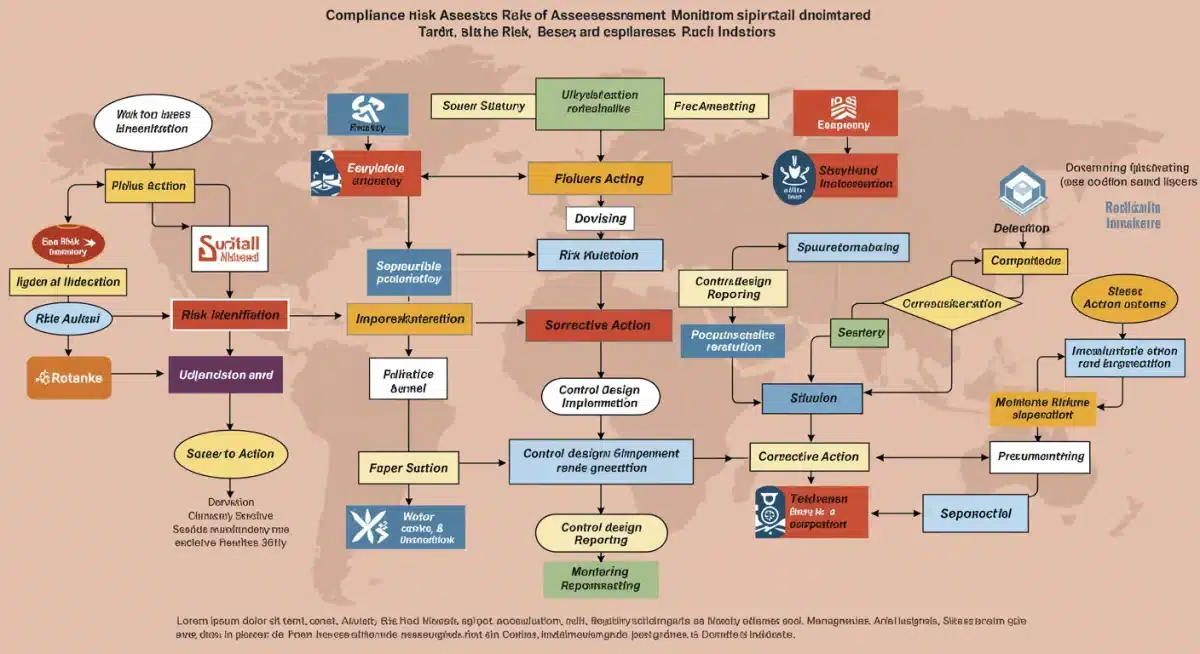
Developing a robust compliance framework begins with a thorough risk assessment, identifying areas where the business is most vulnerable to regulatory breaches. This should be followed by the implementation of clear policies and procedures, regular employee training, and continuous monitoring of both internal practices and the evolving regulatory landscape. Embracing technology for compliance management can also significantly enhance efficiency and accuracy, helping to track changes and ensure adherence.
Establishing a Robust Compliance Program
A well-structured compliance program is the bedrock of regulatory adherence. It should be tailored to the specific risks and operations of the retail business, rather than being a generic, one-size-fits-all solution. Key components include dedicated compliance officers, regular audits, clear reporting mechanisms for potential violations, and a commitment from senior leadership.
- Dedicated Compliance Teams: Appointing individuals responsible for overseeing regulatory adherence.
- Regular Risk Assessments: Periodically identifying and evaluating compliance risks.
- Employee Training: Educating staff on relevant regulations and company policies.
An effective compliance program is dynamic, continuously evolving to meet new challenges and regulatory updates, ensuring the retailer remains agile and protected.
The Role of Technology in Ensuring Retailer Compliance
In today’s fast-paced retail environment, technology plays an increasingly critical role in helping businesses manage and ensure compliance. Manual processes are often insufficient to keep up with the volume of data, the complexity of regulations, and the speed at which changes occur. Leveraging compliance software and data analytics can transform a reactive compliance approach into a proactive and highly efficient one, significantly reducing the risk of federal enforcement actions.
Compliance management systems can automate tasks such as policy dissemination, training tracking, and incident reporting. They can also provide real-time insights into compliance status across various departments and locations, allowing retailers to identify and address potential issues before they escalate. Furthermore, AI-powered tools can help analyze large datasets to detect anomalies that might indicate fraudulent activities, data breaches, or other non-compliant behaviors. The strategic adoption of these technologies is no longer a luxury but a necessity for modern retailers.
Automating Compliance Monitoring
Automation can streamline many aspects of compliance, from monitoring product safety certifications to tracking advertising claims across multiple platforms. This reduces human error and frees up compliance teams to focus on more complex strategic issues. Automated alerts can notify relevant personnel of upcoming deadlines or potential violations, ensuring timely intervention.
- Policy Management Software: Centralizing and distributing compliance policies.
- Audit Trail Systems: Documenting compliance activities and decisions.
- Regulatory Intelligence Platforms: Tracking changes in laws and regulations.
Embracing technology for compliance not only enhances efficiency but also provides a documented record of due diligence, which can be invaluable in the event of an audit or investigation.
Future Outlook: Evolving Regulatory Challenges
The regulatory landscape for retailers is far from static; it is a continually evolving ecosystem shaped by technological advancements, societal shifts, and global events. Looking ahead, retailers can anticipate new and intensified scrutiny in several key areas. Emerging technologies like artificial intelligence (AI), virtual reality (VR), and the metaverse will undoubtedly introduce novel regulatory considerations, particularly concerning data privacy, consumer manipulation, and intellectual property. The challenge for retailers will be to innovate responsibly while anticipating and adhering to regulations that are still being formulated.
Furthermore, environmental, social, and governance (ESG) factors are gaining prominence, with regulators and consumers alike demanding greater transparency and accountability from businesses. This could lead to stricter regulations concerning supply chain ethics, sustainable sourcing, and carbon footprint reporting. Geopolitical tensions and global supply chain disruptions may also trigger new trade and import/export regulations. Retailers must adopt a forward-thinking approach to compliance, continuously scanning the horizon for emerging risks and adapting their strategies accordingly to maintain resilience and avoid future federal enforcement actions.
Anticipating New Data Privacy Laws
The patchwork of state-level data privacy laws in the U.S., such as the California Consumer Privacy Act (CCPA), is likely to continue expanding, potentially leading to a federal privacy law. Retailers must prepare for stricter consent requirements, expanded consumer rights regarding their data, and increased penalties for non-compliance. Investing in data governance frameworks that can adapt to varying legal requirements will be crucial.
- Consent Management Platforms: Tools to manage customer data preferences.
- Data Mapping & Inventory: Understanding what data is collected and where it resides.
- Privacy by Design: Integrating privacy considerations into product and service development.
Proactive engagement with privacy regulations will be key to protecting both consumer trust and the retailer’s bottom line in the coming years. By staying informed and adaptable, retailers can transform regulatory challenges into opportunities for building stronger, more trustworthy brands.
| Key Compliance Area | Recent Enforcement Focus |
|---|---|
| Product Safety | Hazardous goods, inadequate labeling, failure to report defects. |
| Consumer Protection | Deceptive advertising, misleading pricing, subscription traps. |
| Data Privacy | Negligent data security, unauthorized data sharing, privacy policy violations. |
| Digital Accessibility | Non-ADA compliant websites, lack of WCAG adherence. |
Frequently Asked Questions About Retail Compliance
The primary federal agencies include the Federal Trade Commission (FTC), the Consumer Product Safety Commission (CPSC), the Food and Drug Administration (FDA), and the Department of Justice (DOJ). Each focuses on different aspects of retail operations, from consumer protection to product safety and fair business practices.
Data privacy is a growing concern due to increasing cyber threats, evolving state-level privacy laws like CCPA, and potential federal legislation. Retailers handle vast amounts of sensitive consumer data, making them prime targets for breaches and regulatory scrutiny if protections are inadequate.
Proactive measures include conducting regular risk assessments, implementing robust compliance programs with clear policies, providing continuous employee training, and leveraging technology for automated monitoring and reporting. A strong compliance culture is also essential.
Consequences can range from significant financial penalties and mandatory product recalls to severe reputational damage, loss of consumer trust, and potential legal action. In extreme cases, criminal charges may be pursued, impacting leadership and the business’s viability.
Federal agencies, particularly the Department of Justice, are increasingly enforcing the Americans with Disabilities Act (ADA) for online platforms. Retailers must ensure their websites and apps meet accessibility standards like WCAG to avoid discrimination claims and legal challenges, making digital storefronts accessible to all consumers.
Conclusion
The landscape of retail compliance is undeniably complex and continually shifting, as evidenced by the recent federal enforcement actions over the last 120 days. These actions serve as a critical wake-up call, emphasizing that robust regulatory adherence is not merely a legal obligation but a strategic imperative for long-term success and consumer trust. Retailers who proactively invest in comprehensive compliance programs, leverage technology for efficient management, and foster a culture of ethical conduct will be best positioned to navigate the evolving regulatory environment. The lessons learned are clear: vigilance, adaptability, and a commitment to transparency are the cornerstones of mitigating risk and building a resilient retail enterprise in the face of ever-increasing scrutiny.