Blockchain in Retail: Transparency, Traceability, and Dispute Reduction

Blockchain technology is poised to revolutionize the retail sector by significantly enhancing transparency and traceability across supply chains, targeting a 15% reduction in disputes by 2025 through immutable record-keeping.
The retail industry, a dynamic and ever-evolving landscape, constantly seeks innovative solutions to address its inherent complexities. Among the most promising advancements, blockchain in retail transparency and traceability stands out as a transformative force. This technology is not merely a buzzword but a practical solution poised to redefine how products move from production to the consumer, promising a significant reduction in supply chain disputes and fostering unprecedented levels of trust.
Understanding the Retail Supply Chain’s Challenges
The modern retail supply chain is a labyrinth of interconnected processes, stakeholders, and geographical distances. From raw material sourcing to manufacturing, logistics, and final delivery, numerous handoffs occur, each presenting potential points of failure, inefficiency, and dispute. These challenges are amplified by increasing consumer demands for ethical sourcing, product authenticity, and sustainability.
Retailers frequently grapple with issues such as counterfeit goods infiltrating their inventory, opaque sourcing practices leading to reputational damage, and inefficient dispute resolution mechanisms that drain resources and time. The lack of a single, verifiable source of truth across the supply chain makes it difficult to pinpoint responsibility when problems arise, leading to prolonged conflicts and financial losses.
The Opacity Problem in Traditional Supply Chains
Traditional supply chains often operate in silos, with each participant maintaining their own records. This fragmented approach creates an environment ripe for misinformation and makes it nearly impossible to trace a product’s journey comprehensively. Without a shared, immutable ledger, verifying claims about product origin, quality, or ethical compliance becomes a monumental task.
- Fragmented Data: Information is scattered across various systems and databases, leading to inconsistencies.
- Lack of Trust: Each party must trust the others’ records, which can be compromised or inaccurate.
- Inefficient Audits: Manual auditing processes are time-consuming, expensive, and prone to human error.
- Counterfeit Goods: The absence of robust traceability makes it easier for fake products to enter the market.
These issues collectively contribute to a lack of confidence among consumers and significant operational headaches for retailers. The imperative to overcome these challenges is driving the adoption of more advanced technologies that can offer a clear, verifiable, and unified view of the entire supply chain.
In essence, the retail sector’s reliance on outdated, siloed information systems has created systemic vulnerabilities. Addressing these requires a fundamental shift towards a more integrated and transparent data management approach, which blockchain technology is uniquely positioned to provide.
How Blockchain Enhances Transparency and Traceability
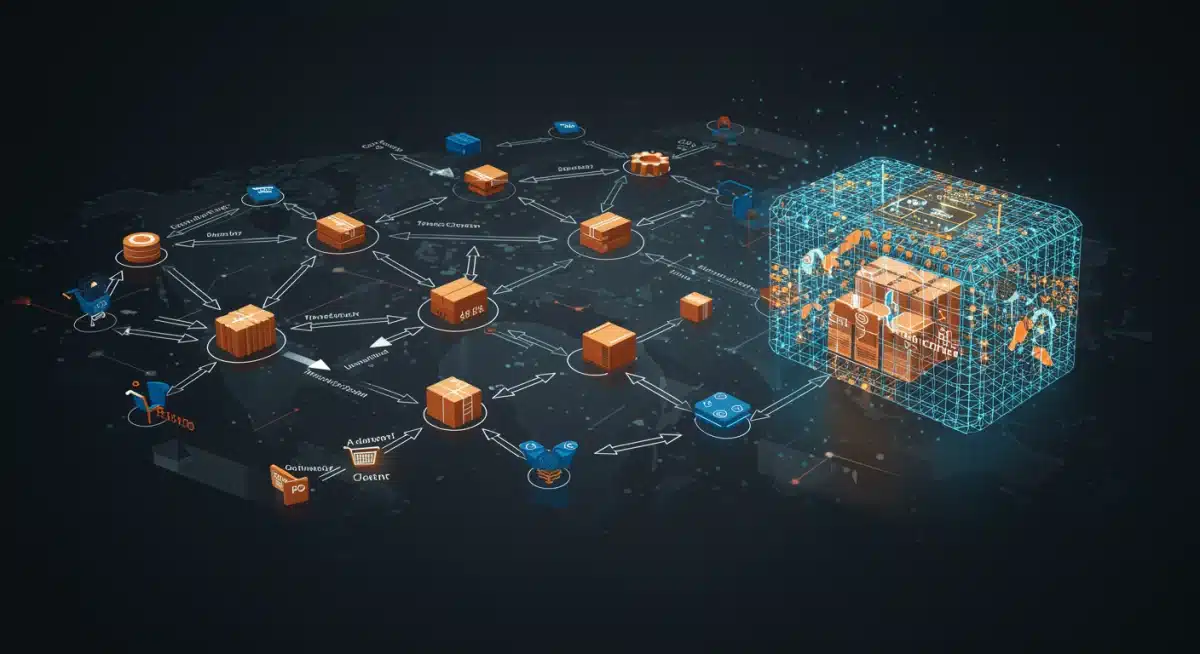
Blockchain technology, at its core, is a decentralized, distributed ledger that records transactions in a secure and immutable way. Each ‘block’ contains a timestamped set of transactions, and once added to the ‘chain,’ it cannot be altered. This inherent security and immutability are what make blockchain an ideal solution for enhancing transparency and traceability in retail supply chains.
By implementing blockchain, every step in a product’s journey—from the initial sourcing of raw materials to its final sale—can be recorded on a shared ledger. This creates an end-to-end audit trail that is accessible to all authorized participants, providing an unprecedented level of visibility. Consumers, too, can gain access to this information, empowering them to make more informed purchasing decisions.
Immutable Records and Data Integrity
One of the most significant benefits of blockchain is its ability to ensure data integrity. Once a transaction or event is recorded on the blockchain, it becomes a permanent part of the ledger. This immutability prevents tampering and ensures that the information is trustworthy. For retailers, this means a reliable record of every product movement, quality check, and ownership transfer.
- Tamper-Proof Data: Records cannot be changed or deleted, ensuring authenticity.
- Single Source of Truth: All participants access the same, verified information.
- Reduced Fraud: Makes it harder for fraudulent activities to go undetected.
- Enhanced Accountability: Clear records assign responsibility at each stage.
This level of data integrity is crucial for building trust, not just among supply chain partners, but also with the end consumer. Knowing that product claims are backed by verifiable, unalterable data can significantly boost brand loyalty and consumer confidence.
The transparent nature of blockchain also allows for real-time tracking of goods. This means retailers can monitor inventory levels, track shipments, and verify delivery statuses with greater accuracy, leading to more efficient operations and better inventory management. This enhanced visibility is a game-changer for complex global supply networks.

Reducing Supply Chain Disputes by 15% by 2025
The promise of blockchain technology extends beyond mere visibility; it offers a tangible solution for mitigating and resolving supply chain disputes. By establishing a shared, unalterable record of all transactions and events, blockchain removes much of the ambiguity and disagreement that typically fuel these conflicts. The goal of achieving a 15% reduction in supply chain disputes by 2025 is ambitious but entirely attainable with widespread adoption.
Disputes often arise from discrepancies in records, disagreements over product quality, or delays in shipments. With blockchain, each of these touchpoints is meticulously documented, providing clear evidence that can be used to quickly identify the source of a problem and facilitate a fair resolution. This proactive approach minimizes the need for lengthy investigations and legal battles.
Automated Dispute Resolution with Smart Contracts
Beyond simply providing evidence, blockchain can facilitate automated dispute resolution through the implementation of smart contracts. These self-executing contracts, stored on the blockchain, automatically enforce the terms of an agreement when predefined conditions are met. For instance, if a shipment is delayed beyond a specified period, a smart contract could automatically trigger a penalty payment or a renegotiation clause.
- Automated Compliance: Smart contracts ensure adherence to agreed-upon terms.
- Reduced Human Intervention: Minimizes errors and biases in dispute resolution.
- Faster Settlements: Disputes can be resolved in real-time without extensive negotiation.
- Clear Terms: Contractual obligations are transparent and verifiable for all parties.
This automation streamlines the dispute resolution process, making it more efficient and less costly. It shifts the focus from arguing over facts to addressing the root cause of the problem, leading to stronger, more collaborative relationships among supply chain partners.
The ability to have an indisputable record of events and automated enforcement mechanisms provides a powerful incentive for all parties to adhere to their commitments. This creates a more reliable and predictable supply chain environment, ultimately leading to fewer disputes and a more resilient retail ecosystem.
Building Consumer Trust and Brand Loyalty
In today’s competitive retail landscape, consumer trust is an invaluable currency. Shoppers are increasingly concerned about where their products come from, how they are made, and their environmental and social impact. Blockchain technology offers retailers a powerful tool to address these concerns head-on, transforming transparency into a strategic advantage.
By making product journey data accessible to consumers, retailers can demonstrate their commitment to ethical sourcing, sustainability, and authenticity. Imagine a consumer scanning a QR code on a product and instantly accessing its complete history: from the farm where the ingredients were grown, through manufacturing, to its arrival in the store. This level of transparency builds profound trust.
Authenticity and Ethical Sourcing Verification
Counterfeit goods pose a significant threat to both brand reputation and consumer safety. Blockchain provides an unforgeable digital fingerprint for each product, allowing consumers to verify its authenticity instantly. This not only protects brands from revenue loss but also safeguards consumers from potentially harmful fake products.
- Product Authenticity: Consumers can verify genuine products, combating counterfeiting.
- Ethical Sourcing: Trace the origins of materials to confirm fair labor and sustainable practices.
- Allergen Information: Provide precise details about ingredients and potential allergens.
- Brand Storytelling: Engage consumers with the full narrative behind each product.
Furthermore, blockchain can verify ethical sourcing claims, such as fair trade practices or cruelty-free production. This resonates deeply with consumers who prioritize values-driven purchasing. Retailers who can transparently demonstrate their adherence to these principles will undoubtedly gain a significant edge in the market.
Ultimately, by leveraging blockchain to provide unparalleled transparency, retailers can cultivate a stronger bond with their customer base. This enhanced trust translates into increased brand loyalty, positive word-of-mouth, and a more resilient market position in an increasingly discerning consumer environment.
Implementation Challenges and Future Outlook
While the benefits of blockchain in retail are compelling, its widespread adoption is not without challenges. Implementing such a transformative technology requires significant investment in infrastructure, expertise, and a willingness to overhaul existing processes. Interoperability between different blockchain platforms and legacy systems also presents a complex hurdle that needs to be addressed.
Moreover, convincing all supply chain partners, from small-scale producers to large distributors, to adopt a unified blockchain solution requires extensive collaboration and standardization. Data privacy concerns, particularly regarding sensitive business information, must also be carefully managed to ensure compliance with regulations and maintain trust among participants.
Overcoming Adoption Barriers
To overcome these barriers, pilot programs and industry-wide consortia are crucial. These initiatives can demonstrate the tangible return on investment (ROI) of blockchain technology and develop standardized protocols for its implementation. Education and training are also vital to ensure that all stakeholders understand the technology and its benefits.
- Standardization: Developing common protocols for data exchange and integration.
- Cost of Implementation: Initial investments in technology and training can be substantial.
- Scalability: Ensuring blockchain networks can handle the vast volume of retail data.
- Regulatory Landscape: Navigating evolving legal and compliance requirements for blockchain use.
Despite these challenges, the trajectory for blockchain in retail is overwhelmingly positive. As the technology matures and more success stories emerge, the pace of adoption is expected to accelerate. Early adopters are already demonstrating the strategic advantages of enhanced transparency and reduced disputes.
Looking ahead, blockchain will likely become an indispensable tool for retailers seeking to build resilient, ethical, and consumer-centric supply chains. Its potential to revolutionize trust and efficiency across the entire retail ecosystem is immense, promising a more transparent and accountable future for the industry.
Real-World Impact and Case Studies
The theoretical benefits of blockchain in retail are increasingly being validated by real-world applications. Several pioneering companies and industry consortia have already embarked on blockchain initiatives, demonstrating its practical impact on transparency, traceability, and dispute reduction. These case studies provide valuable insights into the technology’s capabilities and its potential to reshape industry standards.
From luxury goods authentication to food safety tracking, blockchain is proving its versatility across diverse retail segments. These early successes are not only driving further adoption but also refining the best practices for implementing and scaling blockchain solutions within complex supply chains. The lessons learned from these initiatives are paving the way for broader industry transformation.
Notable Implementations and Success Stories
Leading brands are leveraging blockchain to achieve specific, measurable improvements. For instance, some food retailers are using it to trace products from farm to fork, drastically reducing the time it takes to identify and recall contaminated items. This enhanced traceability directly impacts consumer safety and reduces the financial and reputational damage associated with foodborne illness outbreaks.
- Food Supply Chains: Tracing produce and meat for rapid recall and authenticity.
- Luxury Goods: Verifying authenticity and preventing counterfeiting for high-value items.
- Apparel & Textiles: Ensuring ethical sourcing and sustainability claims throughout the production process.
- Pharmaceuticals: Tracking drug origins to combat counterfeit medications and ensure patient safety.
Beyond product safety, blockchain is also being used to verify claims of ethical labor practices and environmental sustainability. By providing an immutable record of certifications and audits, retailers can substantiate their corporate social responsibility initiatives, building greater trust with conscious consumers. This verifiable transparency offers a distinct competitive advantage in a market increasingly driven by values.
These real-world examples underscore that blockchain is no longer a futuristic concept but a present-day solution delivering tangible benefits. Its ability to solve long-standing problems in transparency and dispute resolution is making it an indispensable technology for forward-thinking retailers aiming to thrive in the modern economy.
The Economic Advantages of Blockchain Adoption
Beyond enhanced transparency and traceability, the adoption of blockchain technology in retail offers significant economic advantages that can directly impact a company’s bottom line. The efficiency gains, cost reductions, and improved risk management contribute to a more robust and profitable retail operation. These financial benefits are a powerful incentive for retailers to invest in and integrate blockchain solutions.
By streamlining processes and reducing manual interventions, blockchain can cut operational costs associated with supply chain management. The reduction in disputes, as targeted by the 15% goal, directly translates into fewer legal expenses, less time spent on investigations, and lower financial penalties. Moreover, improved inventory accuracy and reduced waste also contribute to significant savings.
Cost Reduction and Operational Efficiency
The automation capabilities of smart contracts and the real-time visibility provided by blockchain lead to substantial improvements in operational efficiency. This includes faster transaction settlements, reduced administrative overhead, and optimized logistics. Eliminating intermediaries in certain processes can also lead to direct cost savings.
- Lower Administrative Costs: Automating data entry and verification processes.
- Reduced Waste: Better inventory management and tracking minimize spoilage or obsolescence.
- Faster Payments: Smart contracts can expedite payments upon delivery or condition fulfillment.
- Optimized Logistics: Real-time tracking allows for more efficient routing and delivery schedules.
Furthermore, the ability to quickly identify and address issues within the supply chain minimizes disruptions, protecting revenue streams and ensuring timely product availability. This resilience is particularly valuable in a globalized market prone to unforeseen events and complex logistical challenges.
Ultimately, the economic advantages of blockchain extend beyond simple cost savings. They encompass enhanced market competitiveness, improved brand equity, and a stronger foundation for sustainable growth. Retailers embracing this technology are not just investing in transparency; they are investing in a more efficient, secure, and profitable future.
| Key Aspect | Brief Description |
|---|---|
| Transparency | Immutable record of product journey, visible to all authorized participants, ensuring data integrity. |
| Traceability | End-to-end tracking of goods from origin to consumer, verifying authenticity and ethical sourcing. |
| Dispute Reduction | Clear, verifiable records and smart contracts reduce ambiguities, aiming for a 15% decrease by 2025. |
| Consumer Trust | Empowers consumers with product history, fostering loyalty and combating counterfeits. |
Frequently Asked Questions About Blockchain in Retail
The primary benefit is unparalleled transparency and traceability. Blockchain creates an immutable, shared record of every product’s journey from source to shelf, enabling all authorized parties to verify information and build trust across the supply chain.
By providing an unalterable record of all transactions, movements, and quality checks, blockchain eliminates ambiguity. This clear evidence helps quickly identify problem sources, facilitating faster, fairer resolutions and reducing legal complexities and costs.
Absolutely. Consumers can scan product codes to access verified information about origin, ethical sourcing, and authenticity. This empowers them to make informed choices, combat counterfeits, and trust brands that demonstrate transparency and accountability.
Smart contracts are self-executing agreements stored on the blockchain. They automatically enforce predefined terms, such as triggering payments upon delivery or imposing penalties for delays, streamlining processes and reducing the need for manual oversight in supply chain agreements.
Key challenges include the significant initial investment, ensuring interoperability with existing legacy systems, achieving industry-wide standardization, and addressing data privacy concerns. Overcoming these requires collaboration, pilot programs, and continuous education across the sector.
Conclusion
The journey towards a more transparent and trustworthy retail ecosystem is undeniably being paved by blockchain technology. As we’ve explored, its inherent ability to create immutable, verifiable records across complex supply chains is a game-changer, not just for operational efficiency but also for building profound consumer trust. The ambitious yet achievable goal of reducing supply chain disputes by 15% by 2025 underscores the profound impact this technology is set to have. While challenges in implementation and widespread adoption persist, the economic advantages, coupled with growing consumer demand for ethical and authentic products, make blockchain an indispensable tool for the future of retail. Those who embrace this innovation will not only streamline their operations and mitigate risks but also forge stronger, more resilient relationships with both their partners and their customers, setting new standards for transparency and accountability in the industry.