DSA 2025: US E-commerce Readiness Checklist

The 2025 Digital Services Act (DSA) significantly impacts US e-commerce platforms, mandating a proactive 90-day readiness period to ensure compliance with new transparency, accountability, and user safety regulations.
The landscape of digital commerce is constantly evolving, and with it, the regulatory frameworks governing online activities. For e-commerce platforms operating in the United States, The 2025 Digital Services Act and Its Implications for E-commerce Platforms in the US: A 90-Day Readiness Checklist represents a critical juncture. While a European Union regulation, its extraterritorial reach means US-based businesses serving EU customers must take heed. Understanding and preparing for the DSA’s mandates is not merely an option but a strategic imperative to avoid significant penalties and maintain market access.
Understanding the Digital Services Act (DSA)
The Digital Services Act (DSA) is a landmark piece of legislation from the European Union, designed to create a safer and more accountable online environment. It aims to modernize the legal framework for digital services, addressing issues such as illegal content, disinformation, and the transparency of online platforms. While originating in the EU, its broad scope means that many US-based e-commerce platforms will find themselves directly or indirectly affected, especially those that offer services to users within the EU.
The DSA categorizes online platforms based on their size and impact, imposing different levels of obligations. Very Large Online Platforms (VLOPs) and Very Large Online Search Engines (VLOSEs), defined by having over 45 million active monthly users in the EU, face the most stringent requirements. However, even smaller platforms will need to comply with core provisions related to transparency and content moderation. The act emphasizes user protection, freedom of expression, and fair competition, necessitating a fundamental shift in how online services operate.
Key Pillars of the DSA
- Transparency: Platforms must be transparent about their content moderation practices, recommendation algorithms, and advertising. Users should understand why certain content is shown to them.
- Accountability: Mechanisms for users to report illegal content and for platforms to act swiftly are central. Platforms must also provide clear complaint and redress systems.
- User Protection: Stronger safeguards against illegal goods, services, and content are mandated. This includes measures against deceptive practices and protecting minors online.
In essence, the DSA seeks to establish a clear framework of responsibilities for digital service providers, ensuring that what is illegal offline is also illegal online. This comprehensive approach means US e-commerce platforms can no longer ignore EU regulations if they wish to serve a global customer base effectively.
Extraterritorial Reach: Why US Platforms Are Affected
The DSA’s impact extends far beyond the physical borders of the European Union, directly influencing US e-commerce platforms. This extraterritorial reach is a critical aspect that many US businesses may initially overlook, but it carries significant compliance risks. The core principle is that if a digital service provider offers its services to users in the EU, regardless of where the company is headquartered, it must comply with the DSA.
This means that any US e-commerce website, online marketplace, or app that allows EU citizens to purchase goods or services, even if just by default settings or language options, falls under the DSA’s purview. The geographical location of the server or the company’s registration is less relevant than the accessibility and targeting of EU consumers. Ignoring these provisions could lead to substantial fines, reputational damage, and even exclusion from the EU market.
Defining ‘Offering Services in the EU’
The DSA broadly defines when a service is ‘offered’ in the EU. Indicators include:
- The ability to order goods or services to an EU address.
- Accepting payments in EU currencies.
- Providing customer support in an EU language.
- Targeting advertisements specifically at an EU audience.
Even if a US platform does not actively market to the EU, if an EU user can access and utilize the service, compliance becomes a consideration. This broad interpretation necessitates a thorough review of current operational practices and an assessment of potential EU user engagement. Understanding these nuances is the first step in developing a robust compliance strategy.
Ultimately, US e-commerce platforms must recognize that the digital economy is global. Regulations like the DSA demonstrate a growing trend towards comprehensive international online governance. Proactive engagement with these regulations is not just about avoiding penalties; it’s about building trust with a global customer base and sustaining long-term market access.
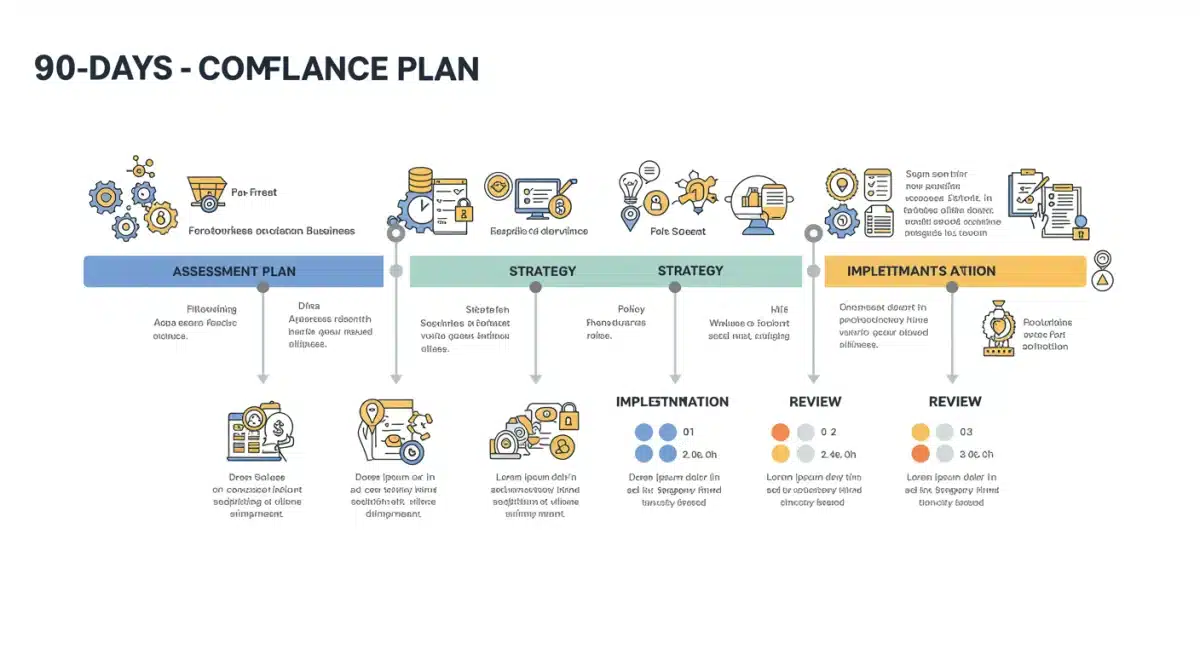
The 90-Day Readiness Checklist: Phase 1 – Assessment & Strategy
With the DSA’s implementation drawing closer, US e-commerce platforms need a structured approach to achieve compliance. The initial 90-day period is crucial for a comprehensive assessment and the development of a robust strategy. This phase focuses on understanding the specific obligations that apply to your platform and mapping out the necessary internal changes.
Begin by conducting an internal audit to identify all digital services your platform provides that might fall under the DSA’s scope. This includes not just your primary e-commerce site but also any related apps, forums, or review sections where users can interact or post content. Determining your platform’s classification under the DSA – whether it’s a hosting service, an online platform, or a VLOP – is paramount, as this dictates the extent of your obligations.
Key Assessment Steps
- Scope Identification: Pinpoint all digital services that interact with EU users.
- Classification: Determine your platform’s specific DSA category and corresponding obligations.
- Gap Analysis: Compare current practices against DSA requirements to identify areas of non-compliance.
Once the assessment is complete, the focus shifts to strategy development. This involves outlining a detailed plan of action, assigning responsibilities, and allocating resources. Consider forming a dedicated compliance team, potentially involving legal, IT, and marketing departments. Your strategy should prioritize the most critical areas of non-compliance and establish clear timelines for remediation. This foundational phase sets the stage for effective implementation.
The 90-Day Readiness Checklist: Phase 2 – Implementation & Training
Following the strategic groundwork, the second phase of the 90-day readiness checklist involves the practical implementation of changes and comprehensive staff training. This is where the theoretical plans translate into actionable steps, ensuring that your platform not only meets the DSA’s requirements but also integrates these changes seamlessly into daily operations.
A primary area of focus will be enhancing content moderation systems. This may involve investing in AI-driven tools, expanding human review teams, or refining existing processes to ensure swift identification and removal of illegal content. Transparency is another cornerstone, requiring updates to terms and conditions, privacy policies, and user interfaces to clearly communicate content moderation decisions, appeal processes, and advertising practices. Furthermore, platforms must establish clear points of contact for EU authorities and users, often necessitating the appointment of a legal representative in the EU.
Operational Adjustments Required
- Content Moderation: Implement robust systems for detecting and addressing illegal content, including swift notice-and-action mechanisms.
- Transparency Features: Update user interfaces to clearly display information about content moderation, algorithmic recommendations, and targeted advertising.
- User Complaint Systems: Develop or refine internal complaint-handling systems, ensuring efficacy and accessibility for EU users.
Alongside technical and procedural changes, comprehensive training for all relevant personnel is essential. This includes customer service representatives, content moderators, legal teams, and marketing staff. Everyone involved in platform operations needs to understand the DSA’s implications and their role in maintaining compliance. Effective training ensures consistent application of new policies and procedures across the organization, minimizing the risk of inadvertent violations.
The 90-Day Readiness Checklist: Phase 3 – Monitoring & Reporting
The final phase of the 90-day readiness checklist focuses on establishing continuous monitoring and robust reporting mechanisms. Compliance with the DSA is not a one-time event; it requires ongoing vigilance and the ability to demonstrate adherence to regulatory bodies. This phase ensures that your platform can effectively track its compliance efforts and respond to any emerging issues.
Platforms, particularly VLOPs, are mandated to conduct regular risk assessments related to systemic risks, such as the spread of illegal content or the manipulation of electoral processes. These assessments should inform adjustments to moderation policies and algorithmic designs. Furthermore, annual transparency reports detailing content moderation actions, user complaints, and algorithm performance are often required. Even for smaller platforms, maintaining internal records of compliance activities is a best practice, as it provides evidence of due diligence.
Essential Monitoring Activities
- Performance Metrics: Track key performance indicators related to content moderation, user complaints, and algorithm transparency.
- Regular Audits: Conduct periodic internal audits to verify compliance with DSA provisions.
- Stakeholder Feedback: Establish channels for receiving and acting upon feedback from users, regulatory bodies, and civil society organizations.
Developing a clear reporting framework is equally important. This includes not only external reports to authorities but also internal reporting structures to keep management informed of compliance status and any potential risks. Establishing a feedback loop between monitoring results and strategic adjustments ensures that your platform remains agile and responsive to evolving regulatory expectations. This proactive approach to monitoring and reporting is vital for long-term DSA compliance and building trust with users and regulators.
Long-Term Implications and Future Trends
Beyond the immediate 90-day readiness period, the DSA signals a significant shift in the regulatory landscape for digital services, with long-term implications for US e-commerce platforms. This legislation is not an isolated incident but rather a harbinger of a global trend towards greater accountability and transparency for online platforms. US businesses must consider how this new regulatory environment will shape not only their operations in the EU but also potentially influence domestic policy.
The DSA’s emphasis on algorithmic transparency, content moderation, and user protection is likely to inspire similar legislative efforts in other jurisdictions, including the United States. While direct federal legislation mirroring the DSA is not imminent, individual states or future administrations may draw inspiration from its comprehensive approach. Therefore, investing in robust compliance frameworks now can provide a competitive advantage and future-proof your business against evolving global regulations.
Anticipating Regulatory Evolution
- Global Harmonization: Expect other countries to adopt similar online safety and transparency regulations.
- Consumer Trust: Proactive compliance can enhance consumer trust and brand reputation globally.
- Innovation Adaptation: Develop agile systems that can adapt to future regulatory changes without extensive overhauls.
Ultimately, the DSA encourages a more ethical and responsible approach to digital commerce. Platforms that embrace these principles, prioritizing user safety, transparency, and accountability, will be better positioned for sustainable growth in an increasingly regulated global market. This proactive mindset, moving beyond mere compliance to genuine commitment, will be a defining characteristic of successful e-commerce platforms in the years to come.
| Key Aspect | Brief Description |
|---|---|
| Extraterritorial Reach | US platforms serving EU users must comply, regardless of company location. |
| Content Moderation | New rules for swift removal of illegal content and transparent user reporting. |
| Transparency Obligations | Platforms must disclose algorithmic workings and advertising targeting criteria. |
| 90-Day Readiness | Structured approach involving assessment, implementation, and continuous monitoring. |
Frequently Asked Questions About DSA Compliance
The DSA is an EU regulation aiming to create a safer, more transparent online environment by establishing clear responsibilities for digital service providers. It addresses illegal content, disinformation, and user protection, impacting platforms globally that serve EU users.
Yes, if a US e-commerce platform offers services to users in the European Union, it falls under the DSA’s jurisdiction. This includes platforms that allow EU citizens to purchase goods, even without active EU marketing.
Key obligations include enhanced content moderation to remove illegal content, increased transparency about algorithms and advertising, and establishing clear user complaint and redress mechanisms. Specific requirements vary by platform size.
Non-compliance can result in significant fines, potentially up to 6% of a company’s annual global turnover. Repeated or severe violations could also lead to operational restrictions or even a temporary ban from the EU market.
Platforms should conduct a thorough internal audit, classify their services under DSA, implement necessary technical and procedural changes, train staff, and establish continuous monitoring and reporting systems. A 90-day readiness plan is crucial.
Conclusion
The 2025 Digital Services Act is more than just another regulatory hurdle; it’s a foundational shift in how online platforms are expected to operate globally. For US e-commerce businesses, understanding its extraterritorial reach and proactively implementing a comprehensive 90-day readiness checklist is paramount. This involves a diligent assessment of current operations, strategic adjustments to content moderation and transparency practices, and continuous monitoring. Embracing these changes not only ensures compliance and mitigates potential penalties but also positions platforms as trustworthy entities in an increasingly regulated digital world, fostering long-term growth and user confidence.