January 2025 Consumer Behavior Shifts: Urgent Alert for Businesses

The January 2025 consumer behavior shifts in the US will profoundly redefine market strategies, emphasizing hyper-personalization, ethical consumption, and advanced digital integration, requiring immediate business adaptation.
An urgent alert: the January 2025 consumer behavior shifts you can’t afford to ignore are upon us, signaling a pivotal moment for businesses across the United States. These transformations are not merely incremental changes but fundamental reorientations in how consumers interact with brands, make purchasing decisions, and define value. Understanding these shifts now is paramount for any business aiming to thrive in the evolving landscape of retail and consumer services.
The accelerated digital consumer: more than just online shopping
The digital realm has long been a cornerstone of consumer engagement, but January 2025 marks an acceleration beyond simple e-commerce. Consumers are no longer just browsing and buying online; they are living digitally, expecting seamless, integrated experiences that blur the lines between physical and virtual interactions.
This evolving digital landscape demands more sophisticated approaches than ever before. It’s about creating immersive experiences that resonate with consumers, from augmented reality try-ons to virtual product demonstrations, all accessible with minimal friction. Businesses must rethink their digital storefronts not just as transaction points, but as comprehensive engagement hubs.
Hyper-personalization through AI
Artificial intelligence is no longer a futuristic concept; it’s a present-day imperative for understanding and catering to individual consumer preferences. AI-driven analytics allow businesses to predict needs, personalize recommendations, and tailor communications with unprecedented precision. This level of personalization moves beyond basic segmentation, offering a one-to-one marketing approach that fosters deeper customer loyalty.
- Predictive purchasing suggestions based on past behavior.
- Dynamic website content adapting to individual visitor profiles.
- AI-powered chatbots offering instant, personalized customer support.
- Tailored email campaigns with relevant product updates and offers.
The rise of social commerce and live shopping
Social media platforms are rapidly transitioning from discovery tools to direct sales channels. Live shopping events, influencer collaborations, and in-app purchasing features are becoming standard. This trend capitalizes on the immediacy and authenticity of social interactions, turning entertainment into commerce.
For businesses, this means investing in robust social media strategies that integrate commerce capabilities directly into their content. It’s about meeting consumers where they are already spending their time and making the path to purchase as straightforward as possible.
In conclusion, the accelerated digital consumer of January 2025 demands more than just an online presence. They seek integrated, personalized, and engaging digital experiences that leverage advanced technologies like AI and social commerce to deliver unparalleled convenience and relevance. Businesses failing to adapt will quickly find themselves outpaced.
Value redefinition: beyond price and into purpose
Consumer perception of value is undergoing a significant transformation, moving beyond mere price points to encompass broader considerations of purpose, ethics, and long-term impact. In January 2025, consumers are increasingly scrutinizing brands for their contributions to society and the environment, alongside product quality and cost.
This shift means that businesses can no longer compete solely on traditional metrics. A compelling brand narrative, transparent practices, and demonstrable commitment to social and environmental responsibility are becoming non-negotiable components of the value proposition. Consumers are willing to pay a premium for brands that align with their personal values.
Ethical consumption and sustainability as drivers
The imperative for ethical and sustainable practices has moved from a niche concern to a mainstream expectation. Consumers are actively seeking out products and services that minimize environmental harm, support fair labor practices, and contribute positively to communities. This extends to every stage of the supply chain, from sourcing raw materials to product disposal.
- Demand for sustainably sourced and produced goods.
- Preference for brands with transparent supply chains.
- Increased scrutiny of corporate social responsibility (CSR) initiatives.
- Growth in the market for upcycled and recycled products.
The importance of brand transparency and authenticity
In an era of information overload, consumers crave authenticity and transparency. They want to know the story behind a product, the values of the company, and the impact of their purchases. Brands that are honest about their challenges and committed to continuous improvement will build stronger trust and loyalty.
This requires open communication, not just about successes, but also about areas for development. Authenticity builds a genuine connection with consumers, making them feel part of a brand’s journey rather than just a customer.
Ultimately, the redefinition of value in January 2025 means that businesses must integrate purpose and ethics into their core strategy. Consumers are looking for more than just goods and services; they are seeking brands that reflect their values and contribute to a better world, making transparency and authenticity indispensable.
The experience economy’s next evolution: immersive and hybrid
The experience economy continues to evolve, with January 2025 ushering in an era of immersive and hybrid experiences that blend physical and digital realms. Consumers are no longer content with passive interactions; they seek active participation, personalization, and memorable moments that transcend traditional consumption.
This evolution demands creativity and innovation from businesses. It’s about designing experiences that engage multiple senses, offer unique narratives, and provide a sense of discovery. The focus shifts from merely selling products to creating engaging journeys that resonate deeply with the consumer.
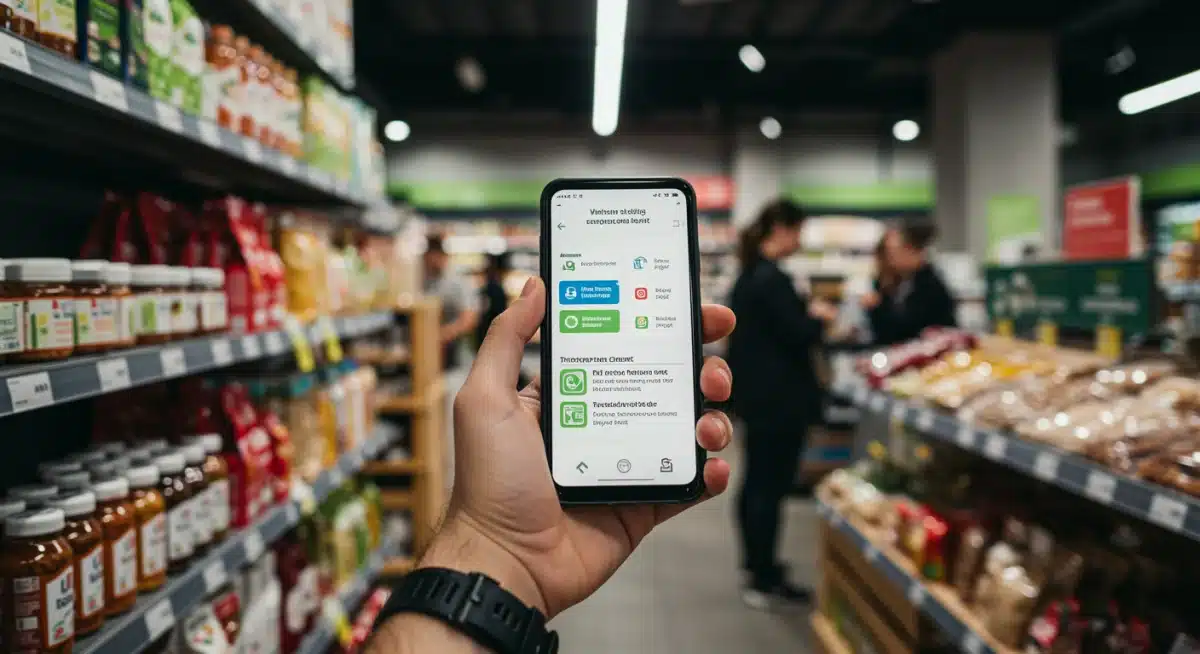
Phygital retail: bridging the gap
Phygital retail, the seamless integration of physical and digital shopping experiences, is becoming the norm. This involves leveraging technology within brick-and-mortar stores to enhance the customer journey, such as interactive displays, smart mirrors, and mobile payment options. It also includes extending the physical store’s reach through virtual showrooms and online events.
The goal is to provide convenience and choice, allowing consumers to switch effortlessly between channels. This hybrid approach caters to diverse preferences, ensuring that every touchpoint adds value to the overall shopping experience.
Personalized experiences over generic offerings
Generic, one-size-fits-all experiences are becoming obsolete. Consumers expect personalized interactions that reflect their individual tastes and needs. This can range from customized product recommendations in-store to bespoke services tailored to specific customer segments.
- Interactive installations in retail spaces.
- Appointment-based personal shopping services.
- Virtual reality (VR) product demonstrations.
- Gamified loyalty programs that offer unique rewards.
In summary, the experience economy in January 2025 is defined by immersive and hybrid approaches. Businesses must innovate to create memorable, personalized experiences that skillfully blend physical and digital elements, transforming mundane transactions into engaging and unique journeys for consumers.
Health and wellness: a holistic consumer priority
Health and wellness have transitioned from a trend to a fundamental lifestyle priority for consumers in January 2025. This encompasses not only physical health but also mental, emotional, and financial well-being. Consumers are increasingly making purchasing decisions based on how products and services contribute to a holistic sense of health.
This shift presents significant opportunities for businesses to innovate and align their offerings with these evolving priorities. It requires a deeper understanding of what ‘wellness’ means to diverse consumer segments and how products can genuinely support these aspirations.
Proactive health management and preventative solutions
Consumers are moving towards proactive health management, seeking preventative solutions rather than just reactive treatments. This includes wearable technology, personalized nutrition plans, and products that support mental clarity and stress reduction. The market for functional foods and beverages, as well as mindfulness apps, is booming.
Businesses in various sectors, from food and beverage to technology and retail, can capitalize on this by offering products that help consumers take charge of their well-being. Education and transparent communication about health benefits are crucial.
Mental well-being and stress reduction products
The focus on mental health has intensified, with consumers actively seeking products and services that aid in stress reduction, improve sleep, and promote emotional balance. This includes everything from aromatherapy and meditation apps to subscription boxes focused on self-care.
- Growth of adaptogen-infused products.
- Increased demand for sleep-tracking devices and aids.
- Popularity of digital wellness platforms and apps.
- Emphasis on natural and organic ingredients in personal care.
To conclude, health and wellness in January 2025 represent a holistic priority for consumers. Businesses must respond by offering products and services that support proactive health management and mental well-being, demonstrating a genuine commitment to improving consumers’ overall quality of life.
The subscription revolution: convenience and curation
The subscription model has proven its staying power and is set for further expansion in January 2025, driven by consumers’ desire for convenience, curated experiences, and predictable access to goods and services. This model extends far beyond traditional media, encompassing everything from daily essentials to luxury items and personalized experiences.
Businesses that can effectively leverage the subscription model stand to gain significant advantages, including recurring revenue, enhanced customer loyalty, and valuable data insights into consumer preferences. The key is to offer genuine value that justifies the ongoing commitment.
From products to experiences on subscription
While product-based subscriptions remain popular, there’s a growing trend towards experience-based subscriptions. These can include access to exclusive content, personalized coaching, or curated event series. The appeal lies in the discovery of new things and the feeling of being part of an exclusive community.
This shift requires businesses to think creatively about what aspects of their offerings can be packaged into a recurring value proposition. It’s about delivering ongoing engagement, not just a one-off transaction.
Personalized curation and flexible options
The success of subscription services hinges on personalization and flexibility. Consumers expect offerings that are tailored to their specific needs and preferences, with the ability to easily modify or pause their subscriptions. A rigid, take-it-or-leave-it approach will quickly lead to churn.
- Customizable box contents based on preference quizzes.
- Tiered subscription models offering different levels of service.
- Easy cancellation and pause options for consumer control.
- Exclusive member benefits and early access to new products.
In conclusion, the subscription revolution of January 2025 is fueled by convenience and curation. Businesses must embrace personalized, flexible, and value-driven subscription models, extending beyond physical products to encompass unique experiences, to foster long-term customer relationships and predictable revenue streams.
Navigating data privacy and trust in a digital age
As digital interactions become more pervasive, concerns around data privacy and trust are paramount for consumers in January 2025. With increasing awareness of data breaches and the use of personal information, consumers are demanding greater transparency and control over their data. This represents a critical challenge and opportunity for businesses.
Building and maintaining consumer trust in data handling is no longer just a compliance issue; it’s a competitive differentiator. Brands that demonstrate a genuine commitment to protecting privacy will earn loyalty, while those that falter risk significant reputational damage.
The demand for data transparency and control
Consumers want to understand what data is being collected, how it’s being used, and who it’s being shared with. They also expect easy-to-use tools to manage their preferences and exercise their rights, such as opting out of data sharing or requesting data deletion. Clear, concise privacy policies are more important than ever.
This demand for transparency challenges businesses to simplify complex legal jargon and communicate their data practices in an accessible manner. Trust is built on clarity and respect for individual autonomy.
Building trust through ethical AI and data practices
The increasing reliance on AI for personalization and predictive analytics raises new ethical considerations. Consumers are wary of algorithms that might perpetuate biases or make decisions without human oversight. Businesses must commit to ethical AI development and transparent data governance.
- Clear communication about AI’s role in consumer interactions.
- Robust data encryption and security protocols.
- Opt-in consent models for data collection.
- Regular audits of data practices and AI algorithms.
In conclusion, navigating data privacy and trust is a critical undertaking for businesses in January 2025. By prioritizing transparency, offering consumers control over their data, and committing to ethical AI practices, companies can build the strong trust foundations necessary for sustainable success in the digital age.
| Key Shift | Impact on Businesses |
|---|---|
| Accelerated Digital Consumer | Demands seamless, AI-driven hyper-personalization and social commerce integration. |
| Value Redefined by Purpose | Requires ethical practices, sustainability, and transparency to build trust and command premium. |
| Experience Economy Evolution | Necessitates immersive, hybrid ‘phygital’ experiences and personalized consumer journeys. |
| Holistic Health & Wellness | Prioritizes products and services supporting physical, mental, and emotional well-being. |
Frequently Asked Questions About 2025 Consumer Shifts
The most critical shifts include an accelerated digital consumer demanding hyper-personalization, a redefinition of value beyond price to purpose and ethics, the evolution of the experience economy into immersive and hybrid models, a holistic prioritization of health and wellness, and a heightened focus on data privacy and trust.
AI will drive hyper-personalization, offering predictive purchasing suggestions and dynamic content. It will also power advanced customer service through chatbots. However, consumers will demand ethical AI practices and transparency regarding data usage, making trust paramount for AI integration.
Consumers are increasingly aware of social and environmental impacts, valuing brands that demonstrate transparency, sustainability, and fair practices. They are willing to support companies whose values align with their own, making ethical considerations a key driver in purchasing decisions and brand loyalty.
‘Phygital retail’ refers to the seamless integration of physical and digital shopping experiences. For businesses, it means leveraging technology in brick-and-mortar stores (e.g., interactive displays) and extending the store’s reach virtually, providing convenience and choice across all customer touchpoints to enhance the overall journey.
Businesses can build trust by offering transparency in data collection and usage, providing consumers with control over their personal information, and adhering to ethical AI practices. Clear privacy policies, robust security, and opt-in consent models are essential for fostering confidence in a digitally-driven market.
Conclusion
The January 2025 consumer behavior shifts are not distant predictions but immediate realities demanding strategic foresight and agile adaptation. From the hyper-personalized demands of the digital consumer to the profound redefinition of value based on purpose and ethics, businesses must fundamentally re-evaluate their approaches. Embracing immersive experiences, prioritizing holistic wellness, and meticulously safeguarding data privacy are no longer optional but critical for sustained success. Those who proactively understand and integrate these urgent shifts into their core strategies will not only survive but thrive, building deeper connections and securing lasting relevance in a rapidly transforming market.