Pop-Up Retail Strategies: Boost Brand Awareness 25% by Mid-2025
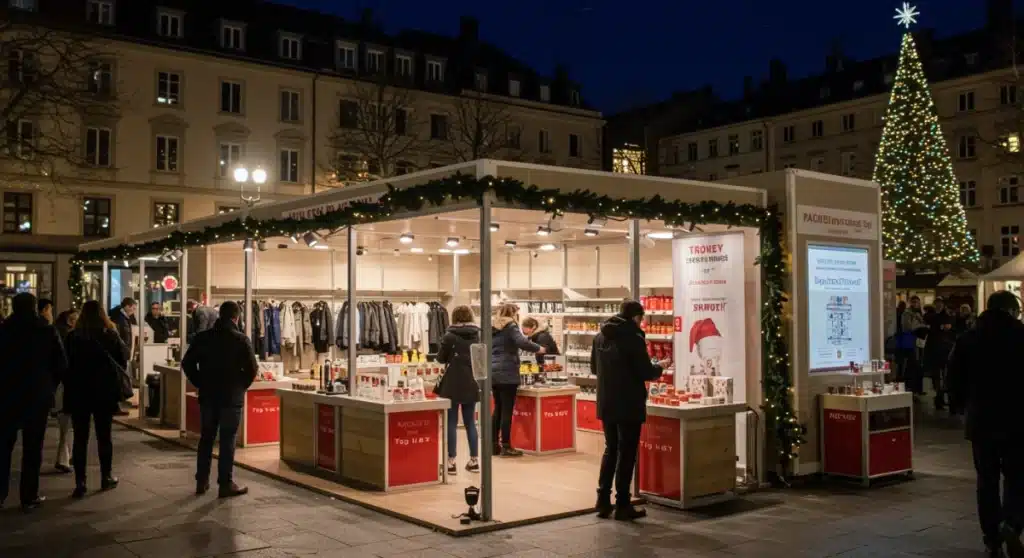
Pop-up retail strategies effectively leverage seasonal trends to achieve a substantial 25% increase in brand awareness by mid-2025, offering dynamic, temporary retail experiences that captivate consumers.
In today’s dynamic retail landscape, brands are constantly seeking innovative ways to connect with consumers and amplify their market presence. One of the most effective and agile approaches gaining significant traction is the implementation of pop-up retail strategies. These temporary retail experiences allow businesses to capitalize on fleeting seasonal trends, creating memorable interactions that can dramatically boost brand awareness and engagement.
Understanding the Power of Pop-Up Retail
Pop-up retail, by its very nature, is designed for impact and immediacy. Unlike traditional brick-and-mortar stores, pop-ups emerge for a limited time, often in unexpected locations, creating a sense of urgency and exclusivity. This temporary model allows brands to experiment with new products, test market reactions, and engage directly with their target audience in a highly curated environment. The allure of a temporary presence drives foot traffic and generates buzz, making each pop-up event a unique marketing opportunity.
The flexibility of pop-up stores means they can be deployed quickly and adapted to various themes, making them ideal for aligning with seasonal trends. Whether it’s a summer beach shack, a holiday gift boutique, or a fall harvest market, pop-ups can perfectly capture the essence of a season, offering products and experiences that resonate deeply with consumer desires during specific times of the year. This ability to be agile and responsive is a significant advantage in rapidly changing consumer markets.
Ultimately, pop-up retail is more than just a sales channel; it is an experiential marketing tool. It allows brands to tell their story, showcase their values, and build emotional connections with customers in a way that online platforms often cannot. By understanding and harnessing this power, businesses can transform temporary spaces into powerful engines for brand growth and awareness.
Strategic Alignment with Seasonal Trends
Aligning pop-up ventures with seasonal trends is not merely about selling seasonal products; it’s about crafting an entire experience that mirrors the prevailing mood and cultural significance of the season. This strategic alignment ensures that the pop-up feels timely, relevant, and irresistible to consumers. From spring florals to winter warmers, each season presents a unique canvas for brands to express their creativity and connect with their audience on a deeper level.
Successful seasonal pop-ups involve meticulous planning that considers everything from product selection to store design and marketing messaging. The goal is to create an immersive environment that transports customers and makes them feel part of a special, limited-time event. This can lead to significant media coverage and social media engagement, further amplifying the brand’s reach.
Leveraging Holiday Periods
Holiday periods, such as Christmas, Valentine’s Day, or Halloween, offer unparalleled opportunities for pop-up retail. Consumers are actively looking for gifts, decorations, and unique experiences, making these times ripe for engagement. A well-executed holiday pop-up can become a destination in itself.
- Thematic Decor: Immersive decorations that capture the holiday spirit.
- Exclusive Products: Limited-edition items available only during the pop-up.
- Experiential Elements: Workshops, photo booths, or special events tied to the holiday.
By focusing on these elements, brands can create a memorable retail activation that stands out amidst the holiday shopping rush and generates lasting positive impressions.
Beyond traditional holidays, cultural events, music festivals, or major sporting events also offer excellent seasonal windows. Brands that can tap into these moments with relevant and engaging pop-ups often see significant returns in both sales and brand visibility.
Boosting Brand Awareness Through Experiential Pop-Ups
The core of a successful pop-up retail strategy, especially when aiming for increased brand awareness, lies in creating unforgettable experiences. Modern consumers seek more than just products; they crave engagement, entertainment, and a sense of connection. Pop-ups are uniquely positioned to deliver on these desires, turning a simple shopping trip into an event.
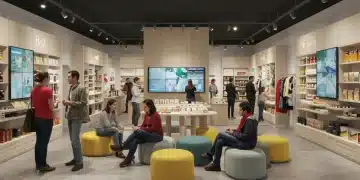
Experiential pop-ups can take many forms, from interactive product demonstrations to immersive brand storytelling. The key is to design an environment where customers can not only see and touch products but also engage with the brand’s ethos. This direct interaction fosters a deeper understanding and appreciation for what the brand stands for, leading to stronger brand loyalty.
Crafting Engaging Customer Journeys
A well-planned experiential pop-up guides customers through a discovery journey. This journey should be thoughtfully designed to maximize interaction and leave a lasting impression.
- Interactive Zones: Areas where customers can try products, participate in activities, or customize items.
- Sensory Engagement: Incorporating unique scents, sounds, or tastes that align with the brand and season.
- Shareable Moments: Creating visually appealing backdrops or installations that encourage social media sharing.
These elements transform a transactional visit into a memorable brand encounter, significantly enhancing brand recall and positive association. When customers share their experiences online, it organically expands the brand’s reach.
Furthermore, pop-ups often provide an opportunity for brands to collect valuable first-party data and direct feedback, which can inform future product development and marketing strategies. This direct line of communication with consumers is invaluable for continuous improvement and staying relevant.
Selecting the Perfect Location and Design
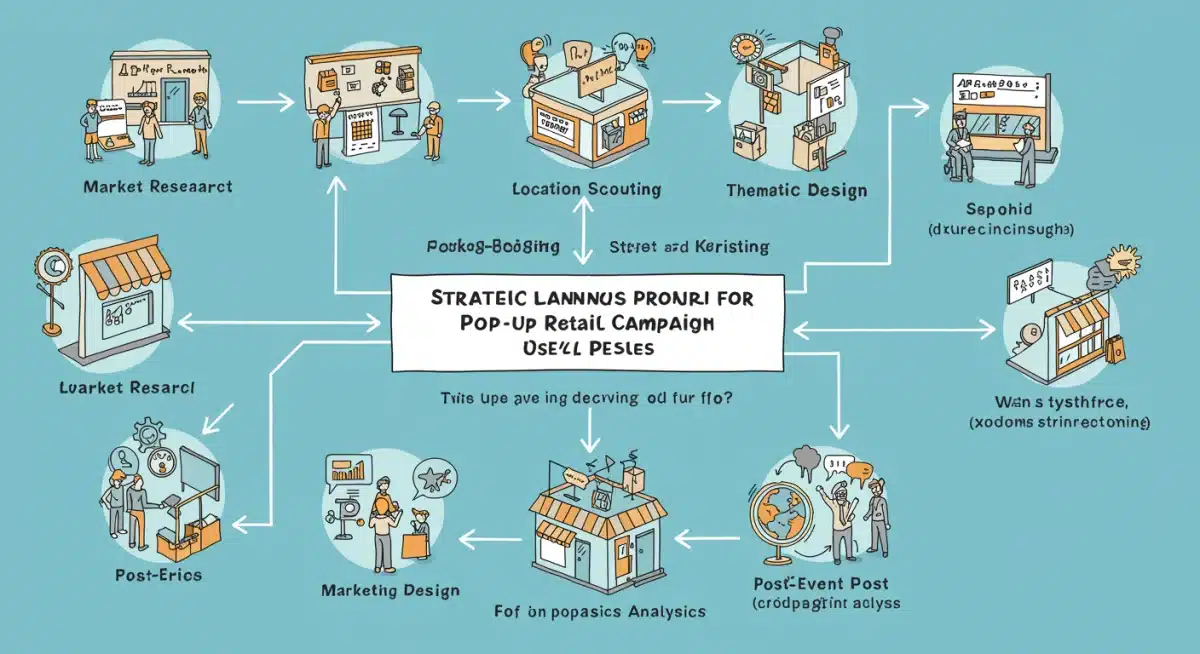
The success of any pop-up retail venture hinges significantly on two critical factors: location and design. A prime location can maximize foot traffic and visibility, while a compelling design ensures that the pop-up captures attention and effectively communicates the brand’s message. These elements must work in harmony, especially when capitalizing on seasonal trends, to create a truly impactful presence.
Choosing the right location involves understanding your target audience’s habits and where they congregate during specific seasons. For instance, a summer-themed pop-up might thrive near a beach or outdoor festival, whereas a holiday pop-up would benefit from high-traffic urban centers or shopping malls. Researching demographics and local event calendars is crucial for making an informed decision.
Designing for Impact and Immersion
The design of a pop-up store goes beyond aesthetics; it’s about creating an immersive environment that tells a story and invites interaction. Every element, from lighting to fixtures and signage, should reinforce the seasonal theme and brand identity.
- Thematic Consistency: Ensure all design elements align with the seasonal trend and brand story.
- Visual Merchandising: Create eye-catching displays that highlight products and encourage exploration.
- Flow and Functionality: Design a layout that guides customers naturally through the space and facilitates interaction.
An effective design not only attracts customers but also encourages them to spend more time in the store, increasing the likelihood of purchases and deeper brand engagement. It transforms a temporary space into a memorable destination that resonates long after the pop-up closes.
Considering local regulations and permits for temporary structures is also a vital part of the planning process. Overlooking these details can lead to unexpected delays or even cancellation, underscoring the need for thorough preparation.
Measuring Success and Optimizing Future Campaigns
Executing a pop-up retail campaign is only half the battle; the other crucial half involves meticulously measuring its success and using those insights to optimize future endeavors. Without proper analysis, even the most creative pop-up can miss opportunities for continuous improvement. Defining clear key performance indicators (KPIs) before the launch is essential for evaluating effectiveness.
Success metrics for pop-up campaigns can range from direct sales figures to more qualitative measures of brand engagement and social media sentiment. It’s important to look beyond immediate revenue and consider the long-term impact on brand awareness and customer loyalty. This holistic view provides a clearer picture of the campaign’s true value.
Key Performance Indicators for Pop-Ups
To accurately assess a pop-up’s performance, a combination of quantitative and qualitative data should be collected and analyzed.
- Foot Traffic: Number of visitors entering the pop-up space.
- Conversion Rate: Percentage of visitors who make a purchase.
- Average Transaction Value: The average amount spent per customer.
- Social Media Mentions/Engagement: Tracking hashtags, shares, and sentiment.
- Media Coverage: Mentions in publications, blogs, or news outlets.
- Customer Feedback: Direct surveys or interactions to gauge satisfaction and brand perception.
By tracking these metrics, brands can gain valuable insights into what worked well, what didn’t, and how to refine their strategies for maximum impact in subsequent campaigns. This data-driven approach is critical for achieving a target such as a 25% increase in brand awareness.
Post-campaign analysis should also include a review of operational efficiency, cost-effectiveness, and logistical challenges. Understanding these aspects helps streamline future planning and execution, ensuring that each subsequent pop-up is more successful than the last.
The Future of Pop-Up Retail in a Changing Market
The retail landscape is in a constant state of evolution, with consumer expectations and technological advancements driving significant shifts. In this dynamic environment, pop-up retail is not merely a passing trend but a strategic mainstay, poised to play an even more critical role in how brands connect with their audience. Its inherent flexibility and capacity for innovation make it perfectly suited for the future of retail.
As digital fatigue grows, the desire for authentic, in-person experiences becomes more pronounced. Pop-ups offer a tangible antidote to the predominantly online shopping experience, providing sensory engagement and human connection that digital channels cannot replicate. This makes them invaluable for fostering deeper brand relationships and standing out in a crowded marketplace.
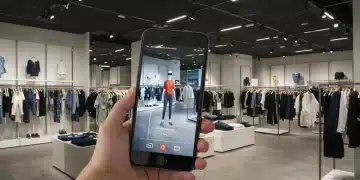
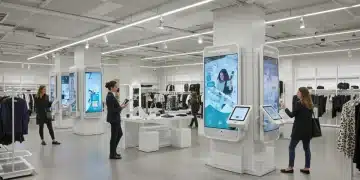
The future will likely see pop-ups integrating more advanced technologies, such as augmented reality (AR) for immersive product trials or AI-driven personalization. These innovations will enhance the experiential aspect, making pop-ups even more compelling and effective in capturing consumer attention.
Emerging Trends in Pop-Up Retail
Several exciting trends are shaping the evolution of pop-up retail, offering new avenues for brands to explore.
- Sustainability Focus: Eco-friendly materials and practices in pop-up design and operations.
- Hyper-Personalization: Tailored experiences based on individual customer data and preferences.
- Community Building: Pop-ups as hubs for local events, workshops, and collaborations.
- Omnichannel Integration: Seamless connection between online and offline pop-up experiences.
These trends highlight the growing importance of pop-ups as versatile tools for brand building, community engagement, and sustainable retail practices. Brands that embrace these emerging opportunities will be well-positioned for future growth.
Ultimately, pop-up retail will continue to be a vital component of a comprehensive retail strategy, offering brands the agility to respond to market changes, experiment with new ideas, and forge meaningful connections with consumers in an increasingly competitive world.
| Key Strategy | Brief Description |
|---|---|
| Seasonal Alignment | Tailoring pop-up themes and products to current seasonal trends and holidays for maximum relevance. |
| Experiential Design | Creating immersive and interactive experiences that go beyond simple transactions to engage customers. |
| Strategic Location | Selecting high-traffic areas that align with the target audience and seasonal context for optimal visibility. |
| Performance Measurement | Utilizing KPIs and feedback to analyze campaign effectiveness and inform future pop-up initiatives. |
Frequently Asked Questions About Pop-Up Retail
Pop-up retail refers to temporary retail spaces that operate for a limited time, often days or weeks, to sell products or promote a brand. They are designed to create unique, immersive experiences and generate buzz, leveraging their temporary nature to drive urgency and exclusivity.
Pop-ups increase brand awareness by creating memorable, experiential interactions in high-visibility locations. Their novelty often attracts media attention and encourages social media sharing, expanding reach beyond direct visitors. They also allow brands to introduce themselves to new audiences directly.
Seasonal pop-ups align with consumer demand during specific times of the year, such as holidays or summer events, making them highly relevant and appealing. This alignment can lead to increased foot traffic, higher sales conversion rates, and stronger emotional connections with customers who are already in a festive or receptive mood.
Crucial factors for a successful pop-up location include high foot traffic, alignment with the target demographic, accessibility, and visibility. Proximity to complementary businesses, local events, and seasonal relevance also play significant roles in attracting the right audience and maximizing exposure.
Brands can measure success through various KPIs, including foot traffic, sales conversion rates, average transaction value, social media engagement, and media mentions. Collecting direct customer feedback and analyzing post-campaign brand sentiment are also vital for a comprehensive understanding of the pop-up’s impact on brand awareness and loyalty.
Conclusion
Pop-up retail strategies offer an unparalleled opportunity for brands to dynamically engage with consumers, particularly by capitalizing on seasonal trends. The agility, experiential nature, and cost-effectiveness of these temporary activations make them powerful tools for increasing brand awareness and fostering deeper customer connections. As the retail landscape continues to evolve, embracing innovative pop-up models, supported by strategic planning and rigorous measurement, will be essential for brands aiming to achieve ambitious growth targets, such as a 25% increase in brand awareness by mid-2025. By creating memorable and timely experiences, brands can ensure their presence resonates long after the pop-up doors close.