Subscription Models in Retail: 7% Growth for U.S. Businesses by 2025
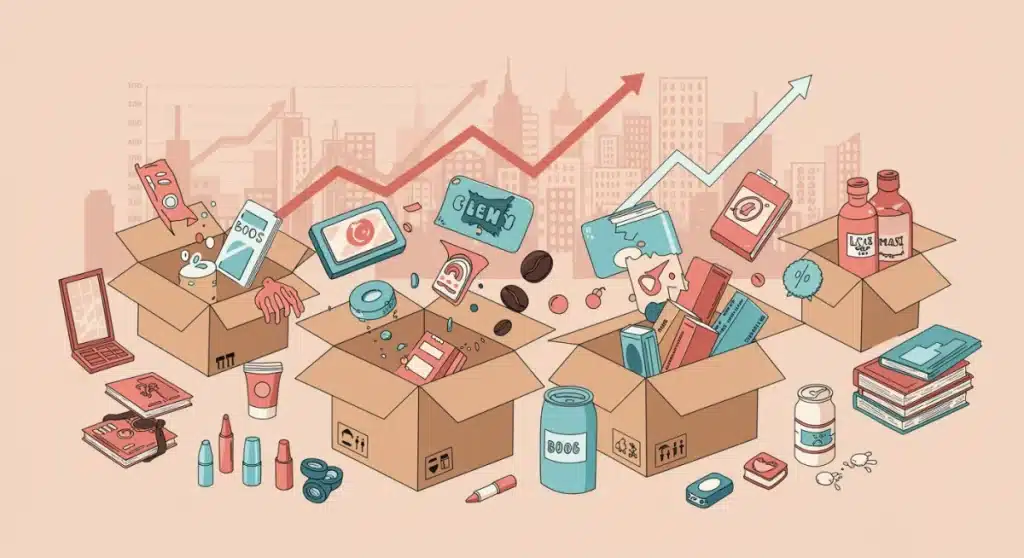
Retail subscription models are set to deliver a 7% growth opportunity for U.S. businesses by early 2025, fundamentally reshaping consumer engagement and revenue predictability across diverse sectors.
The landscape of American retail is undergoing a profound transformation, with subscription models in retail: a 7% growth opportunity for U.S. businesses by early 2025 emerging as a pivotal force. This shift isn’t merely a fleeting trend; it represents a fundamental re-evaluation of how consumers interact with brands and how businesses secure sustained revenue. As we approach 2025, the statistics underscore a compelling trajectory for growth, inviting retailers to explore and harness the power of recurring revenue and enhanced customer loyalty.
The Evolution of Retail Subscriptions
The concept of subscription services is far from new, but its application within the retail sector has evolved dramatically. What once started with magazines and milk deliveries has blossomed into a sophisticated ecosystem offering everything from gourmet meal kits to personalized fashion selections. This evolution reflects a deeper understanding of consumer needs and preferences, moving beyond transactional relationships to foster enduring engagement.
Early subscription models often focused on convenience, ensuring regular delivery of staples. However, modern iterations emphasize personalization, discovery, and community. Retailers are leveraging data analytics to curate offerings that feel uniquely tailored to individual subscribers, transforming a simple purchase into a curated experience. This strategic pivot is a key driver behind the projected 7% growth, as it addresses a consumer desire for relevance and value beyond just the product itself.
From Convenience to Curation
The journey of retail subscriptions from basic replenishment to highly personalized curation highlights a significant shift in consumer expectations. Customers no longer just want products; they seek experiences and solutions that simplify their lives and reflect their identities. This demand has pushed retailers to innovate, creating diverse subscription types.
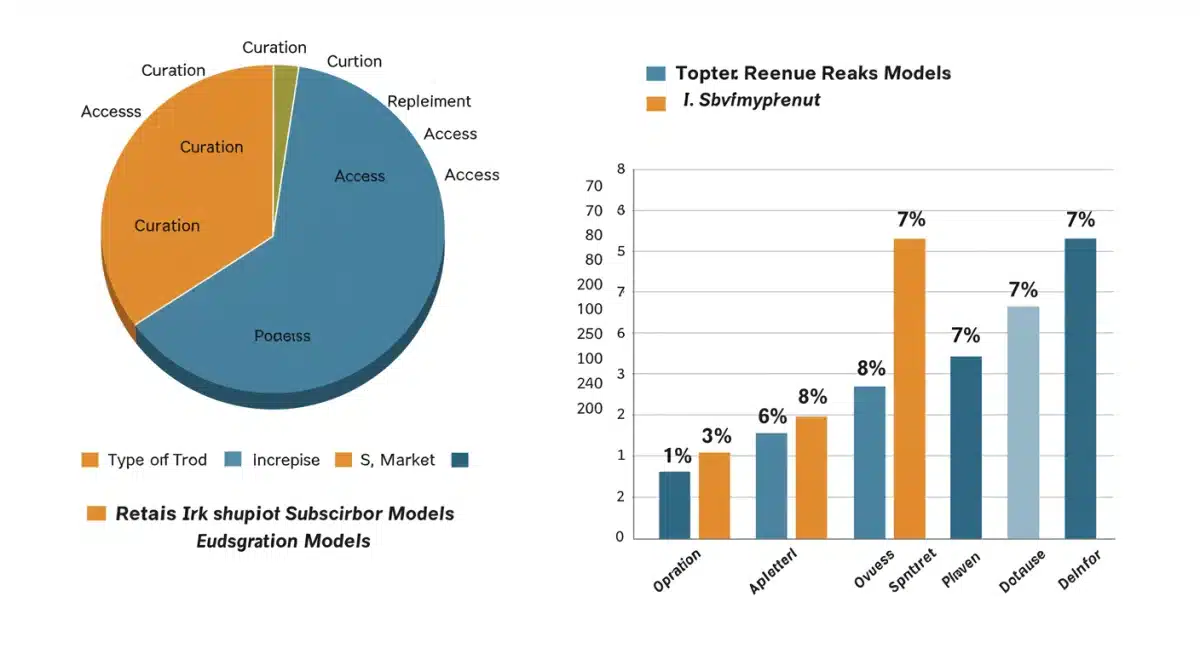
- Replenishment Subscriptions: These deliver essential goods on a recurring schedule, such as razors, coffee, or pet food. They prioritize convenience and ensure customers never run out of necessities.
- Curation Subscriptions: Focused on discovery, these services send a selection of products based on subscriber preferences, like beauty boxes, book clubs, or themed snack boxes. They offer an element of surprise and delight.
- Access Subscriptions: These provide members with exclusive benefits, discounts, or early access to products, often seen in fashion or luxury goods. They foster a sense of belonging and exclusivity.
Understanding these distinct models is crucial for U.S. businesses aiming to tap into the 7% growth opportunity. Each type caters to different aspects of consumer behavior and can be strategically implemented to enhance customer lifetime value and build a loyal subscriber base. The success lies in aligning the model with both the product offering and the target audience’s core desires.
The continuous innovation in how subscription services are delivered and managed is central to their growing appeal. Retailers are not just selling products; they are selling solutions, experiences, and a sense of belonging. This nuanced approach ensures that the growth trajectory for these models remains robust, encouraging both established brands and agile startups to explore their potential.
Key Drivers Behind the 7% Growth Projection
Several factors converge to propel the anticipated 7% growth in retail subscription models across the U.S. market by early 2025. These drivers are rooted in shifting consumer behaviors, technological advancements, and a heightened focus on customer retention strategies by businesses. Understanding these elements is fundamental for any retailer looking to capitalize on this significant opportunity.
The pandemic, while challenging, accelerated digital adoption and normalized recurring delivery services, making subscriptions a more accepted and convenient way to shop. This period solidified the habit of receiving goods and services directly to one’s door, reducing friction and increasing overall satisfaction with subscription-based commerce.
Consumer Demand for Convenience and Personalization
Today’s consumers lead busy lives and value solutions that save them time and effort. Subscription services inherently offer this convenience by automating purchases and deliveries. Beyond mere convenience, there’s a strong desire for personalization. Generic offerings often fall short; consumers want products and services that resonate with their individual tastes and needs. AI and machine learning are increasingly used to refine personalization, making each subscription feel uniquely tailored.
- Time-Saving: Automated reorders and scheduled deliveries free up consumer time from repetitive shopping tasks.
- Curated Experiences: Algorithms and expert insights provide tailored product selections, enhancing discovery and satisfaction.
- Predictable Budgeting: Fixed monthly costs for essential or desired items help consumers manage their finances more effectively.
The appeal of a frictionless shopping experience combined with a curated selection creates a powerful incentive for consumers to subscribe. This dual benefit is a cornerstone of the projected growth, as businesses refine their ability to deliver both efficiency and individualized value.
Technological Advancements and Data Analytics
The backbone of modern subscription success lies in sophisticated technology and robust data analytics. Retailers can now collect and interpret vast amounts of consumer data, allowing for unparalleled insights into purchasing patterns, preferences, and feedback. This data-driven approach enables continuous optimization of subscription offerings.
From personalized recommendations to dynamic pricing strategies and efficient logistics, technology empowers businesses to manage complex subscription ecosystems effectively. Furthermore, advanced platforms make it easier for retailers to launch, scale, and manage subscription services, lowering the barrier to entry and fostering innovation across the sector. This technological prowess is not just about efficiency; it’s about creating a more responsive and adaptive business model that can quickly react to market changes and consumer demands.
The convergence of convenience, personalization, and technological capability forms a robust foundation for the projected 7% growth in retail subscription models. Businesses that strategically integrate these drivers into their operational framework are best positioned to capture a significant share of this expanding market.
Benefits for U.S. Businesses Adopting Subscriptions
For U.S. businesses, embracing retail subscription models extends beyond merely a new revenue stream; it’s a strategic move that offers a multitude of benefits, directly contributing to the anticipated 7% growth by early 2025. These advantages span from enhanced financial stability to deeper customer relationships, providing a competitive edge in a saturated market.
The predictable revenue associated with subscriptions allows for better forecasting and resource allocation, fostering a more stable business environment. This financial predictability is particularly attractive in dynamic economic climates, offering a buffer against market fluctuations and enabling long-term strategic planning.
Predictable Revenue Streams and Improved Cash Flow
One of the most compelling benefits of subscription models is the creation of recurring, predictable revenue. Unlike traditional retail, where sales can be sporadic, subscriptions offer a steady income stream. This stability significantly improves cash flow management, allowing businesses to invest with greater confidence in product development, marketing, and operational enhancements.
- Steady Income: Regular payments from subscribers provide a reliable financial foundation.
- Better Forecasting: Predictable revenue aids in accurate financial planning and budgeting.
- Reduced Acquisition Costs: Focusing on retention can be more cost-effective than constant customer acquisition.
This financial predictability is a game-changer for many businesses, shifting the focus from one-off transactions to long-term customer value. It allows for a healthier financial outlook and supports sustainable growth, aligning perfectly with the overarching growth opportunity.
Enhanced Customer Loyalty and Data Insights
Subscription models inherently foster stronger relationships between brands and their customers. The recurring nature of the service encourages continuous engagement, building loyalty over time. Satisfied subscribers are more likely to become brand advocates, further amplifying marketing efforts through word-of-mouth referrals.
Moreover, subscriptions provide a rich continuous stream of data on customer preferences, usage patterns, and feedback. This invaluable data can be leveraged to refine product offerings, personalize experiences further, and identify new market opportunities. The insights gained are a powerful asset, enabling businesses to stay agile and customer-centric.
By cultivating loyalty and harnessing data, businesses can create a virtuous cycle where improved offerings lead to increased satisfaction, which in turn drives higher retention and deeper engagement. This symbiotic relationship is crucial for tapping into the full potential of the 7% growth opportunity, establishing a resilient and customer-focused business model.
Challenges and Considerations for Implementation
While the prospect of a 7% growth in retail subscription models is enticing for U.S. businesses, successful implementation is not without its challenges. Retailers must navigate various complexities, from managing churn rates to ensuring a seamless customer experience. Addressing these considerations proactively is vital for maximizing the potential of subscription services and sustaining long-term growth.
The initial investment in technology, logistics, and marketing for a subscription service can be substantial. Businesses need to carefully assess their capabilities and resources before diving into this model, ensuring they can meet the operational demands and customer expectations.
Managing Customer Churn and Retention Strategies
One of the most significant challenges in the subscription economy is customer churn – the rate at which subscribers cancel their service. High churn rates can quickly erode the benefits of predictable revenue. Therefore, robust retention strategies are paramount. This involves continuously delivering value, offering exceptional customer service, and actively soliciting and acting on feedback.
- Value Proposition: Clearly communicate and consistently deliver the unique benefits of the subscription.
- Customer Service: Provide responsive and personalized support to address concerns and build trust.
- Personalization: Continuously refine offerings based on individual preferences to maintain relevance and interest.
- Engagement: Foster a sense of community or exclusivity through member-only content or events.
Effective churn management goes beyond simply reacting to cancellations; it involves proactive engagement and a deep understanding of why customers might leave. By anticipating needs and continuously enhancing the subscriber experience, businesses can significantly improve retention rates and secure their share of the growth opportunity.
Logistics, Technology, and Customer Experience
Implementing a successful subscription model requires a strong foundation in logistics and technology. Managing recurring orders, inventory, shipping, and billing cycles demands efficient systems. A seamless technological backend is crucial for everything from customer onboarding to payment processing and data analytics.
Equally important is the overall customer experience. From the moment a customer considers subscribing to their ongoing interaction with the service, every touchpoint must be intuitive, reliable, and positive. This includes an easy sign-up process, clear communication, timely deliveries, and hassle-free cancellation options. Any friction in these areas can quickly lead to dissatisfaction and churn. Investing in scalable technology and streamlined logistics, coupled with a relentless focus on customer satisfaction, is key to overcoming these challenges and fully realizing the 7% growth potential.
By thoughtfully addressing these operational and customer-centric challenges, U.S. businesses can build resilient subscription models that not only attract but also retain a loyal customer base, contributing significantly to their long-term success.
Emerging Trends Shaping Subscription Retail
As retail subscription models continue their upward trajectory towards a 7% growth opportunity for U.S. businesses by early 2025, several emerging trends are shaping their evolution. These trends reflect broader shifts in consumer values and technological capabilities, pushing the boundaries of what subscription services can offer. Staying attuned to these developments is crucial for retailers aiming to innovate and maintain a competitive edge.
The focus is increasingly moving towards sustainability, ethical sourcing, and hyper-personalization, driven by a generation of consumers who prioritize purpose and bespoke experiences. This signals a need for businesses to integrate these values into their subscription offerings.
Sustainability and Ethical Sourcing in Subscriptions
Modern consumers are increasingly conscious of the environmental and social impact of their purchases. This growing awareness is influencing subscription preferences, with a rising demand for services that prioritize sustainability and ethical sourcing. Retailers offering eco-friendly products, minimal packaging, or transparent supply chains are gaining significant traction.
- Eco-friendly Products: Subscriptions featuring sustainable, organic, or ethically produced goods.
- Reduced Waste: Focus on reusable packaging, bulk delivery, or refill models to minimize environmental footprint.
- Transparent Supply Chains: Brands that openly share their sourcing and production practices build greater trust with consumers.
Integrating these values into a subscription model not only appeals to a growing segment of environmentally conscious consumers but also reinforces brand integrity and purpose. This alignment with consumer values can be a powerful differentiator in a crowded market, driving both acquisition and retention.
Hyper-Personalization and AI Integration
The future of retail subscriptions is deeply intertwined with hyper-personalization, driven by advanced AI and machine learning. Beyond simply recommending products based on past purchases, AI is enabling subscriptions to adapt dynamically to real-time consumer behavior, lifestyle changes, and even mood. This level of personalization creates an unparalleled sense of value and relevance for the subscriber.
AI can optimize delivery schedules, predict future needs, and even personalize content accompanying the physical products. Imagine a meal kit subscription that adjusts recipes based on your weekly activity levels or a beauty box that evolves with seasonal skin changes. This sophisticated use of data and AI moves subscriptions from being merely convenient to becoming truly indispensable, fostering a deeper connection with the brand. Businesses that invest in these capabilities will be at the forefront of capturing the projected growth, offering experiences that are not just tailored but truly intelligent.
These emerging trends underscore the dynamic nature of the subscription retail landscape. By embracing sustainability and leveraging hyper-personalization through AI, U.S. businesses can not only meet but exceed evolving consumer expectations, securing their position within this expanding market.
Strategies for U.S. Businesses to Capitalize on Growth
To fully harness the 7% growth opportunity presented by retail subscription models, U.S. businesses must adopt strategic approaches that prioritize innovation, customer understanding, and operational excellence. Simply launching a subscription service is not enough; sustained success requires a nuanced strategy tailored to market demands and competitive landscapes.
Effective market research and a deep dive into target audience preferences are crucial first steps. Understanding what drives consumer engagement in specific niches can help shape a compelling and differentiated subscription offering that stands out.
Identifying Niche Markets and Unique Value Propositions
The retail subscription market is becoming increasingly crowded. To succeed, businesses need to identify underserved niche markets and develop unique value propositions that resonate with specific consumer segments. This means moving beyond generic offerings and focusing on specialized products or experiences that cater to distinct needs or interests.
- Target Specific Demographics: Focus on age groups, interests, or lifestyles that are not yet fully saturated by subscription services.
- Solve Unique Problems: Offer solutions to specific pain points, whether it’s specialized dietary needs, hobby-related supplies, or unique cultural goods.
- Differentiate Through Experience: Emphasize not just the product, but the unboxing experience, community access, or personalized support.
A well-defined niche and a strong, clear value proposition are critical for attracting and retaining subscribers, ensuring that the business captures a meaningful share of the anticipated growth. This strategic focus helps in avoiding direct competition with larger, more established players, allowing for organic and sustainable expansion.
Optimizing the Customer Journey and Feedback Loops
A seamless and delightful customer journey is paramount for any successful subscription service. From initial discovery and sign-up to ongoing engagement and potential cancellation, every touchpoint must be optimized for ease and satisfaction. This requires continuous monitoring and improvement based on direct customer feedback.
Establishing robust feedback loops allows businesses to understand customer sentiment, identify pain points, and adapt their offerings accordingly. Surveys, reviews, social media listening, and direct customer service interactions all provide valuable insights. Acting on this feedback not only improves the service but also demonstrates to customers that their opinions are valued, fostering stronger loyalty.
By consistently optimizing the customer journey and actively integrating feedback, businesses can create a highly responsive and customer-centric subscription model. This iterative approach ensures that the service remains relevant and valuable, directly contributing to higher retention rates and capitalizing on the significant growth opportunity available in the U.S. retail market by early 2025.
Future Outlook for U.S. Retail Subscriptions
The trajectory for retail subscription models in the U.S. market points towards continued expansion, with the projected 7% growth by early 2025 serving as a significant milestone. This forward momentum is driven by an ongoing evolution in consumer expectations and technological capabilities, suggesting a future where subscriptions become even more integrated into daily life.
As the market matures, we can anticipate a landscape characterized by greater specialization, enhanced personalization, and a stronger emphasis on experiential value. Retailers will need to remain agile and innovative to stay ahead in this dynamic environment.
Integration with Smart Home Technologies and AI Assistants
A key aspect of the future outlook for retail subscriptions involves deeper integration with smart home technologies and AI assistants. Imagine a scenario where your smart refrigerator automatically reorders groceries based on consumption, or your AI assistant proactively suggests curated bundles of products aligned with your lifestyle and upcoming events. This level of seamless integration will make subscription services even more convenient and indispensable.
This technological convergence promises to reduce friction in the purchasing process to an unprecedented degree, making subscriptions an almost invisible yet essential part of consumer behavior. Businesses that anticipate and invest in these integrations will be well-positioned to capture the next wave of growth, transforming how products and services are delivered and consumed.
Hybrid Models and Experiential Subscriptions
The future will likely see a proliferation of hybrid subscription models that blend various elements, such as combining physical products with digital content, exclusive access, or personalized services. For instance, a coffee subscription might offer virtual tasting events, or a fashion box could include styling consultations and augmented reality try-ons.
Experiential subscriptions, which prioritize unique experiences over just tangible goods, are also expected to gain significant traction. These could range from subscription boxes that facilitate learning a new skill to services that offer exclusive access to events or communities. The emphasis will shift further towards delivering not just products, but memorable and enriching experiences that foster deeper emotional connections with brands. This evolution underscores the need for creative thinking and a willingness to explore unconventional offerings to capitalize on the expanding market.
The future of retail subscriptions in the U.S. is bright and dynamic, characterized by increasing integration with technology and a focus on delivering holistic, experiential value. Businesses that embrace these trends will be at the forefront of the continued growth, shaping a more personalized and interconnected retail landscape.
| Key Aspect | Description |
|---|---|
| Growth Opportunity | U.S. retail subscription models are projected to grow by 7% by early 2025. |
| Key Drivers | Consumer demand for convenience, personalization, and technological advancements. |
| Business Benefits | Predictable revenue, enhanced customer loyalty, and valuable data insights. |
| Emerging Trends | Sustainability, hyper-personalization, and integration with smart tech. |
Frequently Asked Questions About Retail Subscriptions
The growth is primarily fueled by increasing consumer demand for convenience and personalized experiences, alongside significant advancements in technology and data analytics that enable more tailored offerings and efficient logistics. The shift in consumer behavior towards recurring services also plays a crucial role.
Businesses offering consumable goods, curated selections, or exclusive access to products and services are particularly well-suited. This includes sectors like beauty, food and beverage, apparel, pet supplies, and digital content, where recurring needs or a desire for discovery are strong.
Mitigating churn involves consistently delivering high value, offering exceptional customer service, personalizing offerings based on feedback, and fostering community engagement. Proactive communication and easy cancellation processes also contribute to a positive customer experience, encouraging retention.
Technology is critical for managing recurring billing, inventory, logistics, and customer data. Advanced analytics and AI enable hyper-personalization, efficient operations, and a seamless customer journey, from sign-up to ongoing service, which are all essential for scaling and profitability.
Absolutely. Key emerging trends include a strong focus on sustainability and ethical sourcing, the rise of hyper-personalization driven by AI, and the development of hybrid models that combine physical products with digital experiences or exclusive access. These trends reflect evolving consumer values.
Conclusion
The projected 7% growth opportunity for U.S. businesses in retail subscription models by early 2025 underscores a significant shift in consumer and business dynamics. This evolution, driven by a demand for convenience, personalization, and recurring value, offers a robust pathway for sustained revenue and enhanced customer loyalty. While challenges in implementation and churn management exist, strategic planning, technological investment, and a deep understanding of customer needs will enable retailers to not only capitalize on this growth but also to shape the future of commerce.